Federal warnings about Iran have been twisted into viral “homeland strike” panic—yet the real story is a narrower, low-level threat picture that still demands serious vigilance.
Story Snapshot
- DHS and FBI warnings center on possible cyber disruptions and rare lone-actor violence, not a confirmed, large-scale attack plot.
- An FBI-shared memo raised an unverified concern about drone attack “aspirations” tied to California, which officials stressed was not an active plot.
- Conspiracy claims of imminent invasions or mass bombings go beyond what the public evidence supports, according to officials and reporting.
- Security posture has tightened around potential targets, while experts warn Iran historically favors asymmetric retaliation and delayed “cold revenge.”
What DHS and FBI Actually Warned About
U.S. government messaging in early-to-mid March focused on precaution, not confirmation. DHS warned about potential retaliatory activity after U.S. and Israeli strikes on Iran that began February 28, 2026, emphasizing the most plausible activity would be low-level cyberattacks such as disruptions and defacements. FBI officials also signaled concern about the possibility of inspired lone actors, while stressing there was no specific, credible plot for a major homeland attack.
Officials took aim at sensational framing that can turn vague intelligence into a certainty in the public imagination. Reporting described increased patrols and heightened attention to “soft” targets tied to U.S. foreign policy flashpoints, including faith communities and public venues. The consistent theme across official statements was that agencies are watching persistent threat streams and adjusting posture, but that the available intelligence does not justify claims of an inevitable, coordinated strike spree.
The California Drone Memo: Unverified, Not Ignorable
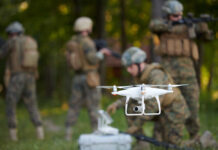
A key accelerant for online fear was an FBI memo circulated to a Joint Terrorism Task Force describing unverified intelligence about an Iranian “aspiration” to conduct a drone attack, potentially launched from a vessel offshore, with California mentioned in coverage. Authorities emphasized the information was not verified and did not amount to an active plot. California officials publicly discussed preparedness steps, including interagency coordination focused on drone risks.
That distinction matters for public judgment and policy. “Unverified intelligence” can be a real warning sign, but it is not proof of capability, intent, or imminent execution. The gap between “aspiration” and “operational plan” is where conspiracy theories often rush in—filling uncertainty with certainty. A responsible takeaway is twofold: the memo should sharpen readiness and intelligence work, while claims of guaranteed drone strikes should be treated as speculation unless corroborated.
Iran’s Track Record: Asymmetric Retaliation and Delayed Timing
Expert analysis points to Iran’s preference for asymmetric tools—proxies, covert plots, and cyber operations—especially when confronting a stronger military. Past cases cited in reporting include plots and intimidation efforts targeting dissidents and U.S.-linked individuals, as well as earlier cyber campaigns attributed to Iranian actors. Analysts also note retaliation can come late, not immediately, meaning the public should not confuse a quiet week with a closed file on risk.
At the same time, the research available here underscores a limitation: officials and reporting repeatedly describe the likelihood of large-scale physical attacks on U.S. soil as low, and no confirmed homeland attack plot has been presented in the referenced materials. That’s the factual middle ground many Americans are searching for—neither denial nor doomscrolling. Preparedness is rational; panic narratives are not supported by the documented claims.
What This Means for Homeland Security—and for Public Trust
Heightened alerts create a familiar tension: the public wants transparency, but publicizing partial intelligence can fuel misinformation and political theatrics. Under President Trump’s administration, the practical governing challenge is maintaining readiness without slipping into the kind of permanent, open-ended emergency posture voters rejected in other contexts—whether that’s excessive surveillance, bureaucratic mission creep, or restrictions that collide with constitutional norms.
What’s clearly supported by the research is a targeted posture: harden cyber defenses, coordinate drone detection and response capabilities, and keep investigative focus on credible leads rather than viral rumors. Americans frustrated by years of institutional failure—from border chaos to politicized enforcement—have every reason to demand competence and clarity. On Iran, the facts argue for vigilance rooted in verified intelligence, not click-driven catastrophe stories.
Limited data remains a constraint: the provided materials summarize warnings and expert perspective through March 13, 2026, and do not document any confirmed Iran-directed attack on U.S. soil during that window. As the situation evolves, the key benchmark to watch is whether agencies move from broad caution to specific, corroborated threat information—because that is where policy, security, and civil liberties decisions become most consequential.
Sources:
Department of Homeland Security warns of potential attacks in wake of Iran strikes
Iran and Terrorism: What the U.S. Strikes Could Mean for Homeland Security
California could be attacked by drones because of Iran war, memo warns