A viral “Army sniper” clip is colliding with a century-old war story to revive an uncomfortable question many Americans still ask: who decides our wars—and who pays the human price?
Quick Take
- A YouTube short titled “Army Sniper Questions Why We Went to War” appears to echo a long-running anti-war theme, but the clip’s availability and context are limited.
- Liam O’Flaherty’s 1923 short story “The Sniper,” set in Ireland’s civil war, dramatizes how political conflict can turn literal brothers into enemies.
- Veteran interviews in the research highlight a recurring critique: public narratives often reduce war to simple “good vs. evil,” masking complexity and long-term trauma.
- A U.S. military feature emphasizes snipers’ operational value, while underscoring the isolated nature of the role that can intensify psychological strain.
What the Viral “Sniper” Question Taps Into
Online clips and interviews have recently circulated under variations of “Army Sniper Questions Why We Went to War,” reflecting a familiar post-9/11-era unease about open-ended conflicts and shifting objectives. The available research does not provide verifiable details about the short’s full context, and one referenced short is described as unavailable. Even so, the framing resonates because it aims at accountability: not whether soldiers did their jobs, but whether leaders told the public the truth about why wars began and how they would end.
That distinction matters in a country where many voters—right and left—feel the federal government protects insiders first. Conservatives who backed “America First” priorities often argue that elite institutions overuse force abroad while neglecting borders, infrastructure, and affordability at home. Liberals who opposed interventionism often point to civilian harm and long-term trauma. Different politics, similar suspicion: the people making decisions rarely face the consequences that the troops and working families do.
A 1923 Story That Still Lands: “The Sniper” and Civil War Reality
Liam O’Flaherty’s “The Sniper” remains a stark primer on what civil conflict does to moral judgment. Set during the Irish Civil War, the story follows a Republican sniper on a rooftop near O’Connell Bridge in Dublin. He kills an enemy sniper after a tense duel, along with an armored car gunner and an elderly woman portrayed as an informant. After the fight, remorse replaces adrenaline, and the story ends with the sniper discovering the man he shot was his own brother.
The historical backdrop helps explain why the plot hits so hard. The Irish Civil War erupted after the Anglo-Irish Treaty split Irish nationalists into Republicans opposed to the treaty and Free Staters who accepted it. The research notes Dublin saw intense urban fighting and that sniping was common; it also cites roughly 1,500 deaths in the conflict, with many attributed to sniper fire. O’Flaherty’s twist—fratricide—compresses a national rupture into one unbearable moment of recognition.
From “Bad Guys” Narratives to Long-Term Scars
Modern veteran commentary referenced in the research aligns with the story’s underlying warning: war is rarely as simple as it is sold. The materials describe a former Army Ranger sniper, Nicholas Irving, criticizing how wars can be marketed as “bad guys” versus “us,” while ignoring enemies’ perspectives and the messy political drivers underneath. The research also notes accounts of IED losses and PTSD, emphasizing that the aftereffects often outlast any headline or mission statement that justified deployment.
For readers who believe government routinely fails ordinary citizens, that theme is politically combustible. Skepticism is not the same as hostility toward the military; in fact, it can reflect respect for service members by demanding clarity before committing them to lethal force. When public trust is low—after years of inflation fights, border disputes, and institutional scandals—claims about foreign threats meet tougher scrutiny. The common demand is basic: honest objectives, measurable endpoints, and leaders who treat troops as citizens, not tools.
What the Military Says Snipers Do—and Why the Role Is Isolating
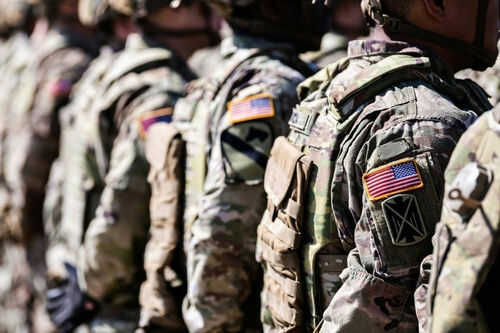
The research also includes a military feature describing snipers as crucial for overwatch and protection—an argument that highlights tactical necessity rather than politics. That perspective helps balance the conversation: even critics of specific wars can acknowledge that, once ordered into combat, units still need capabilities that reduce friendly casualties and improve battlefield awareness. At the same time, the research emphasizes the sniper’s distinctive isolation, a factor that can intensify the psychological burden of taking life at distance.
Army Sniper Questions Why We Went to War https://t.co/0QrwONGEtk via @YouTube
— TrumpIsBack-BasketMargie (@mfirebrand1) April 28, 2026
The unresolved tension is the point of why this topic keeps resurfacing. “The Sniper” shows how ideology can narrow a person’s world until family becomes target. Veteran critiques described in the research show how political storytelling can narrow a nation’s world until every conflict looks inevitable. In 2026, with Washington still distrusted by millions across the spectrum, the public appetite is growing for fewer slogans, more accountability, and a sober respect for the costs that never appear in a campaign ad.
Sources:
theyve-got-your-back-a-snipers-role-is-crucial