
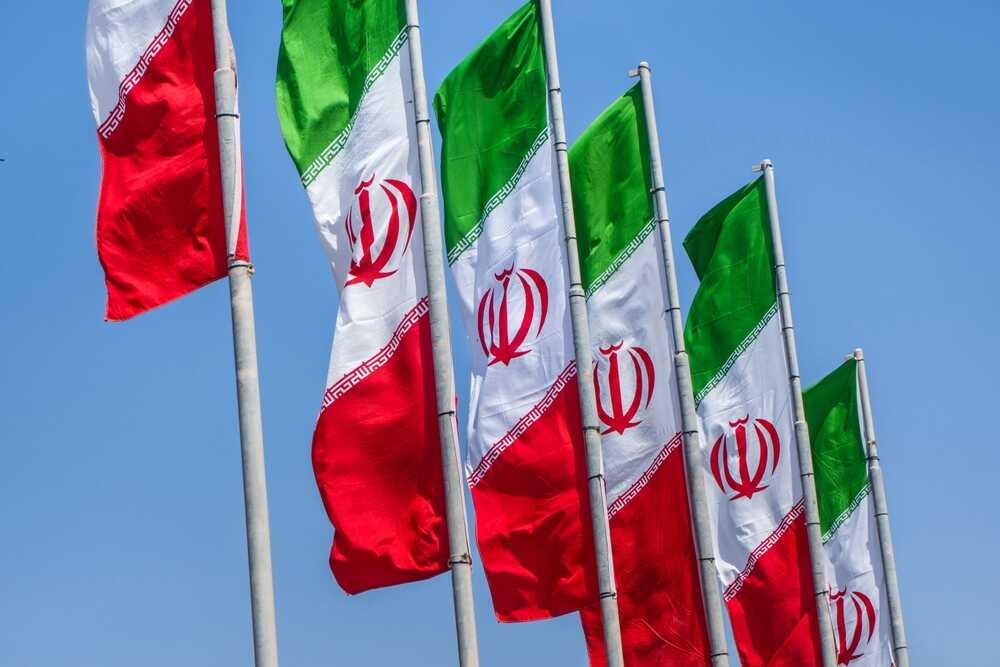
Iran, despite doubling its weapons-grade uranium stockpile and defying international nuclear inspectors, has been handed a leadership position on the very UN panel tasked with preventing nuclear weapons proliferation.
Story Snapshot
- UN member nations elected Iran as vice president of the Nuclear Non-Proliferation Treaty review conference in late 2025
- IAEA declared Iran non-compliant in May 2025, reporting enriched uranium stockpile sufficient for 10 nuclear weapons
- Iran enriches uranium to 60% purity—just steps away from weapons-grade 90%—while blocking inspectors from key sites
- The appointment undermines global non-proliferation efforts and rewards a regime that has systematically violated international agreements
Iran’s Nuclear Escalation Defies International Oversight
The International Atomic Energy Agency issued damning reports in May 2025 finding Iran in non-compliance with nuclear safeguards obligations. The agency documented that Iran’s stockpile of uranium enriched to 60% had doubled since August 2024, now totaling enough material for approximately 10 nuclear weapons if further enriched to weapons-grade levels. Iran continues to enrich uranium far beyond levels needed for peaceful energy production, while simultaneously refusing IAEA inspectors access to critical facilities including Fordow, Natanz, and Isfahan enrichment sites.
Decades of Violations Precede UN Appointment
Iran signed the Nuclear Non-Proliferation Treaty in 1970 but pursued a covert nuclear weapons program until 2003, conducting undeclared uranium enrichment activities and warhead studies. Since 2018, IAEA investigations confirmed violations at multiple sites, including unauthorized uranium metal production. After the 2018 U.S. withdrawal from the Joint Comprehensive Plan of Action, Iran suspended the Additional Protocol in February 2021 and systematically breached all JCPOA limits. The regime has also tested nuclear-capable ballistic missiles in defiance of UN Security Council resolutions, further demonstrating contempt for international non-proliferation norms.
Rewarding Bad Actors Undermines Global Security
The decision to grant Iran a vice presidency position represents the latest example of international institutions failing to hold rogue actors accountable. While this isn’t the first time Iran has held such a position—it was unanimously elected in 2022 despite ongoing compliance issues—the 2025 appointment follows an official IAEA non-compliance declaration, making it particularly egregious. France, Germany, and the United Kingdom have threatened to reimpose snapback sanctions by October 2025 if Iran doesn’t restore cooperation with inspectors. However, diplomatic pressure has proven ineffective as Iran continues leveraging UN voting blocs against Western concerns while Russia and China dilute consensus.
Regional and Global Implications Escalate
Iran’s nuclear hedging strategy—maintaining breakout capacity without actually assembling weapons—creates severe regional instability. The regime transfers ballistic missile technology to proxy forces including Houthi militants in Yemen, while nations like Israel and Gulf states view Iran’s advancing capabilities as existential threats. Experts warn that Iran’s position weakens the entire NPT regime and could encourage nuclear hedging by other Middle Eastern nations, particularly Saudi Arabia. Supreme Leader Khamenei’s advisers have indicated that while no decision to build nuclear weapons has been made, regime doctrine could shift if Iran perceives sufficient threats, creating a hair-trigger scenario for weapons development.
Government Dysfunction on Full Display
This appointment exemplifies how international bodies prioritize political theater over protecting citizens from genuine threats. Ordinary Americans watching Iran—a regime that chants “Death to America” while enriching weapons-grade uranium—gain authority over nuclear non-proliferation rightly question whether these institutions serve any meaningful purpose. The episode reveals how elites in global governance structures operate disconnected from common-sense principles, rewarding the very actors undermining international security. While Western nations issue statements and threaten sanctions that never materialize, Iran continues advancing toward nuclear weapons capability with impunity, demonstrating that diplomatic failures have real consequences for global stability and American security interests.
Sources:
Arms Control and Proliferation Profile: Iran – Arms Control Association
Iran Wins Seat on UN Nuclear Nonproliferation Panel – Washington Stand
Iran Must Comply with Its Non-Proliferation Obligations – France ONU
Iran and the Changing Character of the Nonproliferation Regime – CSIS
Iran Profile – Nuclear Threat Initiative