Seven bodies dumped just yards from a state border are a grim reminder of what happens when government control weakens and criminals learn to work the seams.
Story Snapshot
- Seven bodies—five men and two women—were found in Mesillas, Tepezalá, Aguascalientes, near the Zacatecas border, after local residents made the discovery.
- Authorities said the site did not appear to be the crime scene, strengthening the theory that the victims were killed elsewhere and transported for dumping.
- State and federal forces secured the area, moved the bodies to the morgue for forensic work, and began reviewing C5 surveillance footage.
- Key details about injuries vary across reports; officials have not publicly identified victims or announced arrests as investigations continue.
What happened near Mesillas, Tepezalá
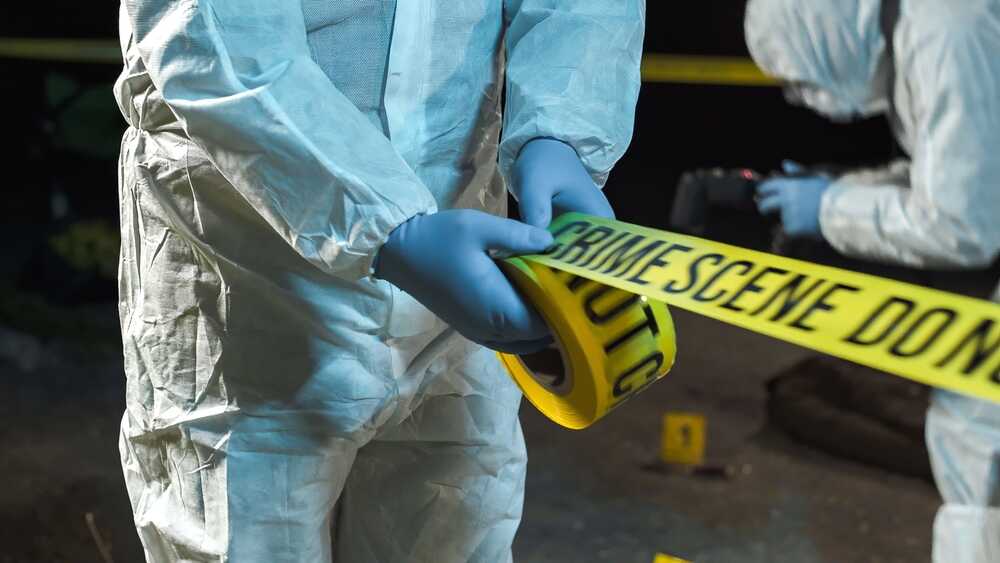
Residents in the community of Mesillas, in the Tepezalá municipality of Aguascalientes, discovered seven bodies abandoned along the state’s border area with Zacatecas. Multiple outlets reported the victims included five men and two women, found roughly 0.5 to 1.5 kilometers from the Zacatecas line near the municipality of Luis Moya. Police responded alongside Mexico’s Guardia Nacional, securing the scene and beginning a forensic recovery.
Investigators from the Fiscalía General del Estado de Aguascalientes took lead responsibility and transferred the bodies to SEMEFO for autopsies and identification work. Reporting indicates authorities looked for physical evidence at the location and found little that suggested an attack occurred there. That absence matters because border-adjacent dumping sites can complicate jurisdiction, slow witness development, and blur which state’s criminal networks, missing-person cases, or prior incidents might be connected.
Why investigators think the bodies were moved
Officials indicated the area where the bodies were found did not present clear indicators of a crime scene, leading to a working theory that the victims were killed somewhere else and transported to Tepezalá. That conclusion is consistent with how organized crime groups use rural roads and state lines to reduce detection risk. When a dump site is chosen for convenience rather than proximity, it often signals a deliberate effort to confuse timelines and law-enforcement handoffs.
Details about the victims’ injuries have not been uniformly described across outlets. Some accounts mention gunshot wounds, torture marks, and other signs of severe violence, while more sensational elements—such as decapitation—appear in some coverage without clear confirmation from an official public statement. The most reliable takeaway from the reporting is narrower: authorities confirmed a multi-victim homicide event and are treating the dump site as a secondary location while forensic examinations proceed.
What authorities are doing now—and what’s still unknown
State authorities, supported by the Guardia Nacional, maintained control of the area during evidence collection and recovery, then shifted the case toward identification and route reconstruction. News reports say investigators are examining video feeds from the C5 surveillance system to establish vehicle movements and potential transport routes. As of May 1–2 reporting, no victim identities had been publicly released, no motive was confirmed, and no arrests were announced.
What this signals about border corridors and public trust
The Aguascalientes–Zacatecas corridor sits near highways that can make movement between jurisdictions fast, especially through low-population areas. When bodies appear near a border, the bigger issue is not only the crime itself, but the operational confidence it suggests—criminals betting they can exploit gaps between agencies and overwhelm investigative capacity. For ordinary families, that feeds a familiar frustration across ideologies: institutions promise security, yet communities still bear the cost when order breaks down.
With limited official detail released so far, the case remains primarily a test of basic governance: identifying victims quickly, coordinating across state lines, and demonstrating consequences for perpetrators. Conservatives tend to emphasize law-and-order and competent public administration; liberals often emphasize public safety and accountability. Those priorities overlap more than politics admits. If authorities cannot close cases like this with transparent results, skepticism toward “elites” and entrenched systems will keep growing, regardless of party labels.
Sources:
Hallan siete cuerpos en Aguascalientes; víctimas serían de Zacatecas
Autoridades investigan el hallazgo de 7 cadáveres en una carretera de Aguascalientes
Hallan siete cadáveres en los límites de Ags con Zacatecas
Encuentran 7 cuerpos en límite entre Zacatecas y Aguascalientes
Encuentran siete cuerpos en Aguascalientes; autoridades investigan el caso