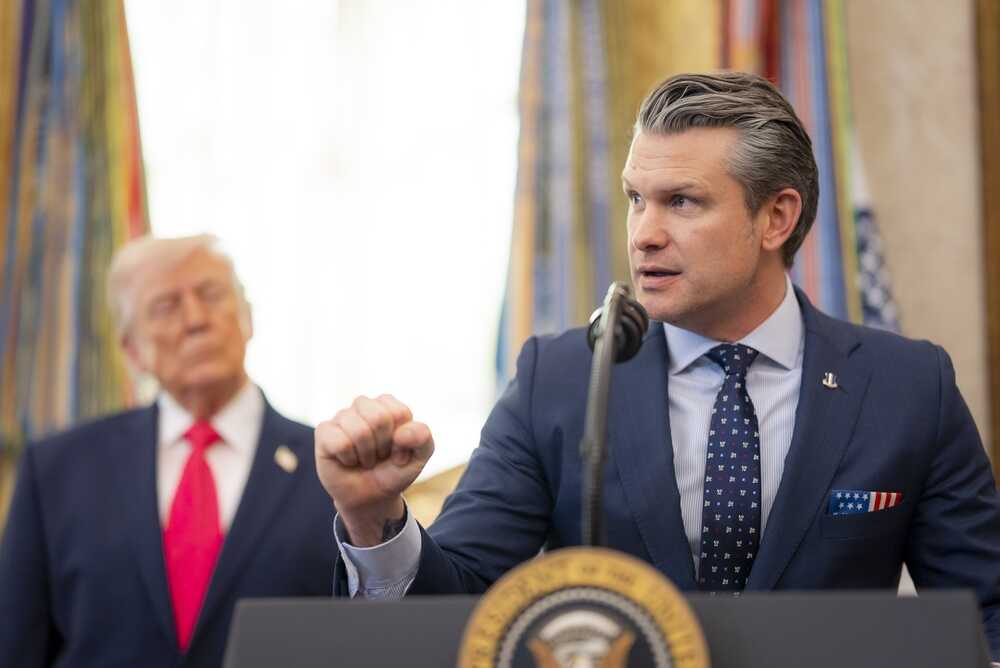
Defense Secretary Pete Hegseth has ordered the withdrawal of 5,000 American troops from Germany after the NATO ally’s chancellor publicly humiliated the United States over its Iran war strategy, exposing dangerous cracks in the alliance while Americans fight overseas.
Story Snapshot
- Pentagon confirms withdrawal of 5,000 troops from Germany over 6-12 months, reducing presence from 38,000 to 33,000
- Decision follows German Chancellor Friedrich Merz’s public criticism that US has “no strategy” on Iran and is being “humiliated” by negotiators
- Trump threatened troop reductions after ally’s remarks, marking another NATO burden-sharing confrontation
- Withdrawal includes one brigade combat team but spares critical medical facilities like Landstuhl Regional Medical Center
- Move reverts US force levels to pre-2022 posture before Russia’s Ukraine invasion prompted European buildup
Pentagon Announces European Force Reduction
Pentagon spokesperson Sean Parnell announced May 1, 2026 that Defense Secretary Pete Hegseth ordered approximately 5,000 US troops to withdraw from Germany within 6-12 months. The decision reduces America’s largest European deployment from 38,000 to 33,000 personnel. Parnell framed the order as stemming from a “thorough review” of force posture recognizing “theater requirements and conditions on the ground.” The withdrawal includes one brigade combat team but will not affect medical facilities. Germany currently hosts US European Command and Africa Command headquarters, representing America’s most substantial military presence on the continent built over decades of NATO partnership.
German Chancellor’s Criticism Sparks Diplomatic Rift
The troop reduction follows a public confrontation between President Trump and German Chancellor Friedrich Merz over US strategy in the ongoing war with Iran. Merz stated earlier in the week that America has “no strategy” regarding Iran and is being “humiliated” by negotiators, comments that immediately drew Trump’s ire. Trump publicly threatened to study troop reductions in response to what Parnell characterized as frustration with “German rhetoric.” The episode recalls longstanding Trump administration complaints about NATO allies failing to meet defense spending commitments while simultaneously criticizing American leadership. For Americans watching their military engaged in active combat operations in the Middle East, having a key European ally publicly undermine US strategy raises serious questions about alliance reliability and whether these partnerships serve American interests.
Historical Pattern of NATO Burden-Sharing Disputes
This withdrawal marks the second significant Trump-era reduction of forces in Germany. In 2020, Trump ordered withdrawal of 12,000 troops over Germany’s failure to meet NATO defense spending targets, with 9,500 personnel ultimately relocated before Biden partially reversed the decision. Russia’s 2022 invasion of Ukraine prompted renewed American military buildup across Europe, expanding the German footprint back to 38,000 troops. The current reduction returns force levels to pre-Ukraine invasion posture, raising concerns about deterrence gaps against Russian aggression while simultaneously managing the Iran conflict. Unlike previous proposals focused purely on burden-sharing economics, this decision explicitly ties military posture to ally behavior during active hostilities, establishing a precedent that public criticism carries operational consequences.
Strategic and Economic Implications for Both Nations
The withdrawal affects roughly 5,000 American service members and their families while imposing economic costs on German communities surrounding US bases. Previous drawdowns suggest Germany could lose between two and three billion dollars in annual economic activity from reduced American military spending. Pentagon officials have not disclosed whether withdrawn forces will redeploy to other European locations such as Poland or Eastern Europe, leaving questions about overall NATO defensive posture unanswered. Defense experts cited in reports question the strategic wisdom of reducing presence in Germany’s critical logistics infrastructure during simultaneous conflicts in Ukraine and Iran. However, from a perspective valuing ally accountability, the message seems clear: nations cannot expect American military protection while publicly undermining American strategy and refusing to meet their own defense commitments, particularly when American troops face combat operations.
Sources:
Politico – Hegseth orders withdrawal of US troops from Germany
Breaking Defense – Hegseth orders 5,000 US troops to withdraw from Germany
Digital Journal – US to withdraw about 5,000 troops from Germany
ABC News – US to withdraw 5,000 troops from Germany
Irish Times – US orders withdrawal of 5,000 troops from Germany