
As Ebola spreads rapidly through eastern Congo, American officials insist the risk here is “low” even as they quietly roll out travel restrictions and emergency protocols.
Story Snapshot
- World Health Organization and U.S. health officials describe an expanding Ebola Bundibugyo outbreak in eastern Congo and Uganda.
- Hundreds of suspected cases and more than a hundred suspected deaths show the situation is far from contained.
- The strain driving this outbreak has no licensed vaccine or approved targeted treatment, raising stakes for border security.
- President Trump’s administration has activated screening and entry restrictions to keep Ebola out of the United States.
Eastern Congo Outbreak Shows How Fast A Local Crisis Can Become Global
World Health Organization leaders have now officially labeled the Ebola Bundibugyo outbreak in the Democratic Republic of the Congo and Uganda a Public Health Emergency of International Concern, the highest alert in global health. As of mid‑May, World Health Organization data show eight laboratory‑confirmed cases alongside 246 suspected cases and 80 suspected deaths in Ituri Province alone, underscoring how quickly the virus is moving in one of the world’s most unstable regions. This is not a tidy, contained flare‑up.
The United States Centers for Disease Control and Prevention (CDC) reports that as of May 20, authorities in Congo and Uganda are tracking 536 suspected cases, 105 probable cases, 34 confirmed cases, and 134 suspected deaths linked to this outbreak.[4] In just the previous 24 to 48 hours, officials identified 26 new confirmed infections and 143 new suspected cases, with spread documented across 11 health zones in Congo’s Ituri and Nord‑Kivu provinces and into neighboring Uganda.[4] Those numbers make clear that transmission is still active and growing, not winding down.
Bundibugyo Strain Raises Stakes For Border Security And U.S. Preparedness
Health authorities are especially concerned because this epidemic is driven by the Bundibugyo strain of Ebola, a less common species for which there is currently no licensed vaccine or approved targeted treatment, unlike the tools used in earlier Zaire‑strain outbreaks.[4][7] That means controlling spread depends on basic but labor‑intensive work: finding cases quickly, isolating patients, tracing and monitoring contacts, and protecting frontline health workers. In a conflict‑torn region with heavy population movement, that is a real challenge, and it increases pressure on international border defenses.
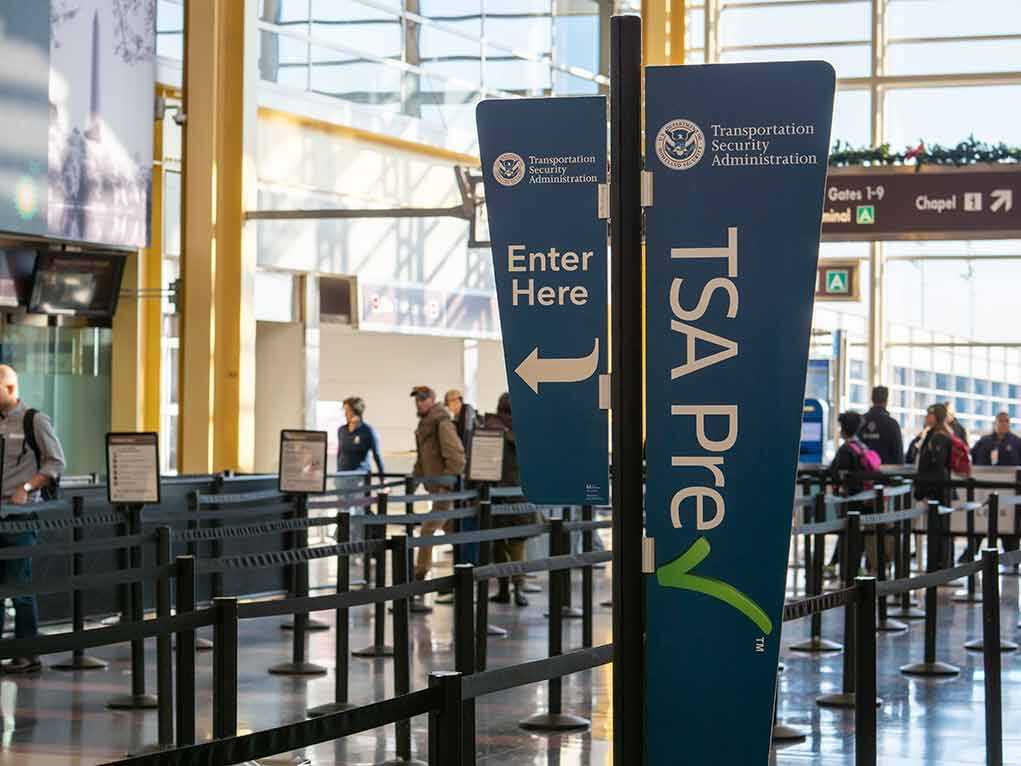
Despite the escalating numbers overseas, CDC still assesses the overall risk to the American public as low, but that judgment comes with a clear caveat: it depends on strong containment abroad and tight screening at our own borders.[4] On May 18, CDC and the Department of Homeland Security implemented enhanced travel screening, entry restrictions, and other public‑health measures to prevent Ebola Bundibugyo from entering the United States.[4] Federal guidance now urges Americans to avoid nonessential travel to Ituri and Nord‑Kivu and to monitor for symptoms for twenty‑one days after leaving those provinces, aligning with a more cautious, America‑first posture.[2][4]
U.S. Response Under Trump Highlights Contrast With Past Globalist Posture
CDC reports that an American health worker exposed while caring for patients in Congo recently tested positive for Ebola Bundibugyo disease, proving the outbreak is already generating export risk despite precautions.[4] That case underlines why travel rules and rapid isolation are not optional. Current CDC alerts instruct clinicians in the United States to immediately isolate and hospitalize any patient with relevant travel or exposure history who develops compatible symptoms, and to repeat testing when early results could miss an infection.[2][4] This is the kind of aggressive, no‑nonsense protocol many conservatives demanded during past administrations.
For readers who remember the muddled messaging during earlier Ebola scares, today’s approach looks more aligned with common sense. CDC and the Department of Homeland Security have moved toward proactive airport screening, traveler monitoring, and hospital readiness rather than waiting for international bodies to set the pace.[2][4] At the same time, World Health Organization officials are “rapidly scaling up support” to Congo’s government, deploying personnel, supplies, and emergency funds to the region.[1] That international effort matters, but Americans know our first responsibility is to keep the virus from crossing our own border, regardless of how global institutions spin the risk.
Hard Lessons From Past Congo Outbreaks And Why Vigilance Matters Now
History in eastern Congo shows why this situation deserves close tracking, even if officials say the immediate risk to Americans is low. A major Ebola epidemic there from 2018 to 2020 produced 3,470 reported cases and 2,280 deaths, despite the availability of an effective vaccine against the Zaire strain and extensive international involvement.[6] Researchers later described that epidemic as “uncontrolled” for long stretches, citing persistent gaps in case finding, isolation, contact tracing, and safe burials in a conflict zone.[3][6] Those structural weaknesses have not vanished.
OPINION | The World Health Organization’s decision to classify the Ebola outbreak in eastern Congo as an international public health emergency is not merely a medical alert. It is a reminder that epidemics in fragile states are no longer local tragedies. In an age of migration,…
— The Statesman (@TheStatesmanLtd) May 21, 2026
Today’s Bundibugyo outbreak combines those same regional challenges with the added problem of having no licensed vaccine ready to deploy against this particular strain.[7] European and international agencies warn that hundreds of thousands of people are at immediate or extended risk if response operations falter.[6] For Americans, the lesson is simple: we cannot outsource our safety to global bureaucracies or assume that far‑off crises will stay far away. Careful screening, firm travel rules, and an unapologetic focus on protecting our citizens are essential to preventing another global health scare from landing on our doorstep.
Sources:
[1] Web – Democratic Republic of the Congo confirms new Ebola outbreak …
[2] Web – Ebola Disease Outbreak in the Democratic Republic of the Congo …
[3] Web – Ebola Virus in the Democratic Republic of the Congo – PMC – NIH
[4] Web – Ebola Disease: Current Situation – CDC
[6] Web – Kivu Ebola epidemic – Wikipedia
[7] Web – The Democratic Republic of the Congo Ebola Outbreak