Qatar’s warning that “no Gulf state is safe” after Israeli strikes on Doha exposes a dangerous new phase of Middle East conflict that threatens America’s strategic allies and energy security.
Story Snapshot
- Qatar declares entire Gulf region vulnerable following Israeli strikes on its capital
- Trump administration faces immediate foreign policy crisis as Secretary Rubio visits Israel
- Gulf state tensions threaten vital U.S. energy partnerships and military bases
- Regional escalation risks drawing America into broader Middle East conflict
Qatar Issues Regional Security Warning
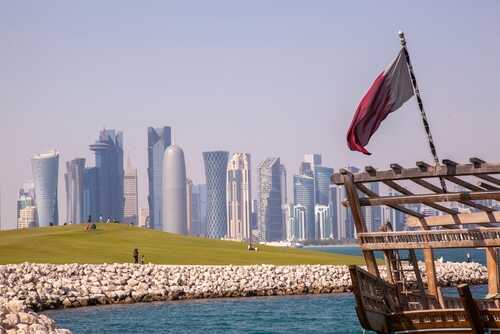
Qatar’s government delivered a stark warning that no Gulf state remains secure following recent Israeli strikes on Doha. The unprecedented attack on Qatar’s capital represents a dramatic escalation in regional tensions, with Qatari officials declaring the strikes demonstrate how quickly conflicts can spread across the Persian Gulf. This development threatens the stability of America’s key allies in a region critical to global energy supplies and U.S. military operations.
Watch: ‘Gulf region at risk’: Qatar seeks ‘collective response’ to Israeli attack
Trump Administration Responds to Crisis
Secretary of State Marco Rubio arrived in Israel as the Trump administration scrambles to address the rapidly deteriorating situation. Rubio’s emergency visit comes as President Trump faces his first major foreign policy test, with the strikes occurring just days after Qatar’s Prime Minister dined with Trump’s team. The timing underscores how quickly Middle East dynamics can shift, forcing American leaders to navigate between supporting Israel while maintaining crucial Gulf partnerships that serve U.S. strategic interests.
Strategic Implications for American Interests
The escalation threatens fundamental U.S. interests in the Gulf region, where America maintains military bases and relies on stable energy partnerships. Qatar hosts the largest U.S. military base in the Middle East at Al Udeid, making the country’s security directly tied to American defense capabilities. The strikes risk triggering a broader regional conflict that could disrupt global energy markets, increase oil prices for American consumers, and force costly military interventions that drain taxpayer resources.
Regional Powers React to Escalation
Russia has issued warnings to both Israel and the United States following the Qatar strikes, signaling how regional conflicts can quickly involve global powers. The involvement of external actors like Russia demonstrates the complex geopolitical landscape President Trump must navigate.
The Qatar crisis tests whether the Trump administration can effectively manage Middle East tensions while protecting American strategic interests and avoiding the costly foreign entanglements that have historically drained resources from domestic priorities like border security and economic growth.
Sources: