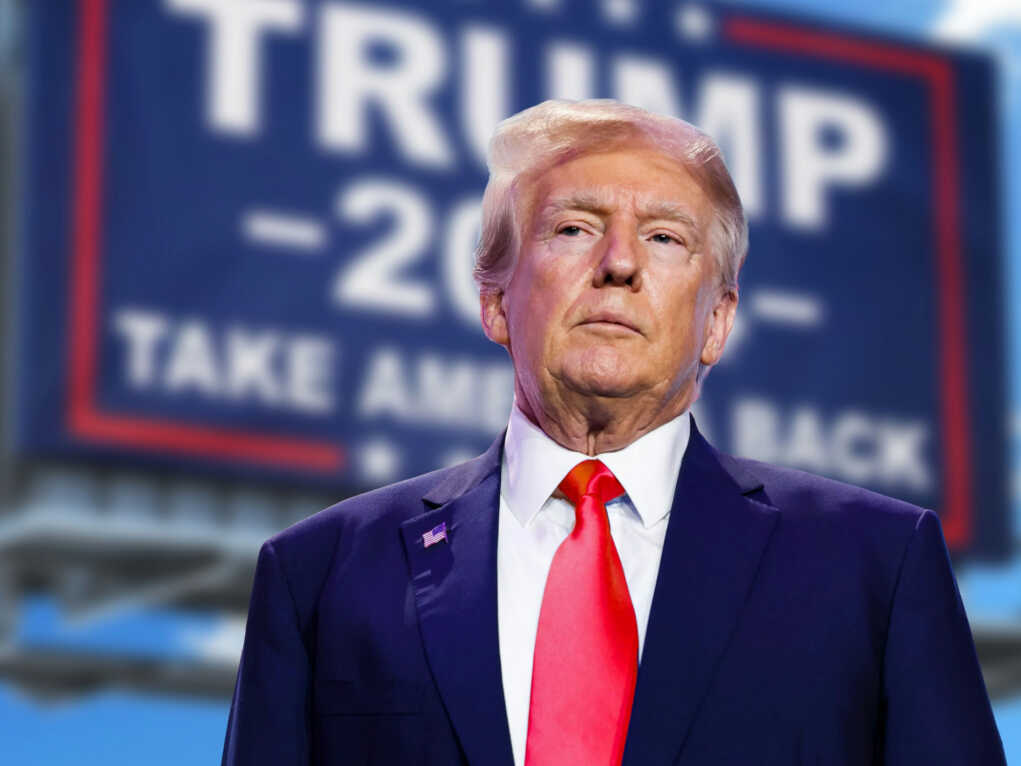
A 60-day U.S.–Iran ceasefire extension hinges on President Trump’s approval, raising tough questions about nuclear limits, sanctions leverage, and control of the Strait of Hormuz.
Story Highlights
- Reports describe a 60-day memorandum of understanding that keeps the ceasefire alive while talks continue [1][2]
- Iranian voices call it a nonbinding framework, not a final deal, with key disputes unresolved [3]
- Nuclear restrictions and sanctions relief would be negotiated and verified before any implementation [1][2]
- Maritime control and “free passage” claims face competing interpretations from Tehran and Washington [2][3]
What the Reported Framework Actually Does
Reports from The Soufan Center and Axios say U.S. and Iranian negotiators are close to finalizing a memorandum of understanding that extends the current ceasefire for roughly 60 days while diplomacy proceeds [1][2]. The arrangement functions as a breathing space, not a final settlement, allowing both sides to keep talking without locking in permanent concessions. That structure positions President Trump to weigh verifiable limits before any U.S. commitments, aligning with the administration’s stated priority that Iran must never obtain a nuclear weapon [1][2].
Axios reporting adds that discussion points include reopening shipping through the Strait of Hormuz under defined conditions during the 60-day window, alongside negotiations on nuclear restrictions and de-escalation steps [2]. However, these accounts also caution that details were still fluid and susceptible to collapse at the time of publication, underscoring that no side has produced a signed text. The emphasis on a time-limited ceasefire with a negotiation runway reflects a classic interim framework designed to cap escalation while testing whether verifiable terms are reachable [1][2].
Iran’s Stance: Framework, Not Finality
An Al Jazeera segment featuring Iranian-aligned analysis characterizes the draft as a time-buying ceasefire, not a binding peace accord, with significant gaps left for later talks [3]. Commentators cited by the broadcast say Tehran expects to continue managing the Strait of Hormuz and rejects any U.S. reading that implies immediate, unrestricted “free passage” absent clearly defined terms [3]. This framing challenges public narratives that treat maritime questions as settled and signals that Iran is guarding leverage until sequencing and verification are spelled out in writing [3].
The same discussion stresses that core nuclear provisions remain to be negotiated, tracked, and verified before any sanctions relief takes effect [3]. That view aligns with The Soufan Center’s description that sanctions easing and asset unfreezing would be contingent on a final, verifiable agreement rather than automatic steps under the interim window [1]. Practically, this keeps maximum economic pressure available as leverage, while offering carrots only if Iran accepts concrete, inspectable limits—an approach conservatives expect after years of failed trust-me deals [1].
Nuclear Limits and Sanctions: Leverage Before Concessions
The Soufan Center notes the memorandum of understanding does not cement specific nuclear curbs immediately; instead, it creates space to negotiate restrictions and verification that would be embedded in a permanent accord [1]. Axios similarly reports that negotiators discussed Iranian commitments regarding nuclear weapons and enrichment, but presented those elements as part of the talks, not as finalized, enforceable obligations at the interim stage [2]. That sequencing lets Washington test Iran’s willingness to accept hard inspections and caps before delivering any lasting relief [1][2].
🇺🇸🇮🇷 U. S. confirms second strike on Bandar Abbas days after ceasefire; Iran says it hit an American base in responsepic.twitter.com/RKjSnvN9Rd
— U.S.A.I. 🇺🇸 (@researchUSAI) May 28, 2026
For conservatives, this design matters: relief would follow proof, not precede it. The Soufan Center’s account emphasizes that U.S. officials say any sanctions adjustments would occur only after a final deal is reached and verifiably implemented, preventing a repeat of front-loaded giveaways that embolden hostile regimes [1]. Axios underscores the fragility of the process and notes the risk of collapse, reinforcing why keeping leverage intact—and verification front and center—is essential to protect American interests and deter Iranian backsliding [2].
Sources:
[1] YouTube – BREAKING: U.S., Iran extend ceasefire pending President Trump’s …
[2] Web – U.S. and Iran Close in on a Framework Accord – The Soufan Center
[3] Web – Exclusive: What’s inside the Iran deal Trump is close to signing – …