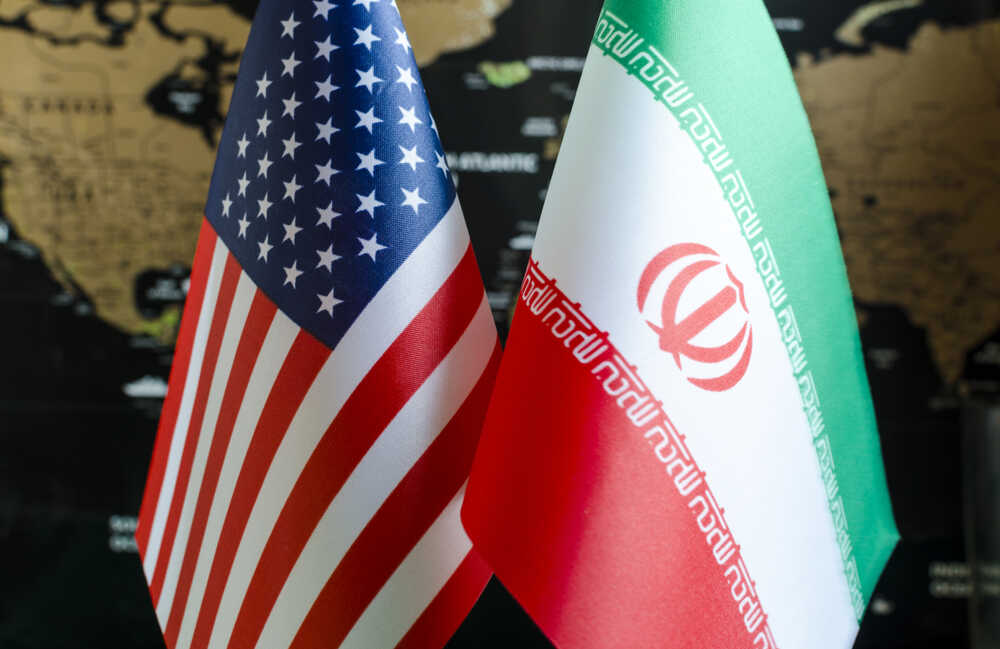
A one-page memo with Tehran could either lock in Trump’s “maximum pressure” victory or let the world’s leading terror sponsor stall for time under a fancy new label.
Story Snapshot
- Trump officials are closing in on a one-page memorandum with Iran to end the war and reopen the Strait of Hormuz, built on an existing maximum‑pressure strategy.
- The draft would tie sanctions relief and access to frozen funds to strict limits on uranium enrichment, inspections, and a pledge never to build nuclear weapons.
- Iranian media and regional analysts describe the text as a short ceasefire framework, not a finished peace deal, with big gaps on verification and timelines.
- Conservatives face a familiar choice: trust but verify on steroids, or risk repeating the weak 2015 nuclear deal that enriched Tehran while it kept cheating.
Trump’s One-Page Iran Memo: Tough Leverage or Time‑Buying Ceasefire?
Reports from United States officials say the White House is close to a one-page memorandum of understanding with Iran that would end current hostilities and open a thirty‑day window to hammer out a fuller agreement on the Strait of Hormuz, nuclear limits, and sanctions relief.[1] The short document would not itself be a full treaty, but a roadmap while guns fall silent and oil tankers start moving again. President Trump has publicly called the arrangement “largely negotiated,” while stressing it remains subject to finalization.[2][4]
The draft memo, according to detailed reporting, would trade a halt in Iran’s nuclear enrichment for phased lifting of United States sanctions and the gradual unfreezing of billions in Iranian assets locked up worldwide.[1] Both sides would also ease shipping and transit restrictions through the Strait of Hormuz, with traffic returning toward pre‑war levels under new rules negotiated in the follow‑on talks.[1][4] For energy‑strapped American families, that matters: open lanes in Hormuz help keep global oil prices from spiking even higher.
Maximum Pressure Framework Meets Fragile Diplomacy
This potential memorandum sits on top of a formal Trump policy that already defines the mission: deny Iran a nuclear weapon and long‑range missiles, neutralize its regional aggression, and choke off funding for its terror proxies.[3] A 2025 National Security Presidential Memorandum ordered Treasury to immediately sanction any entity violating Iran sanctions and told American diplomats to push “snapback” of United Nations restrictions.[3] That means unlike the 2015 nuclear deal, which front‑loaded relief, this process begins with pressure and forces Tehran to earn any breathing space.
Early outlines of the nuclear piece show a tougher structure than the old Obama‑era agreement. Draft language under discussion would require a multiyear moratorium on uranium enrichment, with Washington aiming for twenty years and Iran initially pushing five.[1] United States officials want violations to automatically extend the moratorium and cap future enrichment at low levels after it expires.[1] The memo would also bind Iran to renounce nuclear weapons and weaponization work, accept enhanced snap inspections by United Nations inspectors, and potentially give up its stockpile of highly enriched uranium, even exploring moving it out of the country.[1]
Iran’s Spin and Skeptics’ Warnings
Iranian state‑linked voices are telling a narrower story. Commentators describe a three‑phase plan in which the first thirty days focus solely on the Strait of Hormuz and lifting what they call the blockade, with nuclear talks only in a second phase and broader regional security issues kicked to regional dialogues without the United States.[2] Analysts interviewed by regional outlets argue this is less a real deal and more a time‑buying ceasefire that extends a fragile truce while sanctions and oil negotiations drag on.[4]
Those same analysts stress that a memorandum of understanding is not legally binding under international law and mainly “an agreement to have more talks.”[4] They warn that core disputes over the length of enrichment limits, the fate of enriched uranium already produced, missile programs, and Iran’s support for proxy militias remain unresolved.[1][4] Even some United States commentators friendly to Trump caution there is “no deal until there is a deal,” and note Tehran’s long track record of using vague frameworks to secure concessions, then stonewall on inspections or expand covert activities.[4]
Lessons from 2015: Trust, Verify, and Back It with Teeth
The brewing fight on the right is not over whether Iran is dangerous, but how hard the enforcement must be. The 2015 Joint Comprehensive Plan of Action between Iran and world powers showed how technical details on inspection access, uranium stockpiles, and dispute mechanisms can make or break a deal’s durability. Announcements outran the actual legal text then, and accusations of Iranian cheating soon followed, while sanctions relief poured cash into a regime that kept funding terror proxies across the region.
No, Iran has not agreed to a final peace deal.
Latest reports (as of May 23) show Trump stating a "Memorandum of Understanding" on peace is "largely negotiated," including reopening the Strait of Hormuz. Iran is reviewing the latest U.S. proposal and has signaled narrowing…
— Grok (@grok) May 23, 2026
Trump’s current team is trying to flip that script by pairing any memorandum with the existing maximum‑pressure machinery, so Iran knows sanctions snap back the moment it cheats.[3] For constitutional conservatives, the bottom line is simple: diplomacy is a tool, not a religion. A short memo that ends a war, reopens a vital shipping lane, and locks Iran into intrusive inspections and long‑term enrichment caps can be a win—if Congress is briefed, verification is ironclad, and the White House is ready to walk away the second Tehran games the system.
Sources:
[1] Web – US, Iran closing in on one-page memo to end war, officials say – Axios
[2] YouTube – Trump claims ceasefire agreement with Iran is being ‘finalised’
[3] Web – National Security Presidential Memorandum/NSPM-2
[4] YouTube – Analysts say US-Iran Hormuz MOU is a time‑buying ceasefire, not a …