
Operation Absolute Resolve successfully neutralized Nicolás Maduro, highlighting the prowess of U.S. special forces and strategic planning.
Story Highlights
- Delta Force and 160th SOAR conducted a flawless operation to capture Nicolás Maduro.
- U.S. cyber capabilities and overwhelming air support facilitated the mission’s success.
- Maduro and Cilia Flores faced narcoterrorism charges with no U.S. casualties reported.
- Venezuela’s defenses, despite Russian support, proved ineffective against precision U.S. tactics.
Flawless Execution by U.S. Special Forces
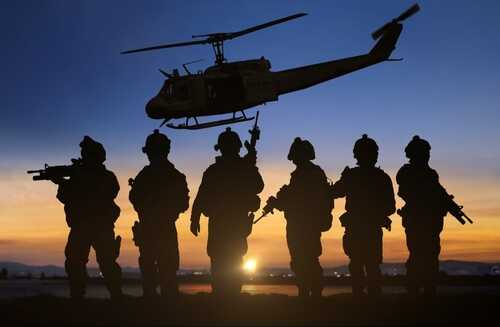
On January 2, 2026, President Trump authorized a high-stakes raid in Caracas led by Delta Force and the 160th Special Operations Aviation Regiment (SOAR). The mission aimed to capture Venezuelan President Nicolás Maduro and his wife, Cilia Flores. Using airstrikes, helicopter insertions, and cyber operations, the U.S. military executed the operation with precision, resulting in the targets’ detention on the USS Iwo Jima without sustaining casualties.
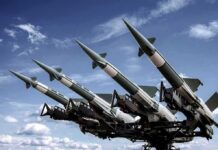
The operation, known as Absolute Resolve, capitalized on months of meticulous planning and intelligence gathering. This strategic approach, paired with superior air support, allowed U.S. forces to neutralize potential threats posed by Venezuelan defenses, despite their Russian-supplied equipment. The cyber blackout in Caracas further ensured the mission proceeded without interference, demonstrating the effective integration of modern warfare tactics.
Watch:
Strategic Implications and Geopolitical Impact
The capture of Nicolás Maduro marks a significant shift in U.S.-Venezuela relations. With Maduro detained and facing narcoterrorism charges, the U.S. has signaled a strong stance against narcoterrorism and authoritarian regimes. The operation also opens pathways for a potential democratic transition in Venezuela, aligning with U.S. interests in regional stability and access to Venezuela’s vast oil reserves.
However, the power vacuum left by Maduro’s capture raises concerns about potential chaos and civil unrest in Venezuela. The U.S.’s interim involvement in Venezuelan governance may stabilize the region but also risks backlash from local and international actors. The geopolitical ramifications include strained relations with Russia and China, who previously supported Maduro’s regime.
Broader Implications for U.S. Military and Energy Markets
The successful raid underscores the capability of U.S. special forces in executing complex operations with minimal risk. It validates the integration of cyber warfare and air dominance in modern military strategy. For the energy sector, opening Venezuela’s oil reserves to U.S. firms could reshape global oil markets, potentially lowering prices and reducing dependency on Middle Eastern oil.
The operation’s success also serves as a precedent for future U.S. interventions targeting indicted leaders, emphasizing a commitment to uphold justice and international law. As the situation unfolds, the world will watch closely to see how the U.S. navigates the transition in Venezuela and its long-term strategic interests in the region.
Sources:
Delta Force soldiers carried out raid to capture Maduro
Assessing Venezuela’s Future After Nicolás Maduro’s Bold Capture