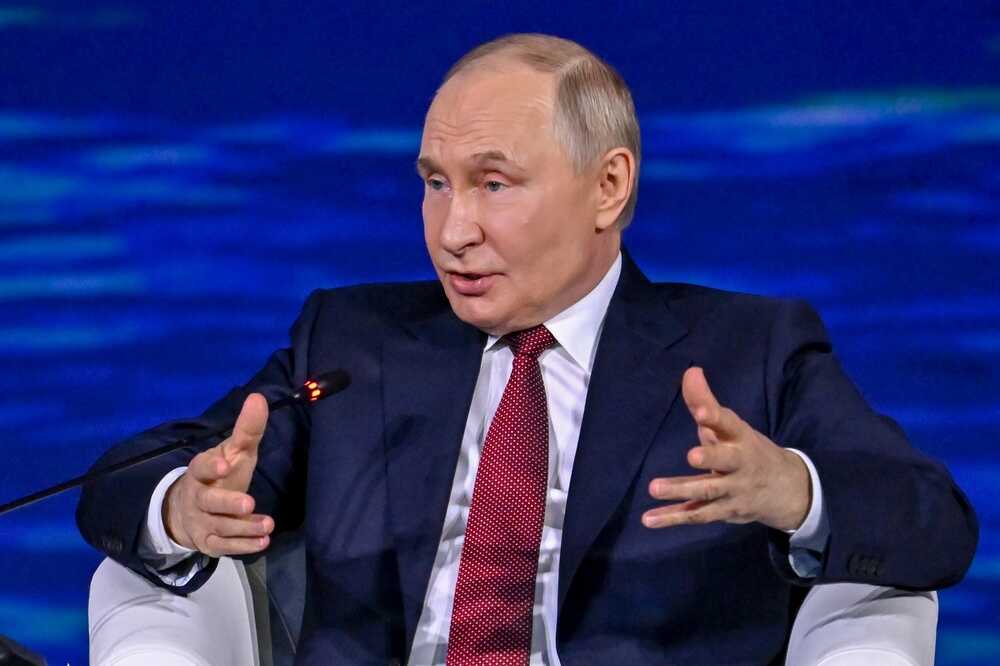
As American families brace for another Middle East blowup, Russia and Saudi Arabia are positioning themselves as the “stabilizers” of a crisis Washington is now tied to under Trump’s second term.
Story Snapshot
- Vladimir Putin and Saudi Crown Prince Mohammed bin Salman spoke April 2, urging an end to hostilities and warning about civilian casualties and infrastructure destruction.
- The Kremlin readout emphasized intensified diplomacy and a settlement “respecting all parties’ interests,” signaling Russia’s bid to act as a key broker.
- The leaders highlighted OPEC+ coordination to steady oil markets as disruptions and chokepoint risks threaten supply and prices.
- The call underscored how energy security and war-risk premiums can hit U.S. consumers quickly, sharpening conservative backlash against endless foreign entanglements.
Putin and MBS Signal De-escalation as War Risk Spreads
Russian President Vladimir Putin and Saudi Crown Prince Mohammed bin Salman held a phone call on Thursday, April 2, according to Kremlin reporting carried by multiple outlets. The leaders focused on the “deteriorating” military-political situation in the Middle East, highlighting civilian casualties and damage to strategic infrastructure. Both called for a swift end to hostilities and urged more diplomatic engagement aimed at a longer-term resolution that accounts for the interests of all sides involved.
The exchange matters because it places Moscow and Riyadh—two heavyweight oil producers with an established OPEC+ partnership—squarely in the lane of crisis management while U.S. policy is viewed through the lens of an escalating Iran-linked regional conflict. Conservative voters watching this unfold are split: some back strong alignment with Israel, while others see a familiar drift toward open-ended involvement that contradicts the promise to avoid new wars and prioritize American interests at home.
Oil, the Strait of Hormuz, and Why the Home Front Feels It First
Reports tied to the call and related analysis framed the conflict’s risk to energy production and transport as a core concern, not a side issue. When war threatens routes and infrastructure, oil prices often move on fear as much as on barrels lost. The research notes chokepoint anxiety around the Strait of Hormuz and highlights that Saudi crude can be rerouted via Red Sea infrastructure such as the port of Yanbu to reduce exposure if maritime risks rise.
Putin and bin Salman also stressed ongoing coordination through OPEC+, the mechanism Russia and Saudi Arabia have used since 2016 to manage output and influence global price stability. That emphasis is a reminder that energy security is not just “over there.” For Americans already angry about high costs and policy-driven constraints, another Mideast shock that tightens supply and raises transportation costs lands like an immediate tax on working families—regardless of which party is in power.
Diplomacy Talk Meets a Hard Reality: U.S. Choices Now Have Ownership
The Kremlin-backed readouts highlighted a push for diplomacy and a settlement framework “respecting all parties’ interests,” language that can mean different things depending on the speaker. The research also notes uncertainty and limits: public reporting largely traces back to the Kremlin’s statement, and there was no clear, independently detailed roadmap announced beyond general calls to stop fighting and intensify talks. Still, the messaging signals Moscow’s intent to be seen as a mediator with access across the region.
For the Trump administration, the political problem is not just the region—it’s expectations at home. Many conservatives who spent years rejecting globalist priorities and “nation-building” now want proof that America First is more than a slogan when missiles fly and alliances get tested. The research describes a widening strain among MAGA supporters over involvement in an Iran war and over how far U.S. support for Israel should extend if it risks a broader conflict and higher energy costs.
What This Means for Conservatives Focused on Liberty and Limited Government
No evidence in the provided research points to immediate domestic legal changes such as new surveillance authorities, draft measures, or emergency powers. But history has shown that foreign wars often become the rationale for expanded federal reach, higher spending, and prolonged “temporary” security policies. That’s why the public should watch not only battlefield headlines but also how Washington funds and defines its role—because open-ended commitments can collide quickly with limited-government priorities.
The call between Putin and bin Salman is, at minimum, a signal that major energy players are preparing for instability and want credit for “stabilizing” outcomes that the West may struggle to shape. If diplomacy stalls and infrastructure risks grow, the most predictable immediate consequence is economic: higher oil prices feeding inflation pressure. For Americans who expected fewer foreign crises and lower costs under a second Trump term, the test is whether U.S. policy can deter escalation without sliding into another long, expensive conflict.
Sources:
Putin, Saudi Crown Prince Discuss Middle East Crisis, Voice Concern Over Civilian Toll
Putin, Saudi crown prince discuss Mideast crisis, civilian toll
Putin, Saudi crown prince call for more efforts to end Middle East conflict
Putin, Saudi Crown Prince Discuss Middle East Crisis, Express Concern Over Civilian Toll
Putin, Saudi prince seek more efforts to end Middle East war