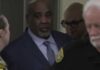
A sitting Mexican governor indicted in the United States on drug and weapons charges just marched back into office, daring Washington and deepening a brewing cross-border showdown.
Story Highlights
- U.S. prosecutors charged Sinaloa Governor Rubén Rocha Moya with drug trafficking and weapons conspiracies.
- Rocha stepped aside in May, then returned to office after more than three months away.
- Mexico’s leaders balked at extradition, demanding “overwhelming” proof as tensions rose.
- The rare indictment of a sitting governor raises stakes for U.S.–Mexico anti-cartel efforts.
Indicted Governor Returns To Office In Sinaloa
Reuters reported that Governor Rubén Rocha Moya resumed his post in Sinaloa after taking leave for more than three months. He stepped aside following U.S. charges alleging ties to the Sinaloa Cartel. His return likely heightens strain between Mexico City and Washington, which is pressing cases tied to cross-border drug smuggling that fuels addiction and street crime in the United States. Rocha maintains his innocence, but the charges remain active in a New York federal court.
The U.S. Department of Justice detailed sweeping counts: narcotics importation conspiracy, conspiracy to possess machine guns and destructive devices, and related offenses. Prosecutors say Rocha joined a network of nine current and former Mexican officials accused of aiding massive drug shipments into the United States. The unsealed indictment places Rocha among named figures that American agents claim backed, protected, or enabled cartel operations that harm U.S. families and communities.
What Makes This Case Different From The Usual Cartel Bust
American outlets noted how unusual this move is. The Los Angeles Times wrote that this appears to be the first time the Justice Department indicted a sitting Mexican governor. Past cases often targeted cartel leaders or former officials. This one alleges active political protection while in office, which raises the stakes for cooperation, extradition, and border security. That rarity explains the fast-growing diplomatic friction and the intense focus from both governments.
U.S. media and think tanks described a broader shift in anti-cartel strategy. Instead of chasing only traffickers, prosecutors are targeting the political shields that let cartels thrive. That includes claims of bribes, favors, and protection that undercut law and order on both sides of the border. The Center for Strategic and International Studies framed the Rocha indictment as a test for trade, security, and the wider relationship with Mexico, given the cartel’s reach and profit motives.
Mexico Pushes Back On Extradition And Demands Proof
Mexico’s president, Claudia Sheinbaum, refused to rush extraditions of Rocha and others. She said the United States must show “overwhelming evidence” before Mexico will hand over a sitting governor to face trial abroad. That stance triggered criticism from U.S. voices who see an urgent public-safety threat linked to fentanyl and meth crossing the border. The gap between the two governments’ standards is now a central friction point.
Rocha has called the indictment false and politically driven. He argues that Washington is targeting Mexico’s leftist movement. While defendants are presumed innocent, the charges exist and they are serious. For American families who have lost loved ones to drugs, the debate over “politics” does not change the damage done. The indictment outlines criminal counts that, if proven, point to high-level protection for traffickers who flood U.S. towns with deadly product.
Why This Matters For U.S. Security And Border Communities
The case underscores a basic truth: cartels cannot move tons of narcotics without corrupt help. If a sitting governor shielded smugglers, that is not just Mexico’s problem. That crime wave hits U.S. sheriffs, first responders, and parents. Federal prosecutors say the conspiracy pumped poison into the country while armed guards used military-grade weapons. That picture explains why Washington is pushing hard, even if it sparks a diplomatic storm.
#Now#Sinaloa Gov Rubén Rocha returns “fearlessly” to office—without #US visa & facing federal cartel charges. #AMLO’s close ally governs state where former president walked over to greet #ElChapo’s mother. Courage—or impunity with a straight face? https://t.co/AAGIN1hqd4
— Mexico Times (@mexicotimes) August 21, 2026
President Trump’s administration has made border security and cartel pressure a top priority. That approach is simple: cut the supply chain, punish enablers, and protect American communities. The Rocha case tests that resolve. It calls for tight coordination with honest partners in Mexico and firm consequences for those who side with cartels. America cannot accept political cover for traffickers while families bury children. Justice and security must come first, period.
Sources:
insiderpaper.com, aljazeera.com, usnews.com, reuters.com, english.elpais.com, theguardian.com