
Iran’s leaders are now facing the Trump administration’s most relentless financial enforcer, and Treasury Secretary Scott Bessent is making the pressure plain.
Quick Take
- Bessent says the Trump administration is using sanctions and financial isolation to choke off Iran’s money flow.
- He says buyers are backing away from Iranian oil because they fear getting hit again.
- The Treasury chief links the campaign to naval pressure, frozen assets, and a wider effort to force talks.
- Officials say Iran’s inflation, cash shortages, and blocked revenue are central to the strategy.
What Bessent Says the Pressure Campaign Is Doing
Scott Bessent has turned Iran policy into a direct fight over money, oil, and access to the global system. In public remarks, the Treasury secretary said the administration has imposed a “financial stranglehold” on the regime and disrupted tens of billions of dollars in projected oil revenue. He also said Treasury has frozen nearly half a billion dollars in regime-linked cryptocurrency and disrupted hundreds of billions in illicit financial flows.
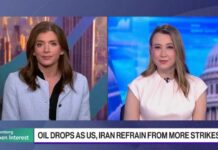
That message is simple and blunt. Bessent says the goal is to cut Iran off from cash, not just scare it with words. He told viewers that the United States is “suffocating” the regime and claimed that Iran is struggling to pay its soldiers. He also said sanctions fear is already pushing buyers away from Iranian oil, with China left as the main buyer in the market.
How the Treasury Secretary Ties Sanctions to Negotiation
Bessent has framed the pressure as a way to force Tehran toward a deal on Washington’s terms. In an interview on Meet the Press, he described the Iran policy as “escalate to de-escalate,” which means using hard pressure first and then seeking a deal. He also said any agreement depends on Iran opening the Strait of Hormuz and turning over its highly enriched uranium.
He has gone further by linking finance to battlefield limits. Bessent said Iran’s attack capability has been “substantially degraded,” and he argued that the region is not on fire because the Trump administration has paired military action with economic force. Treasury has also said it is targeting every stage of Iran’s oil chain, from extraction to sale, while working to shut down the regime’s access to the international financial system.
Why Iran’s Oil Revenue Matters So Much
Oil sales remain the lifeblood of the Iranian state, so any slowdown in those sales cuts deep. Bessent said sanctions fears are keeping buyers on the sidelines because they do not want to be re-sanctioned later. That point matters because it shows how Washington hopes to win leverage without needing a full military campaign. If traders, banks, and refiners believe the risk is too high, Iran’s revenue shrinks before a single shot is fired.
Trump Says US ‘Only Semi-Negotiating’ With Iran
The economic sanctions and our naval blockade of the Straits of Hormuz are bringing immense pressure to bear on the illegitimate terrorist Islamic Regime in Iran.https://t.co/Ww4cawKmQz
— GiveMeLiberty (@ru23052) August 10, 2026
Still, the public record shows one important limit. Most of the evidence is official rhetoric from Bessent and other Trump administration voices, not independent proof that sanctions alone are forcing Tehran to bend. The available reporting does show real pressure, but it also mixes sanctions with blockade threats, military moves, and warnings over the Strait of Hormuz. That makes the campaign look broad, hard, and coordinated rather than purely financial.
Why Conservatives See This as the Right Kind of Pressure
For conservatives who want strength without another open-ended war, Bessent’s approach fits a familiar common-sense idea: hit the regime in the wallet first. The Trump team is trying to use American power to protect U.S. interests while making Iran pay a price for its nuclear and regional behavior. Treasury’s own statements say the campaign is meant to isolate elite networks, freeze illicit funds, and choke off the money that fuels destabilizing activity.
At the same time, the warnings also show how much damage years of weak policy left behind. Bessent said the administration is watching Iran’s “huge inflation” and lack of money, which suggests the regime is already under strain. Whether that strain turns into a real concession is the open question. For now, the facts are clear: the Trump Treasury is treating sanctions as the main weapon, and Iran is being pushed hard from every financial angle.
Sources:
townhall.com, x.com, foxbusiness.com, bbc.com, news.meaww.com, foxnews.com, iranintl.com, youtube.com, moneycontrol.com, washingtontimes.com