
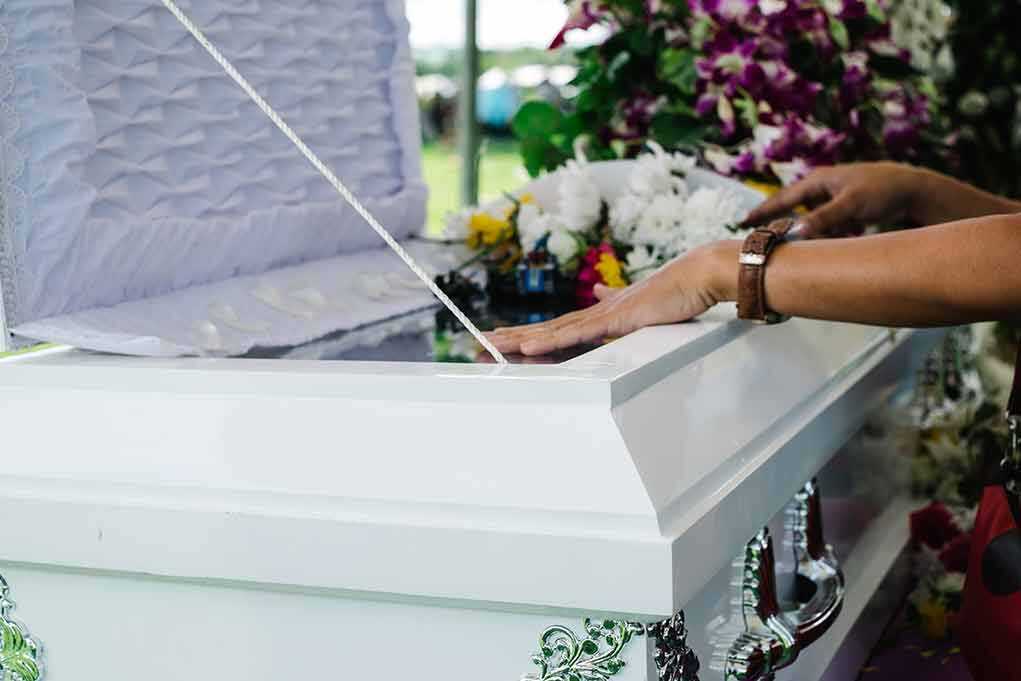
A teen girl in Guatemala reportedly sat up and spoke inside her coffin eight hours into her wake, stunning mourners and raising urgent questions about basic medical checks.
Story Highlights
- Video reports say 15-year-old Yuleidy Ixcotoyac moved, opened her eyes, and sat up during her wake.
- Her mother says she saw movement when leaning over the coffin, and mourners helped the teen out.
- Multiple outlets report no doctor confirmed death and no death certificate was issued.
- Authorities in Guatemala reportedly opened an investigation and sought medical evaluations.
What Witnesses Say Happened At The Wake
Reports from Guatemala say 15-year-old Yuleidy Ixcotoyac was believed to be dead for hours when mourners noticed movement inside her casket. Video shared by outlets shows the teen sitting up and talking as people shout in shock and praise God. Her mother, Lesvia Ríos, says she leaned over the coffin, saw her daughter move, and watched as the girl began to rouse. Relatives and friends helped her out of the casket as the crowded room reacted.
Coverage says the wake took place roughly eight hours after the girl was first thought to be dead. Accounts say the family had gathered in a village setting when the teen stirred and opened her eyes. Reports add that she later left the wake and received medical attention, with family members describing her as recovering at home after the ordeal. The scene captured on video spread worldwide within hours as the story drew intense interest.
Key Timeline And The Missing Medical Steps
Several outlets report the teen lost consciousness while her father was driving her to seek help. He reportedly stopped the car, checked for breathing and a pulse, and believed she had died. Crucially, reports state a doctor never examined her at that time. No medical professional signed a death certificate, and no hospital declared her dead, according to multiple accounts. That gap matters: without a clinical exam, a mistaken presumption can harden into tragedy.
Local authorities in Guatemala reportedly moved fast after the video spread. Reports say the Public Ministry opened an inquiry and that a child protection agency asked a court to order full medical evaluations for the teen. Another outlet says officials noted the absence of a medical certificate and sought clear documentation of her condition. These steps point to a central question: why was a funeral underway without a formal medical determination?
Why This Matters For Families And First Responders
This case shows how a basic check by trained medical staff can save a life and prevent trauma. Families often act in good faith during a crisis. But only a clinical exam, with proper tools, can confirm death. Several reports stress that no doctor performed that exam before the wake began. That failure turned a home into a makeshift morgue, then into a rescue scene. Every community needs a clear process to verify death and to call emergency care fast.
Newsrooms have also highlighted that video can drive strong belief. People tend to trust what they see on screen, even when key context is missing. In this case, the core facts are consistent across outlets: witnesses saw the teen move at her wake, and authorities started an investigation. The larger lesson is simple. In any crisis, rely on trained medics, written records, and clinical tools to decide life-and-death calls. That protects families from grief and from error.
A Conservative Lens: Competence, Dignity, And Accountability
American readers see a clear takeaway. Life is sacred. Families deserve competent care and honest records. This story is not about politics; it is about basic duty. When systems fail, regular people pay the price. Clear rules, trained responders, and documented proof are not “red tape.” They defend life and dignity. Reports from Guatemala suggest officials are now tracing who did what and when. That review aims to ensure this kind of scare does not happen again.
For parents and pastors here at home, the message is firm. Teach loved ones to call emergency services first. Demand professional exams before any talk of death or burial. Ask for documentation and do not be rushed. In this case, video and eyewitness accounts show a near miss that could have become a tragedy. The right habit—verify, then act—can save a life. Good process is common sense, not bureaucracy, and it honors the value we place on every human being.
Sources:
zerohedge.com, news.com.au, greekreporter.com, perthnow.com.au, lavozdeguate.com, mirror.co.uk, misinforeview.hks.harvard.edu, jcom.sissa.it