Israel’s interception of the Gaza-bound flotilla exposed the same old fight over border security, activist theater, and who gets to control the narrative at sea.
Quick Take
- Israeli forces intercepted the Global Sumud Flotilla as it moved toward Gaza, with reports saying the vessels were boarded off Cyprus [1][2].
- Organizers said the convoy carried humanitarian aid, while Israeli officials described it as a challenge to the naval blockade [1][2].
- Reporting said dozens of vessels were stopped and activists were detained, showing Israel gained operational control of much of the flotilla [1][2].
- The legal fight over where the interception happened remains unresolved in the supplied material [1][2].
Interception Off Cyprus
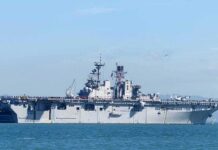
Israeli Navy vessels intercepted the flotilla while it was still en route to Gaza, not after it had reached shore. The Times of Israel reported that commandos boarded boats off Cyprus and that the livestream from one vessel abruptly ended as the boarding began [1]. Other coverage said the convoy had sailed from Türkiye and was trying to break Israel’s maritime restrictions on Gaza [2].
The available reports point to a large-scale maritime operation rather than a routine checkpoint. One transcript summary said more than 40 of the 54 vessels were seized and around 300 activists were detained [2]. Another report said at least 39 boats had been intercepted by Monday evening [1]. Those differing counts do not change the basic picture: Israeli forces took control of most of the convoy before it neared Gaza.
Competing Claims Over Aid and Authority
Organizers framed the mission as a humanitarian effort carrying aid to Gaza, and that framing is central to the public dispute [2]. Israeli officials, by contrast, treated the convoy as a deliberate attempt to challenge the blockade and called it a provocation [1]. That split matters because conservatives generally understand that a nation has a right to enforce its borders and maritime restrictions, but only if officials can show the legal basis clearly and transparently.
The provided material does not include the underlying blockade declaration, the naval order, or a full legal opinion explaining why the interception was lawful under maritime rules [1][2]. It also does not include vessel-by-vessel location data, cargo manifests, or proof that the boats ignored warnings before boarding [1][2]. In plain terms, the evidence shows the operation happened; it does not fully settle the legal case.
Why the Story Still Matters
This episode fits a familiar pattern in Gaza flotilla disputes: activists try to force a confrontation, the state moves to stop them, and the first public record is shaped by video clips, slogans, and fast-moving claims. That environment often leaves ordinary people sorting through competing headlines before the facts are fully documented. For readers tired of chaotic foreign-policy theater, the deeper issue is whether governments enforce rules consistently and explain them honestly.
BREAKING: Israeli Navy intercepts Global Sumud aid flotilla in international waters.
Naval forces boarded the vessels one by one to intercept the multinational civil society mission carrying food and medicine to Gaza. Over 100 international activists have been detained and… pic.twitter.com/RCYJZYTbB5
— Hoot Republic (@HootRepublic) May 19, 2026
The story also shows how quickly activism can become information warfare. The footage, the detentions, and the official praise from Israeli leaders all push the public toward an immediate conclusion, even though key facts remain thin in the supplied record [1]. Until the legal basis, communications, and cargo records are made public, the argument will stay stuck between security enforcement on one side and claims of unlawful seizure on the other.
Sources:
[1] Web – Israeli Navy intercepts vessels in Gaza-bound flotilla off …
[2] YouTube – Global Sumud Flotilla LIVE: Israeli Army Intercepts Gaza- …