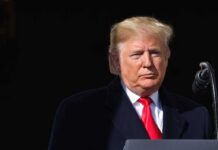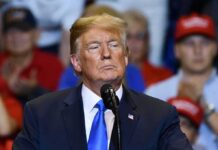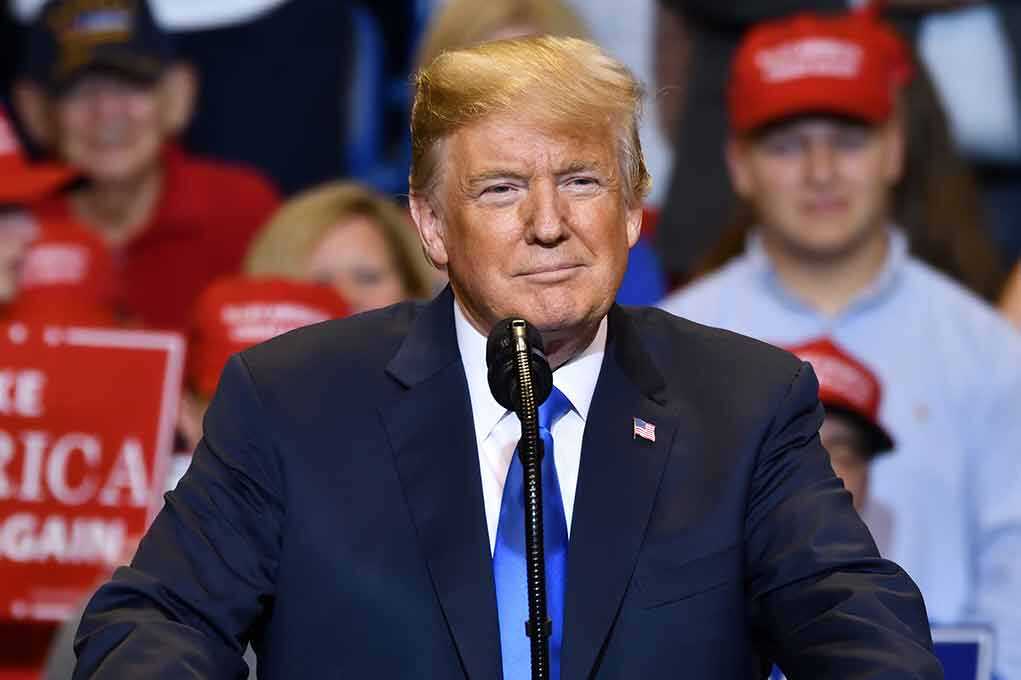
President Trump called the Iran conflict “small potatoes,” framing U.S. action as limited and under control.
Story Highlights
- Trump described U.S. action in Iran as “intermittent strikes,” not a full war.
- The President said the conflict is “small potatoes” for the United States.
- Media reports tied the six-month fight to service member deaths and higher gas prices.
- Trump said the United States is not leaving the mission yet and is “not finished”.
Trump’s Words: Limited Strikes, Not a War
President Trump told reporters in the Oval Office that the United States is carrying out “intermittent strikes” in Iran and that “we’re not fighting right now.” He said the situation is a “military conflict” and, for America, “small potatoes.” His comments backed Vice President JD Vance, who also declined to call it a war. Video and reports captured the remarks on September 4, 2026, during White House events and press exchanges.
Trump’s phrasing aimed to set expectations: manage pressure, keep forces safe, and avoid a wider fight. He framed the operation as controlled and on America’s terms. The message echoed a common pattern in past crises, where leaders use careful language to avoid unwanted escalation and legal triggers. Supporters see this as smart signaling. They argue the United States can strike hard while avoiding a long, open-ended war that drains families and budgets.
Costs, Casualties, and Energy Pain
Major outlets reported a harder edge to the reality on the ground. Reports said the conflict stretched past six months, contributed to higher gas prices, and led to the deaths of 18 American service members. Coverage also cited tens of billions in costs for taxpayers, adding pressure on supply lines and household budgets. These facts fueled questions about whether “small potatoes” fits a fight with visible costs at home and clear risks abroad.
Conservative readers know what higher fuel costs do to small businesses, farms, and family budgets. They also know Iran’s regime uses terror proxies and threatens shipping lanes. That mix is why many back firm pressure that hits the regime, not our troops. The President also said America is “not finished” and “not leaving right now,” stressing that pullout timing must protect gains and deter new attacks, not hand Tehran a win or raise prices again.
Managing Risk While Keeping Leverage
White House language focused on control and restraint. “Intermittent strikes” suggest precision and gaps between actions, which limit risk of a wider war. That approach keeps pressure on Iran’s tools of aggression while lowering chances of a mass deployment. It also signals that targets are military and strategic, not civilian. The goal is to degrade Iran’s ability to menace shipping and neighbors, while holding open options if Tehran tests American resolve again.
Trump Calls Iran Conflict “Small Potatoes,” Signals Possible Pickaxe Mountain Strikehttps://t.co/doU4QthrOD
US President Donald Trump has described the ongoing Iran conflict as “small potatoes” while suggesting that American forces could strike Pickaxe Mountain near Iran’s… pic.twitter.com/THyPYPa1zE
— Sprouts News (@sproutsnews) September 7, 2026
Some media framed Trump’s words as downplaying the fight. Others pointed to the steady pace of skirmishes and the hit to energy markets. Both can be true at once: the operation is smaller than past full-scale wars, yet it still has human and economic costs. For conservatives, the test is simple. Does the plan protect American lives, punish a hostile regime, and keep freedom of navigation without bogging down our forces or ballooning spending? That is the standard that matters.
Sources:
cbsnews.com, apnews.com, bloomberg.com, youtube.com