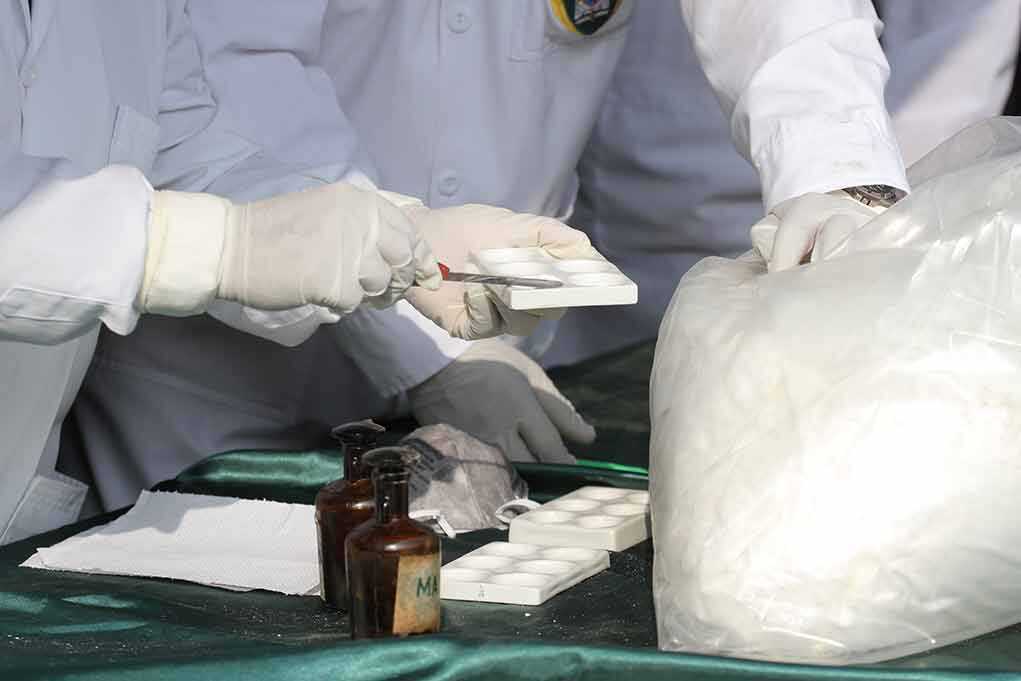
A lab method that turns plastic bottles into “vanilla” flavor raises real questions about feeding engineered, plastic-derived additives to American families.
Story Highlights
- Scientists engineered bacteria to convert plastic-bottle material into vanillin, the main vanilla flavor compound.
- The team showed the pathway can run from post-consumer plastic under mild, water-based conditions.
- Researchers admit the process is inefficient today and yields are tiny per bottle.
- Regulatory approval for food use is uncertain, and scaling remains a major hurdle.
What Scientists Actually Did In The Lab
University of Edinburgh researchers engineered Escherichia coli to turn terephthalic acid, a building block from polyethylene terephthalate plastic, into vanillin. The peer-reviewed paper describes a direct pathway from plastic-derived terephthalic acid into the flavor molecule vanillin using living cells. The study frames this as upcycling plastic into a higher-value product rather than making more plastic. The work documents a proof of concept in controlled conditions, not a factory-ready process.
The study also reports that the biological steps can be linked with an enzyme that first breaks plastic into terephthalic acid. That means the whole route, from a used bottle to vanillin, can occur in water at normal temperatures. This matters because mild conditions can cut energy use and lower costs if the process scales. The paper shows that post-consumer plastic can feed the pathway, at least in a lab setup designed by the team.
Big Caveats On Yield, Purity, And Food Use
Lead researcher comments say the process is “pretty inefficient” today, with only milligrams of vanillin per bottle. The team hopes to boost output many times over time, but those gains are not here yet. Chemistry World coverage notes the researcher’s uncertainty about whether vanillin made directly from waste would meet food safety rules. The report suggests near-term uses may be in cosmetics or as a bulk chemical, not food flavoring for people.
This matters for families and schools that want clear labels and clean food. A lab can make vanillin that is chemically identical to the flavor in beans. But regulators still check the source, process, and trace residues. Real-world plastic waste is mixed and dirty. Purifying the feedstocks and the final flavor to food-grade is hard and costly. That is before you address consumer trust when people hear “plastic to cookie flavor”.
The Wider Pattern: Cool Headlines, Tough Economics
Independent reviews of plastic “chemical recycling” say the same thing again and again. These methods can work in small runs, but they struggle to beat mechanical recycling on cost. They often need clean, pre-sorted inputs and heavy processing to reach pure products. Studies say energy use, added chemicals, and extra purification all drive up costs. Plants also need large volumes and stable supply to pencil out, which is hard for mixed municipal waste streams.
That history offers a clear takeaway for policymakers in Washington. Do not chase hype with mandates that push experimental additives into food. Focus first on what works: stopping illegal dumping, improving sorting, and growing American capacity to recycle clean streams at lower cost. If a new process can meet strict safety rules and win in the market without subsidies, then it will earn its place. Families deserve safe food and honest labels, not forced experiments.
What This Means For Consumers And U.S. Policy
American shoppers care about safety, cost, and choice. Any plastic-to-vanillin route must clear food safety rules, prove purity at scale, and win public trust. Until then, claims about plastic cookies belong in the lab, not in your pantry. President Trump’s administration should keep the Food and Drug Administration and the Department of Agriculture focused on rigorous reviews, clear labeling, and real transparency. That protects families and respects the free market while research continues.
Researchers deserve credit for trying to turn waste into value. But good intentions do not remove risk. The right path is simple: demand proof on safety, cost, and performance before talk of food use. Keep government from picking winners, avoid greenwashing, and back solutions that cut waste without lowering food standards. America can lead on clean industry and protect kitchen tables at the same time.
Sources:
ed.ac.uk, abc.net.au, patents.google.com, nature.com, ris.utwente.nl