
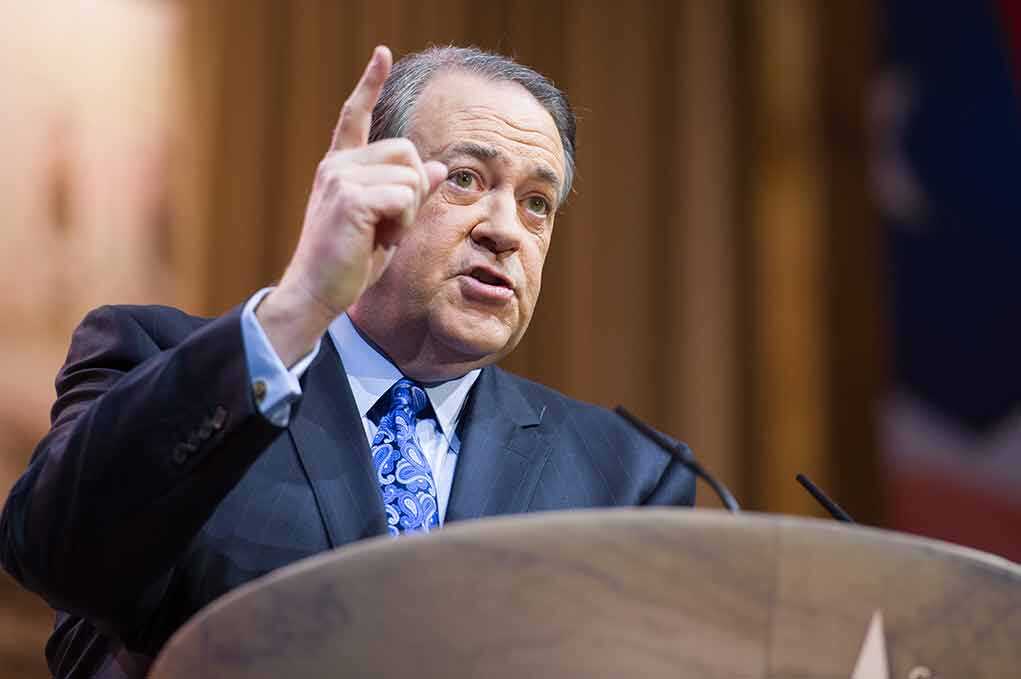
Mike Huckabee says President Trump “got it right” on Iran because the strikes were lawful, limited, and aimed at stopping attacks on Americans — and the record backs him up.
Story Highlights
- Trump reported the Iran strikes under the War Powers Resolution, citing his constitutional authority.
- The administration said recent Qeshm Island strikes targeted Iranian missiles that could hit U.S. assets.
- A Senate resolution underscores there was no formal declaration of war or specific authorization for Iran.
- Trump said the war could end “fairly soon,” while keeping pressure on Tehran.
What Huckabee Is Arguing And Why It Resonates With Conservatives
Mike Huckabee argues President Trump acted within his constitutional powers to protect Americans and deter Iran. Huckabee’s view matches the administration’s filing to Congress. On June 23, 2025, Trump reported the June 21 Iran strikes under the War Powers Resolution and cited his authority as Commander in Chief and Chief Executive. That filing put Congress on notice and documented the mission’s limits and purpose, which focused on U.S. security interests.
The White House also pointed to concrete targets tied to real threats. Officials said U.S. forces struck Iranian systems on Qeshm Island to prevent surface-to-air missiles from hitting U.S. assets. That is a classic self-defense rationale, not a bid for regime change or a ground war. Targeted strikes that remove threats to American pilots and ships fit the duty to defend U.S. personnel and deter further attacks.
The Legal Landscape: Presidents, Congress, And Limited Force
Congress did not pass a new authorization for force against Iran. A Senate resolution even stated there was no declaration of war or specific statute for Iran operations. That reflects a familiar pattern since World War II, where presidents often use limited force under Article II while Congress debates the scope of its war powers. Courts have never set a clear, final line between “limited” and “war,” which keeps this debate alive.
Legal experts note the president’s power to use force comes from two sources: the Constitution and laws Congress passes. Analysts widely agree there is no existing Iran-specific authorization. That leaves the question of whether Article II supports short, defensive actions to protect Americans abroad. Many scholars say it can, if the mission is limited in scope, aim, and time, and tied to defending U.S. people or assets — conditions the administration says these strikes met.
Outcomes And Risk: Pressure On Tehran Without Endless War
President Trump said the war could end “fairly soon,” and said Iran was “talking very politely.” Those statements point to pressure working without sliding into a wider conflict. They also show the White House wants leverage at the table, not an open-ended fight. In public remarks, leaders stressed that the United States remains ready to strike again if needed, which strengthens deterrence while keeping options narrow and focused.
Supporters say this balance — firm action, clear limits, rapid reporting to Congress — is the right model. It protects our troops and our interests, but avoids a blank check or a forever war. It also rejects the old globalist habit of slow, vague missions that drain resources and leave Americans exposed. Conservatives want strength with restraint. They want the Constitution honored and enemies deterred. Huckabee’s defense of Trump’s approach lines up with those goals and the documented steps the administration took.
What Critics Say And How The Record Answers Them
Democratic leaders and some commentators argue the strikes lacked specific authorization and risked escalation. They point to the Senate resolution noting no declaration of war, and they claim that unilateral action undermines Congress. Those concerns reflect a long-running tug-of-war over who decides when force begins. But the administration’s filing, the narrow targeting, and the stated defensive aim address the main legal and prudential tests for limited action under Article II.
🇺🇸🇮🇷‼️ SENATE DEMOCRATIC LEADER CHUCK SCHUMER CALLS TRUMP’S WAR IN IRAN ONE OF THE GREATEST FOREIGN POLICY FAILURES IN AMERICAN HISTORY!
Senate Democratic Leader Chuck Schumer has sharply criticized President Donald Trump and Defense Secretary Pete Hegseth over the war in Iran,… pic.twitter.com/56JGDY0UeX
— NSTRIKE (@NSTRIKE1231) November 11, 2026
For readers asking what protects our troops and our Constitution right now, the answer is focus and follow-through. The White House documented its authority and purpose. The targets were selected to stop threats to Americans. The president signaled de-escalation if Iran backs down. That is how you keep America safe, hold the line on costs, and avoid mission creep. On the facts in the record, Huckabee’s bottom line holds: Trump’s team acted to defend Americans, within recognized limits, and with Congress on notice.
Sources:
youtube.com, congress.gov, usatoday.com, govinfo.gov, abcnews.com