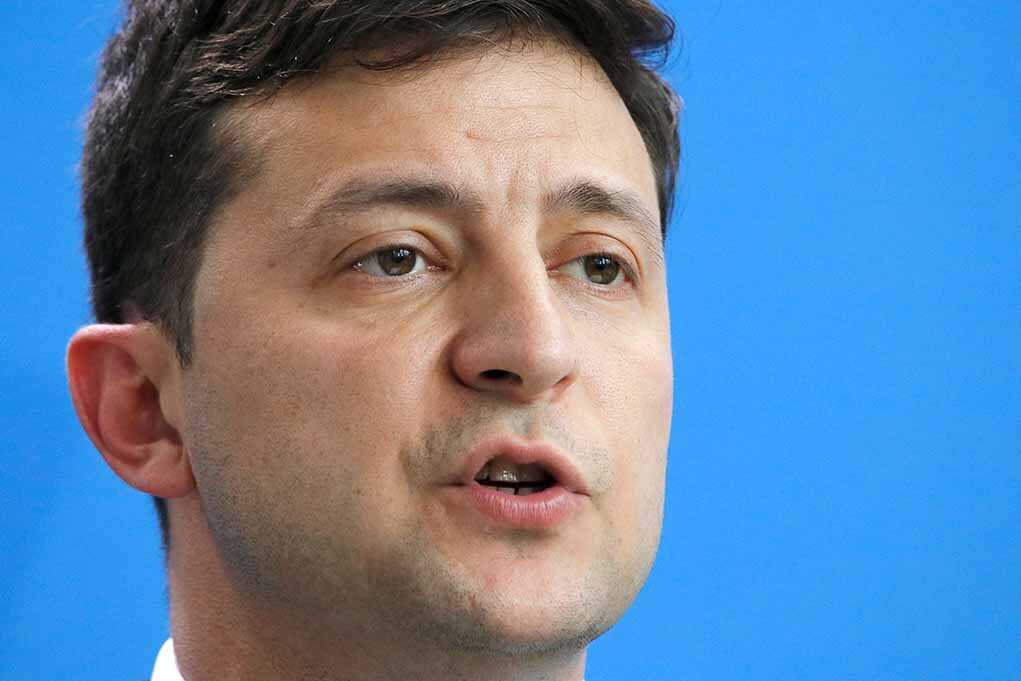
Zelenskyy said U.S. envoys Jared Kushner and Steve Witkoff would go to Moscow and then Kyiv, signaling direct steps toward a possible settlement.
Story Snapshot
- Ukraine’s president said the envoys were set to visit Moscow and then Kyiv on Sunday.
- Zelenskyy called earlier talks with the envoys “positive” and focused on a settlement.
- Public updates show repeated direct contact between Zelenskyy and the two envoys.
- The visit plan follows high-profile meetings in Moscow involving the same envoys.
Kyiv Visit Framed After Moscow Talks
Ukraine’s presidential office said Steve Witkoff and Jared Kushner would travel to Moscow and then on to Kyiv on Sunday, placing the Ukrainian capital squarely in the next step of their diplomacy. The statement came from the official website of the President of Ukraine, which has carried repeated messaging about this sequence. The plan links their Kyiv stop to ongoing contacts that included a Moscow leg, underscoring a shuttle-style effort built around direct talks with both sides.
Reuters reporting and other coverage have described the envoys’ contacts with Russian leadership, including lengthy Kremlin talks meant to explore ways to end the war. Those Moscow sessions create a clear narrative line for why Kyiv would be next in sequence. The choreography matters in any peace push. Meeting leaders in the right order can shape leverage and expectations. The Kyiv leg, as announced by Ukraine’s presidency, marked an effort to bring that flow of talks back to Ukraine’s seat of power.
Zelenskyy Describes “Positive” Talks With Envoys
President Volodymyr Zelenskyy said he had a “positive” conversation with Witkoff and Kushner and praised their readiness to work on a settlement. That public assessment, reported in June, highlights Ukraine’s focus on practical results over theater. A leader does not praise talks unless he expects movement. Even if the hard decisions remain, this tone set a public marker. It signaled that Ukraine would engage with the Trump administration’s envoys on concrete paths that could lower the cost of war.
Several reports show Zelenskyy maintained direct communication with the envoys over time. He spoke of recent calls and ongoing planning tied to diplomacy. Those contacts helped keep momentum while security teams worked out travel details and schedules. Frequent touchpoints can prevent drift in complex talks. Regular contact lets each side check claims, set next steps, and avoid surprises. That is basic blocking and tackling in any negotiation, and it appears to be happening here.
Timeline: From Hoped-For Visit To A Set Itinerary
Through late spring and summer, Zelenskyy and his team said they hoped Witkoff and Kushner would come to Kyiv. Public notes from The Hill and a Ukrainian outlet pointed to a likely window and showed that Kyiv was in the plan. As with most high-level trips, security and timing can move targets. The later Ukrainian presidential message providing the Sunday “Moscow and then Kyiv” sequence turned those hopes into a concrete plan shared by the president’s office.
That timeline sits inside a larger pattern. Reuters has tracked repeated steps in Russia-Ukraine diplomacy, with meetings in different cities and formats, and progress often coming in small gains, not big deals. The same rhythm appears here. The envoys met in Moscow. Kyiv announced a next stop. Each piece adds to the whole. None alone settles the war. But each creates a lane for larger issues, from prisoner exchanges to energy and territory, to get real attention in a structured way.
Why This Matters For U.S. Interests
American conservatives care about ending costly wars, deterring hostile powers, and protecting taxpayer dollars. If envoys can help frame a real path to peace that honors Ukraine’s sovereignty and stops Russia’s aggression, that lowers risk for U.S. troops and helps tame global energy shocks. Stable energy lowers home heating bills and gas prices. Fewer open-ended aid packages also protect the budget. Practical diplomacy, done from strength, serves U.S. families and our national interest first.
https://twitter.com/_AzzaTurki_/status/2096605559055135232
The Trump administration’s approach centers on direct talks, clear goals, and pressure for results. Kyiv’s statement about a Moscow-to-Kyiv sequence is a sign of active management, not drift. Ending a war requires speaking with those who can say yes or no. That is not appeasement; it is realism. The measure of success is simple: fewer missiles, fewer widows, and a deal that upholds borders and lets Americans focus on growth, secure borders, and strong families.
What To Watch Next
Watch for an official readout from Kyiv on the substance covered and any next steps on security, territory, or prisoner swaps. Look for U.S. statements that define outcomes, not atmospherics. Keep an eye on signs that Russia slows strikes while talks continue, which would show pressure is working. Finally, track whether Kyiv’s institutions and elected leaders remain aligned on the process. Clear alignment improves the odds that any deal sticks and protects core freedoms.
Sources:
bbc.com, turkiyetoday.com, kyivindependent.com, president.gov.ua, reuters.com, english.nv.ua, timesofisrael.com