
Federal prosecutors say a coordinated campaign targeted Jewish leaders and University of Michigan officials with threats and vandalism, and one indicted participant briefly worked for Abdul El-Sayed’s Senate campaign.
Story Highlights
- Federal grand jury indicts 12 over alleged intimidation of Jewish leaders and university officials.
- Alleged acts include threats, broken windows, and noxious chemicals thrown into homes.
- Defendant Mariam Odeh reportedly worked briefly as a paid El-Sayed campaign employee in 2024.
- El-Sayed’s team says it had no knowledge of any alleged conduct and denounced targeting people or property.
Superseding Indictment Alleges Organized Intimidation Campaign
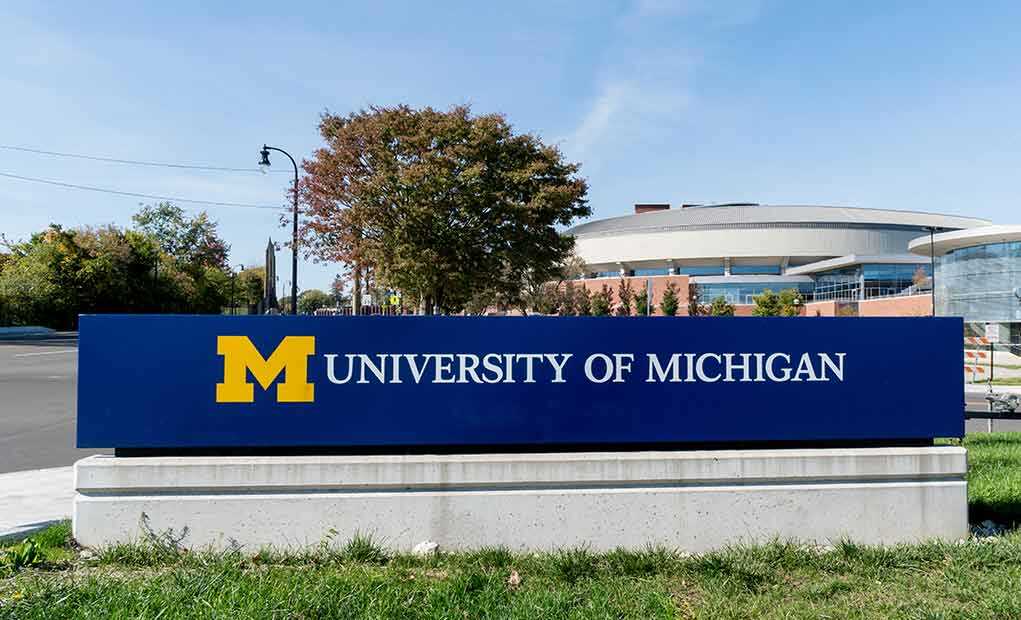
The United States Attorney’s Office for the Eastern District of Michigan announced a superseding indictment that now charges twelve people. Prosecutors allege a coordinated plan to pressure the University of Michigan and private entities to cut perceived ties with Israel. The case began with eight defendants and expanded after more evidence and arrests, according to the government. Officials say defendants are presumed innocent. A federal grand jury approved the charges, and the case now moves through the courts.
The indictment describes conduct that goes far beyond protest. Prosecutors point to threatening spray-paint messages, smashed windows, and glass jars with noxious chemicals thrown into homes of targeted families. The listed targets include the Jewish Federation of Metropolitan Detroit, two university regents, senior university leaders, a university police lieutenant, and a student. The government frames the acts as an intimidation effort designed to coerce decisions about Israel-related ties, not protected speech.
Who Was Targeted, And How Prosecutors Say It Was Coordinated
Prosecutors say the group used encrypted chats, social platforms, and overseas collaboration tools to research targets and plan actions. The method described would give a way to share names, addresses, and timing without easy public detection. The alleged objective was to scare officials and community leaders into policy shifts on Israel. The Justice Department says these steps, if proven, show an organized conspiracy to threaten people in their homes and workplaces, not a spontaneous protest.
The alleged target set reveals the real-world impact. The Jewish Federation and named university officials faced threats at personal locations, not just on campus grounds. That matters for safety and for the rule of law. Public debate is protected. Threats, vandalism, and chemical jars are crimes if proven. The distinction is clear to most Americans. Persuasion belongs in the public square. Intimidation at a family’s doorstep crosses a bright legal and moral line.
El-Sayed Campaign Link And The Limits Of That Connection
National Review and other outlets reported that defendant Mariam Muhammed Odeh previously worked for Abdul El-Sayed’s Senate campaign as an hourly employee and was paid nearly $750, with employment lasting about two weeks in 2024, according to those accounts. The reporting links Odeh to the campaign’s payroll but does not show any role by the campaign in the alleged plot. The available Justice Department materials do not claim the campaign directed or knew about the charged conduct.
Really! This is the 💩democrats are want in office. Always busted on corruption, here’s the latest please fact check it!
🚨 BREAKING: FEDERAL INDICTMENT CONNECTED TO ABDUL EL-SAYED’S FORMER CAMPAIGN EMPLOYEE! Mariam Odeh, 24, a former paid campaign worker for Michigan Democratic…
— Marc Twain (@MarcTwainsr) November 2, 2026
El-Sayed’s team says it had no knowledge of any alleged activity when Odeh was hired, and that she left by April 15, with one later back payment noted for records accuracy. El-Sayed publicly said targeting people or property is wrong, while also arguing that justice can be applied unevenly. Those statements, if accurately reported, set a clear public line against threats and vandalism. They also show the campaign’s effort to distance itself from the charged actions.
Why This Matters For Safety, Free Speech, And Equal Justice
The alleged conduct tests how the nation protects both safety and speech. The law draws a firm line: Americans can argue, petition, and protest. Americans cannot stalk, threaten, or attack. Prosecutors say this case is about coordinated threats and property damage, not debate. Jewish families, students, and local leaders deserve equal protection. So do peaceful protesters. The courts will now weigh evidence against each defendant. Until verdicts, every charge remains an allegation.
Campus Climate And The Rising Costs Of Extremes
Recent reporting shows campus-related antisemitic incidents rose sharply after October 7, even as totals vary year to year. That wider trend forms the backdrop for this case. When anger turns into targeted threats, ordinary families pay the price. When institutions shrug at intimidation, civic life erodes. Leaders must defend peaceful speech and punish crime. Clear lines, steady enforcement, and equal justice protect everyone—left, right, and center—without caving to fear or mob pressure.
Bottom Line For Readers
Federal prosecutors allege a planned intimidation effort against Jewish leaders and University of Michigan officials, now charging twelve people. The alleged acts include threats, vandalism, and chemical jars thrown into homes. One defendant briefly worked for Abdul El-Sayed’s campaign, but current records do not show campaign involvement in the charged conduct. President Trump’s Justice Department is pressing the case. The court process will test the facts and hold individuals, not slogans, accountable.
Sources:
thegatewaypundit.com, justice.gov, legalinsurrection.com, thejc.com, breitbart.com, michigannewssource.com