
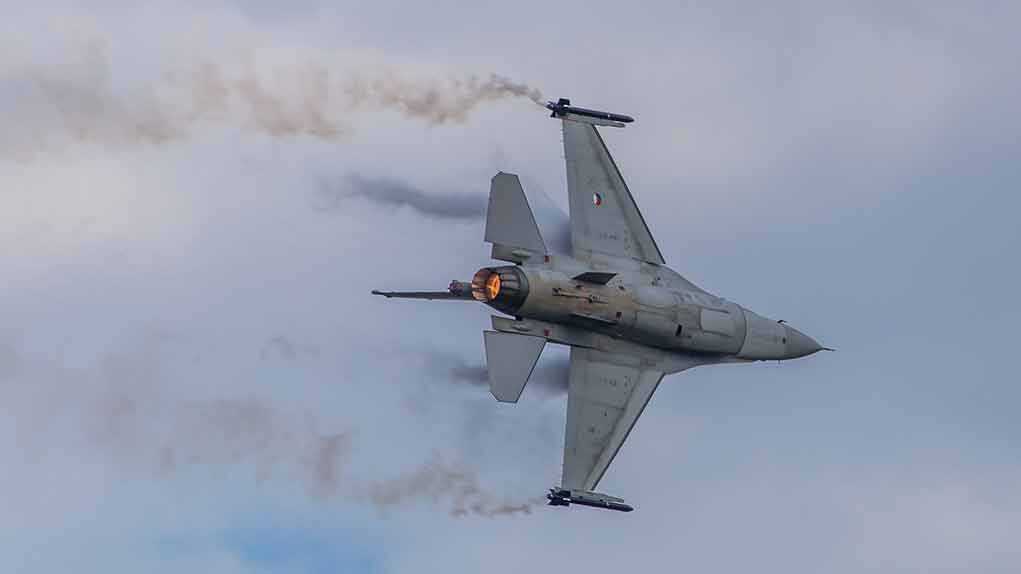
Myanmar’s generals tout “peace talks” while airstrikes tear through markets and displacement camps, killing civilians by the dozens.
Story Highlights
- Junta invites rebels to talks as air raids hit civilian areas, including a crowded market.
- United Nations officials and investigators condemn the reported strikes and rising death toll.
- Junta negotiator says bombing supports peace, drawing sharp criticism from opposition groups.
- Data and reports point to hundreds of airstrikes and hundreds of civilian deaths in recent months.
Junta Pushes “Peace” While Bombs Hit Civilians
Myanmar’s military rulers are inviting ethnic armed groups to the capital for talks while jets bomb civilian areas. A strike near a busy market in Kyauktaw, Rakhine State, killed about 50 people and wounded dozens more, according to multiple reports and rescue groups. United Nations officials condemned the attack and called the deaths deplorable. Local accounts described vendors, shoppers, and transport workers among the dead, including women and children. The attack drew global outrage and intensified pressure on the regime.
Senior junta figure Lieutenant General Yar Pyae said the bombing campaign serves peace and is part of an operation aimed at pushing negotiations. He made the remarks as the regime renewed calls for ethnic armed groups to join talks in Naypyitaw. Critics said the claim does not match the facts on the ground. They argued that killing noncombatants destroys trust and makes any sincere dialogue impossible. Observers warned that mixing force with outreach follows a yearslong pattern that has failed before.
Reports of Civilian Deaths Mount Across Regions
Independent and local outlets reported strikes on displacement camps, villages, and clinics in early October, leaving at least eight displaced people and a trainee nurse dead in Rakhine over two days, with more injured. A rights investigator for the United Nations said the military is intentionally attacking civilians to terrorize them and force submission, a charge that deepens calls for accountability. Regional media also detailed strikes over three days in mid-October that killed at least 27 civilians across several states.
Data cited by researchers show the air war has surged. One compilation recorded 581 airstrikes from July through September and linked them to at least 353 civilian deaths, including 34 children, with damage to markets and other public sites. Rakhine politicians and analysts told Radio Free Asia that the regime is using civilian harm to pressure the Arakan Army into talks, a tactic they said cannot build trust or lasting peace. These accounts add weight to the picture of a coercive campaign running alongside a public push for dialogue.
Why This Matters for U.S. Interests and Values
America stands for the rule of law, free speech, and the worth of every life. When a regime bombs markets and camps while advertising “peace,” it insults those values. United States leaders from both parties have long condemned attacks on civilians. Conservatives believe peace comes from strength and honesty, not doublespeak. Plain facts from United Nations officials, investigators, and on-scene reporting show civilians are paying the price while generals try to rebrand force as diplomacy. Congress and allies should keep pressure on the regime.
Arakan records most junta airstrikes as 214 civilians killed across Myanmar: BNI
Arakan recorded the highest number of Myanmar military junta airstrikes nationwide during a four-week period, while 214 civilians were killed in conflict-related violence across the country,… pic.twitter.com/3FurXOy8GS
— Maung Khin Zaw (@MaungKhinZaw4) October 27, 2026
Past Myanmar deals show why empty ceasefires fail. Research on the country’s peace process says bilateral truces often muted fighting but did not bring real political talks or reforms. Many resistance groups viewed the 2015 agreement as a narrow framework that left core issues unsolved. That history explains today’s distrust. If bombs keep falling on families, markets, and clinics, no paper promise will hold. Real peace starts when attacks on civilians stop and when talks address power sharing and rights.
What To Watch Next
Watch for verified casualty counts from the Kyauktaw market strike and other recent attacks, and for new satellite or ground photos that show target types and damage. Track whether ethnic armed groups accept or reject the latest invitations to talks, and whether the military eases or escalates air operations during any meetings. Monitor United Nations statements and sanctions moves as investigators gather evidence on alleged attacks on civilians and protected sites, including camps and health facilities.
Sources:
thegatewaypundit.com, nytimes.com, rfa.org, youtube.com, eusee.hivos.org, ground.news, irrawaddy.com