
After more than 90 minutes of talks, Palm Beach County deputies fatally shot an armed Army veteran during a late-night standoff in a Boca Raton-area plaza, triggering multiple official investigations.
Story Snapshot
- Sheriff says deputies negotiated for over 90 minutes before the shooting
- Four agencies are reviewing the use of force; deputies are on leave
- Officials say the man pointed a gun toward deputies before shots were fired
- Local and state training standards for crisis response are under new scrutiny
Standoff Details and Timeline Released by Sheriff’s Office
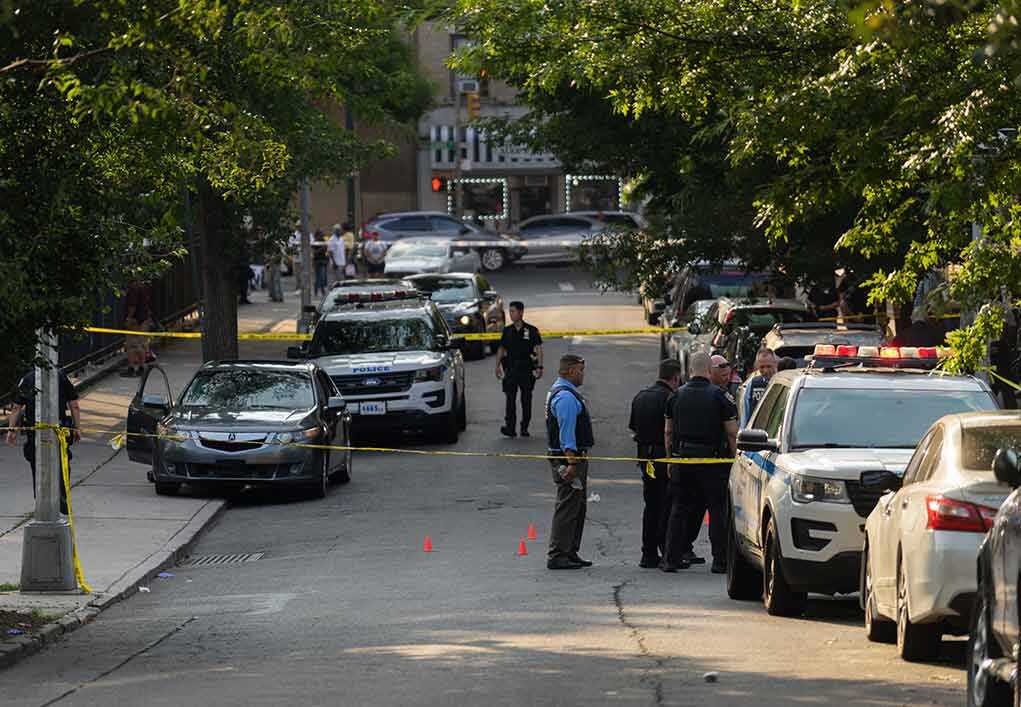
Palm Beach County Sheriff’s Office officials said deputies responded to Sandalfoot Square on the night of October 28 for a report of an armed, suicidal man. Sheriff Ric Bradshaw said negotiators spoke with the man from about 9:55 p.m. until around 11:29 p.m. Deputies reported the man held a gun and took an aggressive stance. Officials said they believed lives were in danger at that moment, and deputies fired. The man died at the scene, according to the sheriff’s office.
Bradshaw said the man did not fire at deputies, while investigators were still working to confirm who fired rounds that appeared to hit a sheriff’s vehicle. That detail remained under review after the shooting. The sheriff’s office said the gun was pointed in the direction of deputies during the final moments. Officials placed involved deputies on administrative leave, which is standard after critical incidents, while reviews proceed.
Multiple Investigations Underway and Standard Leave Protocol
Sheriff Bradshaw said the Florida Department of Law Enforcement is leading a review, along with the Palm Beach County State Attorney’s Office. The sheriff’s Violent Crimes Division and internal investigators are also examining the facts. Agency leaders said the deputies involved were placed on paid administrative leave during the process. Authorities have not released the deputies’ names at this stage of the inquiries, which often occurs in early phases of a case.
Officials stressed that each agency’s role covers a different part of the review. State investigators collect evidence and interview witnesses. Prosecutors assess whether the use of force meets Florida law. The sheriff’s office conducts its own review of policy and tactics. Those steps are typical after a fatal shooting. Final determinations on lawfulness and policy compliance will come after those reviews close.
What Authorities Say Prompted the Use of Force
Sheriff Bradshaw said deputies believed they faced an immediate threat when the man, still armed, moved into an aggressive posture. The sheriff’s office account stated the gun was brandished toward deputies near the end of the standoff. Deputies are trained to respond when a suspect with a firearm presents a lethal risk to officers or bystanders. That moment, officials said, led to the decision to fire after extended attempts to de-escalate the scene.
Officials emphasized the long negotiation window before shots were fired. The time line provided by the sheriff’s office describes repeated efforts to resolve the call without force. Deputies on scene requested specialized support and attempted verbal techniques to calm the situation. The account highlights how armed-suicidal calls can shift quickly from talks to a split-second decision when a gun is raised or pointed.
Training Claims and How Crisis Response Is Structured in Florida
Palm Beach County Sheriff’s Office leaders pointed to a behavioral health division that pairs detectives with clinicians. The office says it trains deputies, dispatchers, jail staff, and corrections officers in de-escalation and signs of mental crisis. A sheriff’s official described countywide instruction on how to talk with people in crisis to prevent violence when possible. Those programs sat in the spotlight because the incident still ended in deadly force.
Reports also cite Florida’s basic recruit curriculum, which includes classroom hours on mental health, crisis response, and veteran populations. A separate 40-hour Crisis Intervention Team course is commonly offered as advanced training. Research on such training shows mixed results, but many agencies use it to expand non-lethal options and improve verbal skills in tense calls. Officials say that is the aim, even when officers still must act to protect life.
Why This Matters for Public Safety and Accountability
Police often arrive first when someone is armed and threatening suicide. Officers must guard the public, protect themselves, and try to save the person in crisis. That is a hard balance when a gun is present and decisions come fast. The Boca Raton-area case fits that pattern. The current reviews by state and county authorities are designed to test whether the response met the law and followed training and policy as written.
As these investigations proceed, families, deputies, and the community want clarity. Officials say evidence reviews will include interviews, scene work, and policy checks. Those steps can confirm the time line and what triggered the final shots. Until then, the sheriff’s office stresses its account of long talks, a displayed gun, and a perceived imminent threat. Final agency findings will determine next steps for policy, training, and any legal actions.
Sources:
military.com, palmbeachpost.com, wptv.com, cbs12.com, tapinto.net, wpbf.com, sun-sentinel.com, delraybeachnews.org, pmc.ncbi.nlm.nih.gov