
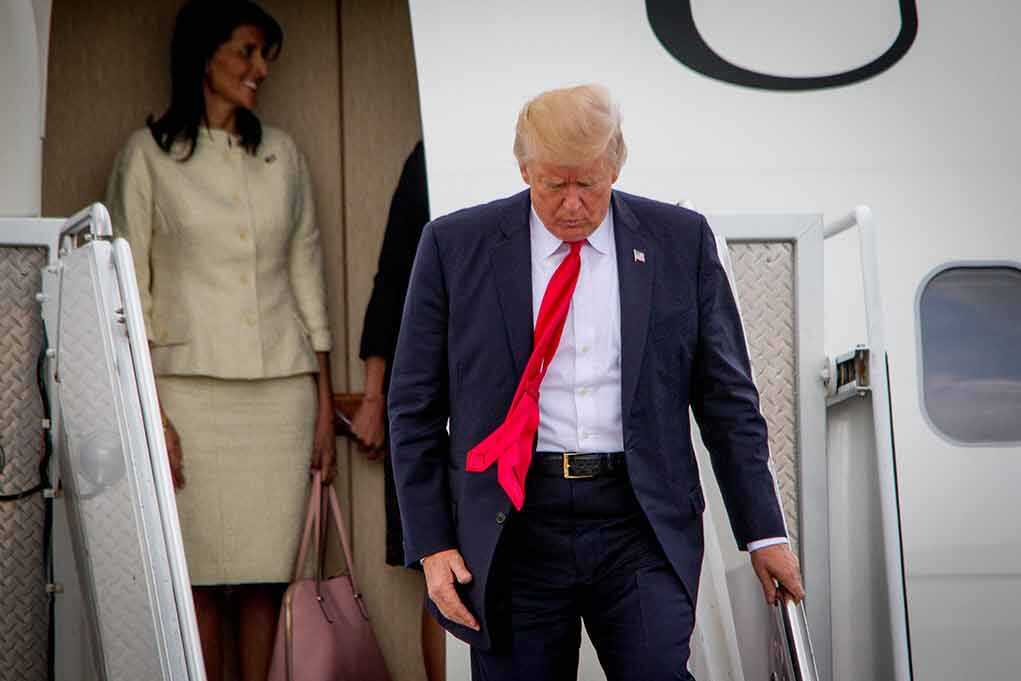
President Trump flew 3,400 miles to Wasilla to boost Sen. Dan Sullivan and pitch a $54 billion Alaska energy build-out that puts American jobs and lower utility bills ahead of green mandates.
Story Highlights
- Trump said he traveled to Alaska to help Sen. Dan Sullivan, offering a clear endorsement.
- A Wasilla rally was scheduled as a Sullivan campaign event with Alaska Republicans.
- Trump highlighted a prospective $54 billion South Korean investment in Alaska LNG.
- The Senate race is competitive, with Mary Peltola topping the August primary vote.
Trump’s Stated Mission: Elect Sullivan, Strengthen a Key Senate Seat
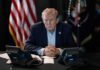
President Trump said he went to Alaska “to try and help Dan Sullivan,” adding he makes the trip only for candidates he believes in, and calling Sullivan “very good”. That plain message set the tone for the night. The campaign framed the stop as part of a midterm push to shore up pivotal races. The event aimed to rally conservatives in a state now using ranked-choice voting. The White House and allies cast Sullivan as vital to stopping Washington overreach and protecting American energy.
Anchorage media listed the rally at the Curtis D. Menard Memorial Sports Center in Wasilla, with Sullivan and Representative Nick Begich set to appear with the president. Organizers presented it as a campaign event to energize voters and volunteers before ballots are cast. The stop fit Trump’s broader travel to states where Republicans face stiff fights. Supporters looked for a clear contrast with Democrats on border security, spending, and the price of gas and groceries.
Energy Focus: Alaska LNG as Jobs, Security, and Lower Bills
Trump tied the endorsement to policy by touting a prospective $54 billion South Korean investment in the Alaska liquefied natural gas project, crediting Sullivan’s long effort on the deal. Backers argue the pipeline and export terminal would unlock North Slope gas, create skilled jobs, and reduce energy costs for families. They also say it would help allies buy American gas instead of relying on hostile regimes. Officials have said some participation details remain to be finalized.
The broader Alaska liquefied natural gas plan has been estimated between about $44.5 billion and $54.5 billion, with the goal of moving gas from the North Slope to an export terminal for overseas buyers. State analyses over recent years have mapped financing options and risk factors tied to global prices and long timelines. Supporters say the project can work with the right structure. They argue federal loan guarantees and tax policies can de-risk the build and speed construction.
Political Stakes: A Tight Race in a Ranked-Choice Landscape
The Alaska Senate race drew national attention because former Representative Mary Peltola outpolled Sullivan in the August open primary, signaling a serious fight. That result, paired with ranked-choice voting rules, pushed Republicans to lock in a unified base and reach swing voters. Trump’s team has acknowledged that the party in the White House faces headwinds at midterms, which raises the value of high-energy rallies and clear contrasts on the economy, border, and energy policy.
NOW: President Trump takes the stage in Wasilla, Alaska, as he continues his midterm election push alongside Republican Sen. Dan Sullivan.
The president is expected to highlight his administration's tax cuts, energy policies and investments in Alaska's economy and military… pic.twitter.com/HPkUriUYuD
— Fox News (@FoxNews) October 14, 2026
Research on presidential midterm visits is mixed, but recent scholarship finds that a president can help a Senate candidate by mobilizing low-propensity supporters and, in some races, affect the outcome. That evidence helps explain why Trump put time and political capital into Wasilla. The campaign did not release post-rally polling or turnout data, so the direct impact is not yet measurable. For now, the facts show a targeted endorsement, a full arena, and a policy case built on American energy strength.
Sources:
pbs.org, latimes.com, abcnews.com, abc45.com, adn.com, reuters.com, dor.alaska.gov