
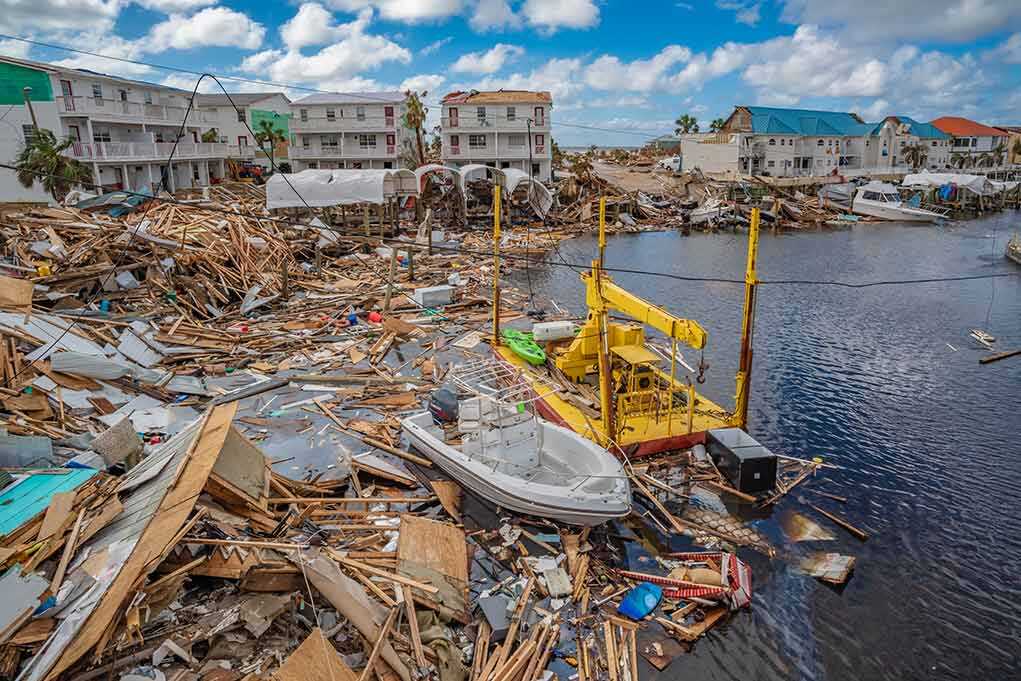
Powerful waves from Tropical Storm Rachel flooded Long Beach streets, damaged homes, and forced evacuations along the Peninsula.
Story Highlights
- City officials red-tagged multiple buildings after seawater breached coastal defenses.
- National Weather Service warned of coastal flooding across several Southern California counties.
- Tides near 7.6 feet lined up with damaging surf and minor flood levels.
- Newport Beach declared a local emergency and closed piers amid high surf.
Long Beach Peninsula Faces Flooding, Damage, and Evacuations
City leaders in Long Beach ordered evacuations for parts of the Peninsula after waves broke past a bulkhead and flooded streets. Reporters on scene described homes damaged by seawater and more than 30 feet of protective bulkhead compromised during peak surf. The city moved residents out of harm’s way as ocean water rushed inland and emergency crews worked to clear debris. Photos showed flooded alleys, sand-strewn roads, and battered structures along Seaside Walk and nearby blocks.
Long Beach’s mayor said building inspectors red-tagged eight structures that hold 13 residences and yellow-tagged another, limiting access while safety reviews continue. Those actions followed repeated wave impacts that undercut foundations and overwhelmed the walkway shield. The red tags signaled serious hazards, while the yellow tag warned of partial risk. City notices came as surf remained elevated across the region and local officials warned residents to stay clear of flooded zones and unstable fronts.
Weather Service Flags Ongoing Coastal Flood Risk Across Region
The National Weather Service warned of continued coastal flooding for beaches in San Diego, Orange, Los Angeles, Ventura, Santa Barbara, and San Luis Obispo counties. Forecasters highlighted Long Beach, Avalon, and Malibu as areas with a higher chance of damaging seawater flooding. Tide gauges near Long Beach and Santa Monica showed a Sunday morning high tide around 7.6 feet, which forecasters said can produce minor flooding when paired with large south swell and wave run-up along exposed coastlines.
Reporters across multiple outlets confirmed the same timeline: dangerous surf, an evacuation order for Seaside Walk, and safety tags on several buildings. Coverage from television and print stations aligned on the main facts and dates. Those outlets also noted shifting forecasts as Rachel weakened, even while surf stayed strong along south-facing beaches. That evolution did not change the ground truth for local residents, who faced flooded streets and damaged homes over the weekend.
Newport Beach Declares Local Emergency and Shuts Piers
Newport Beach leaders declared a local emergency in response to coastal flooding and kept all city piers closed until conditions improve. City officials acted as high surf battered the shoreline, and swells funneled into harbors and low-lying zones. The closures aimed to protect the public while crews assessed damage and cleared debris. The move underscored how the same swell event strained several cities at once, not just Long Beach’s Peninsula neighborhoods.
Powerful Storm Surge Pounds Beach Homes in Southern #California
Waves from Post-Tropical #StormRachel crashed into beachfront homes in #LongBeach, Calif., over the weekend, prompting evacuations.
Long Beach city officials had red-tagged 13 homes on the peninsula, meaning all…
— Siraj Noorani (@sirajnoorani) October 12, 2026
The Los Angeles Times reported that Long Beach residents were driven out by surf tied to Rachel’s remnants, and some beaches in Newport Beach were briefly closed as waves pounded the coast. Reporters also noted that the storm’s classification shifted as it weakened, while high surf and flood advisories continued. That change in labels did not halt local impacts. Residents still faced ocean water on streets, exposed foundations, and a damaged boardwalk that failed under repeated wave strikes.
What This Means for Preparedness and Infrastructure
Emergency orders, building tags, and pier closures show how surf and tide can stress older coastal defenses. Protective walls and boardwalks that worked in normal surf could not hold when waves lined up with higher tides. Forecasts from the National Weather Service helped cities move people and limit risk. City leaders now must inspect structures, repair defenses, and decide where to harden lines before the next round of big south swell and seasonal high tides returns.
One Caveat on Cause
Reporters linked the flooding to Rachel and high surf, while also noting that earlier erosion and prior damage likely made some places easier to flood. The records here do not split the exact share of damage between the storm, high tide, wave direction, or older wear on bulkheads. What is clear is that residents faced real flooding and that cities took concrete safety steps in response to direct ocean impacts this weekend.
Sources:
feedpress.me, latimes.com, abc7.com, cbsnews.com, lbpost.com, abcnews.com