

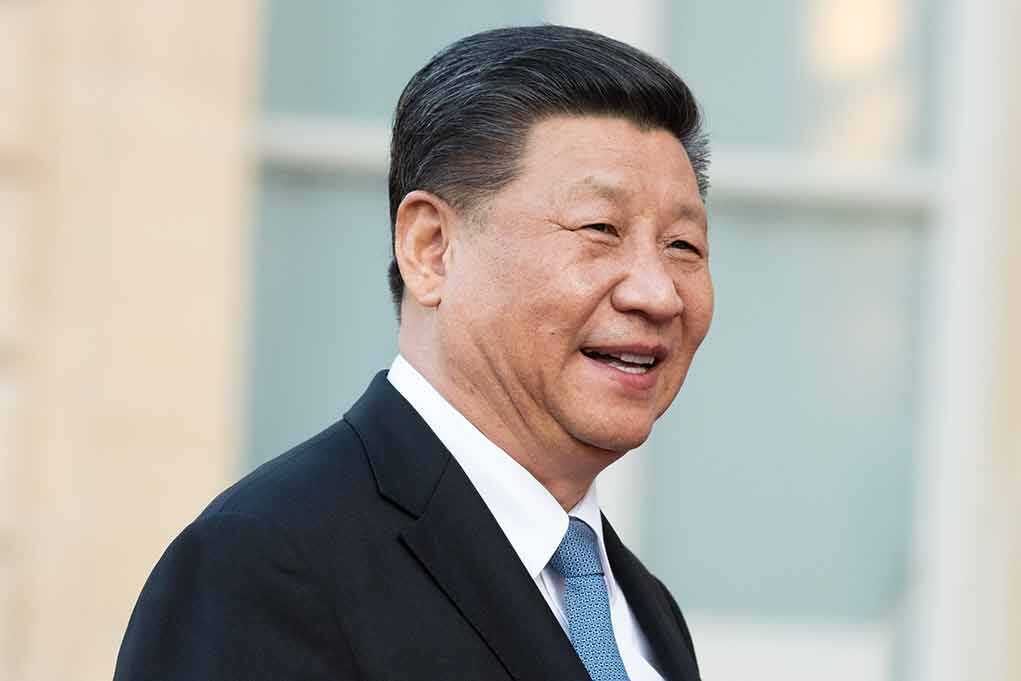
China’s Xi told President Trump the two nations should work together to keep artificial intelligence “under human control,” setting up talks on safety steps and an incident channel.
Story Highlights
- Xi proposed U.S.–China cooperation to keep artificial intelligence under human control.
- Both sides outlined plans for an artificial intelligence incident communication channel and dialogue.
- Treasury officials described sharing best practices for model testing and keeping human judgment in charge.
- Talks unfold amid chip export fights and broader tech rivalry that will shape any cooperation.
What Xi Told Trump About Artificial Intelligence Safety
Chinese state media reported that Xi Jinping told President Trump the United States and China should cooperate to manage artificial intelligence risks and ensure systems stay under human control. The comment followed a November 19, 2026 meeting in Shenzhen. Xi’s message echoed his September remarks in Washington, where he framed both nations as responsible for developing and managing artificial intelligence for good under human oversight. The core idea is simple: talk early, share risk signals, and keep people in charge.
Chinese government readouts from September described concrete areas for dialogue. Those included exchanging views on risks and benefits, preventing misuse or abuse, and maintaining human control over advanced systems. The focus points match practical concerns many Americans share. People want machines that help, not harm. Clear channels and firm rules can limit accidents, abuse, and runaway behavior. The Shenzhen follow-up pressed that theme again, stressing coordination and control, not open-ended global rules.
What Washington Says Will Happen Next
Coverage of planned outcomes said the two governments would set up a communication mechanism for artificial intelligence incidents and hold a dedicated artificial intelligence dialogue. The goal is fast contact if a serious problem appears, plus ongoing talks about risks and benefits. Reports also noted United States officials expect exchanges on testing advanced models before release and on ways to keep human judgment in charge of high-impact uses. That means check models first, then deploy with people still at the wheel.
Reuters placed these steps within a tense backdrop of chip controls and technology limits. That rivalry shapes what either side can share, and how far trust can go. Even so, both capitals have a reason to avoid accidents or misuse that spill across borders. An incident line can work like old military hotlines. It reduces confusion when minutes count and facts are scarce. It does not end competition. It makes a dangerous space a little safer to manage.
What “Human Control” Might Mean in Practice
Officials and reports point to common-sense ideas that fit conservative values. Keep a trained person responsible for key decisions. Require shutoff and override tools that work fast. Test for dangerous skills, like helping with hacking or bio threats, before release. Log important actions for audits. These steps let innovation grow while protecting families, businesses, and national defense. United States officials described plans to swap best practices on pre-release testing and to keep human judgment in command of sensitive uses.
Today’s record shows statements and plans, not a binding treaty. Reports described an incident mechanism and future dialogues, while noting that details remain limited. That is normal in early-stage coordination and does not block useful progress. The Trump administration’s stance favors practical safeguards over sweeping global rules. Talks that target misuse, accidents, and human oversight fit that approach. They protect Americans, our economy, and our security without handing power to international bureaucrats.
How This Affects Americans at Home
Artificial intelligence now touches banking, health, factories, energy, and national defense. A single faulty model or malicious use can drive costs up, jam supply lines, or expose data. Clear testing rules and an incident hotline help stop small sparks from becoming wildfires. That supports stable jobs, lower prices, and safer systems. It also backs strong borders and a strong military by reducing surprise risks from fast-moving tech. The standard is simple: innovate hard, test well, and keep people in charge.
What To Watch For Next
Watch for three near-term markers. First, an announced artificial intelligence incident channel with named contacts and activation rules. Second, a scheduled bilateral dialogue with a defined agenda on testing, misuse prevention, and human oversight. Third, a public description of pre-release testing practices the two sides discussed, even if each nation keeps its own standards. These steps will show if the plan is moving from talk to tools that help protect American workers, families, and national security.
Sources:
commerce.senate.gov, nampa.org, moneycontrol.com, barrons.com, pbs.org