
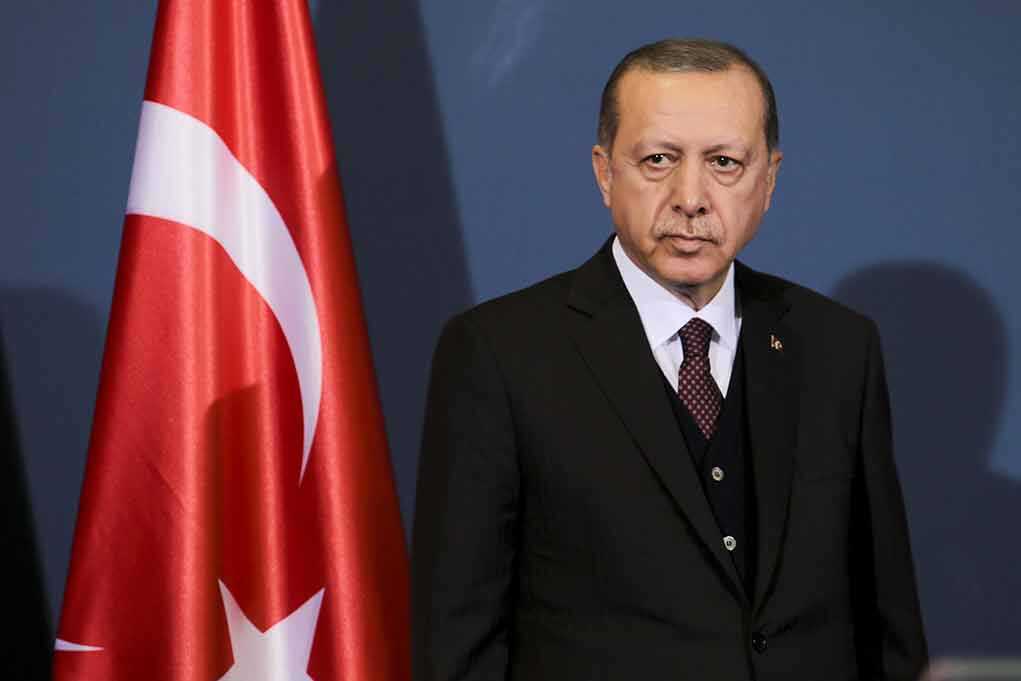
Turkey’s president used the United Nations climate summit to brand the Gaza war an “ecocide,” citing United Nations data on massive environmental ruin and public-health risks.
Story Highlights
- President Recep Tayyip Erdoğan called the Gaza war an “ecocide” at COP31, pointing to polluted water, rubble, and ruined farmland.
- United Nations assessments report extreme damage to crops, vegetation, buildings, and water systems across Gaza.
- Wastewater plants shut down, forcing raw sewage into beaches and groundwater, heightening disease risks.
- The legal threshold for “ecocide” is not established by these reports, which document damage but not legal culpability.
Erdoğan’s COP31 Charge and the Specifics He Cited
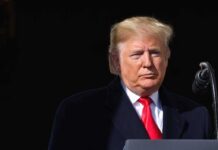
President Recep Tayyip Erdoğan told world leaders at the United Nations climate summit in Turkey that Gaza has suffered not only “genocide,” but also “ecocide,” pointing to pollution of soil and water, cut olive trees, and cities turned to rubble. He framed the destruction as a planetary concern, not just a local crisis. He called for action on aid and rebuilding. His remarks drew wide attention because they came at a climate forum focused on stewardship, resources, and human health.
Published reporting notes that Israel’s Foreign Ministry rejected Erdoğan’s charge and accused him of using a global platform to attack Israel, while pointing to Hamas’s role in the war’s outbreak and its use of civilian areas. Erdoğan’s speech, however, leaned on United Nations findings about environmental harm, which describe broad damage to land, water, and infrastructure. His “ecocide” label is political language, while the assessments document measurable impacts that affect daily life and recovery.
United Nations Findings on Land, Crops, and Debris
United Nations Environment Programme assessments report extreme damage to Gaza’s farms and green cover. By mid-2025, tree crops, annual crops, shrubland, and grass or fallow areas showed very high damage rates across the strip. Analysts also estimate that most buildings were damaged or destroyed, generating more than 60 million tonnes of debris, many times above past conflicts there. These conditions create dust, asbestos, and metal hazards, and they slow any rebuilding. Rubble piles also block roads and delay water and power fixes.
United Nations reporting describes how rubble and dust compound economic loss. Farmers cannot reach fields, and markets stay shut or under-supplied. Heavy equipment faces fuel shortages and access limits. These facts help explain Erdoğan’s focus on “enormous piles of rubble.” The land damage and debris add up to a food security shock, not just a visual one. Clearing waste safely will take years and money, and it will demand strict controls on hazardous materials mixed into the wreckage.
Water, Sewage, and Health Risks From System Collapse
United Nations assessments say Gaza’s freshwater supplies remain scarce and often polluted. Bombing, power loss, and broken pipes forced families to dig cesspits, which likely spread contamination into the aquifer. All five wastewater plants shut down, sending untreated sewage into beaches, coastal waters, and soil. That sewage carries pathogens, nutrients, microplastics, and chemicals that can trigger disease outbreaks and harm marine life. These harms worsen as storms move waste into streets and camps.
The reports also note that fishing livelihoods were “all but eliminated,” with munitions, sewage, and solid waste clouding nearshore waters. When sewage flows into the sea, it hits public health and jobs at once. Families lose income while children face higher waterborne disease risk. Fixing this requires power, chemicals, spare parts, and secure access for crews. Without those, contamination deepens and spreads. That is why United Nations experts tie environmental repair to emergency relief and long-term recovery plans.
What “Ecocide” Means Versus What the Data Prove
United Nations materials document severe, widespread damage and give numbers, maps, and risks. They do not decide whether the legal elements of “ecocide” are met. That judgment requires proof of unlawful or wanton acts, causation, severity, and duration under a defined standard. The assessments focus on conditions and recovery needs, not legal findings. Erdoğan’s label is political rhetoric layered on top of technical reports about damage and public health. One brief caveat from the United Nations notes access limits affected ground verification.
At COP31, Erdoğan described Israel’s destruction in Gaza as both genocide and ecocide, highlighting contaminated water, destroyed agricultural land and damaged infrastructure. Gaza’s environmental devastation is becoming an increasingly important dimension of the conflict. pic.twitter.com/l59EmYMlgT
— Middle East Index (@middleeastindex) November 12, 2026
For American readers, the signal is clear: the war created a major environmental and health crisis next door to key shipping lanes and allies. Sewage in the sea, poisoned groundwater, and mountains of rubble do not stay local; they drive migration pressure, disease risks, and aid costs. President Trump’s team must guard U.S. tax dollars, demand transparent cleanup plans, and press for strict controls on hazardous waste. Security, accountability, and responsible rebuilding should go hand in hand.
Sources:
youtube.com, unep.org, un.org, rappler.com, aa.com.tr, documents.un.org, newarab.com