

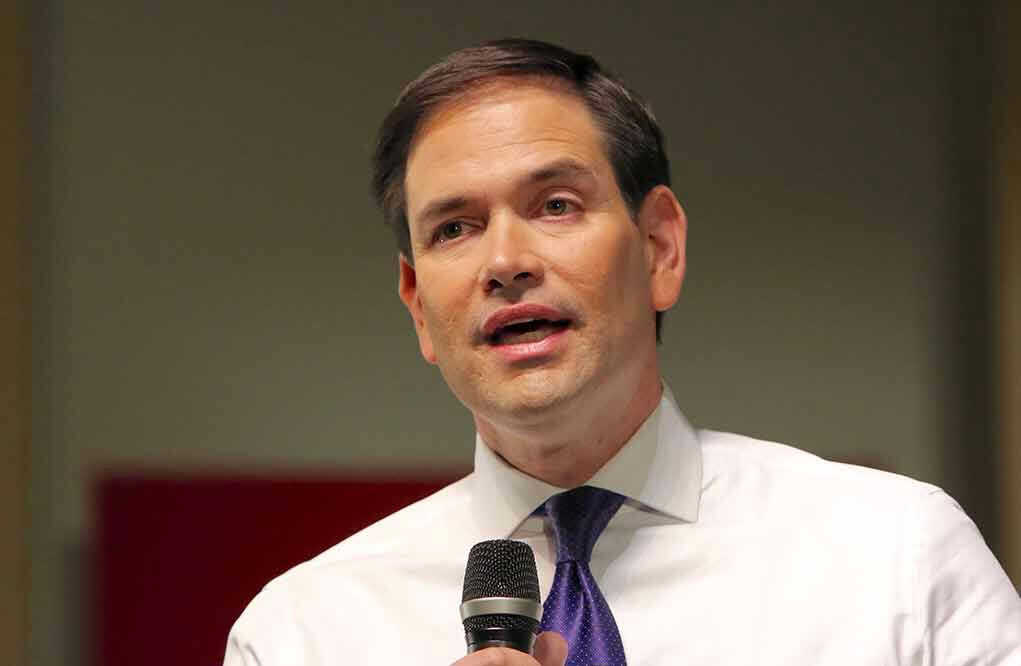
A Washington Post report says Secretary of State Marco Rubio took at least 23 government flights to Gainesville, with 15 labeled “solely personal,” triggering fresh questions about taxpayer costs and the rules that allow it.
Story Highlights
- State Department says Rubio is barred from commercial flights and must use government aircraft.
- Officials cite continuity of government and secure communications to justify the aircraft use.
- Agency records list 23 Gainesville trips, 15 as personal; media estimate costs above $1.2 million.
- Federal policy historically allows “required-use” officials personal travel with reimbursement rules.
What The Records Show About Rubio’s Flights
The Washington Post reported that Secretary of State Marco Rubio traveled by government aircraft to Gainesville at least 23 times, and the State Department said 15 of those trips were “solely personal”. The report linked many trips to games played by Rubio’s son at the University of Florida and cited a total taxpayer cost estimate over $1.2 million from aircraft operating rates. The department said Rubio reimburses at the economy fare price for personal legs, as policy requires.
A State Department assistant secretary said Rubio cannot use commercial flights for security reasons and must maintain secure communications at all times. The Washington Post grouped Rubio with other officials, like the defense secretary and the directors of the Federal Bureau of Investigation and Central Intelligence Agency, who face similar limits on commercial travel. That security rule explains the aircraft choice. It does not convert a personal trip into official business, which the department acknowledged for 15 flights.
How Federal Rules Treat “Required-Use” Travelers
Government rules have long recognized “required-use” travelers who must fly on government aircraft for security and communications needs. The Government Accountability Office found that attorneys general and Federal Bureau of Investigation directors are required to use government aircraft for all travel, including personal travel, and must reimburse the government under set formulas. Those rules aim to protect continuity of government while making officials repay at least the coach fare for personal segments, not the full operating cost.
This gap between reimbursement and operating cost fuels public anger in every administration. The Atlantic highlighted hourly rates around $9,000 for a smaller jet and $18,600 for a larger plane, which can push totals into seven figures when trips add up. The Washington Post’s estimate for Rubio’s Gainesville flights rests on those rates and trip counts. Critics call that a subsidy. Supporters answer that security rules, not personal whim, drive the aircraft choice, and that the payback formula follows federal policy.
Fair Questions For Taxpayers And A Path To Clarity
Taxpayers want to know two things: did Rubio follow the rules, and are the rules fair. The State Department says the secretary is barred from commercial flights and must have secure communications, which explains the aircraft. It also says Rubio reimburses at coach price for personal trips, as policy requires. Those answers address compliance. They do not settle whether the policy itself should better align costs with personal travel or require more detailed trip-by-trip transparency.
Secretary of State Marco Rubio has used taxpayer-funded military jets to travel to at least 10 University of Florida football games. Sally Jenkins writes that the message he’s sending is “This administration doesn’t serve you. You serve it.” https://t.co/hz4l81wqqe
— The Atlantic (@TheAtlantic) November 13, 2026
Reform is possible without risking security. Congress and inspectors general can review the travel directive, the approval process, and the reimbursement math for required-use officials. They can compare practices across agencies and publish nonclassified summaries. They can require faster reporting of personal segments and reimbursements. These steps would respect continuity-of-government needs while giving taxpayers a clearer bill. The facts show Rubio operated under a known rule; the debate is now whether that rule still makes sense.
Sources:
people.com, theatlantic.com, worldattention.com