
A far-left outsider just knocked off the Democratic Party’s chosen candidate in Michigan, then made history by becoming the first Muslim elected to the United States Senate.
Story Snapshot
- Abdul El-Sayed beat establishment favorite Haley Stevens in Michigan’s Democratic Senate primary by fewer than 15,000 votes.
- Stevens had backing from retiring Senator Gary Peters and a huge money advantage, but El-Sayed won anyway.
- El-Sayed went on to defeat Republican Mike Rogers in the general election, becoming the first Muslim ever elected to the Senate.
- Stevens later turned around and endorsed Rogers, exposing deep cracks inside the Democratic Party.
Narrow Primary Win Shakes Michigan Democrats
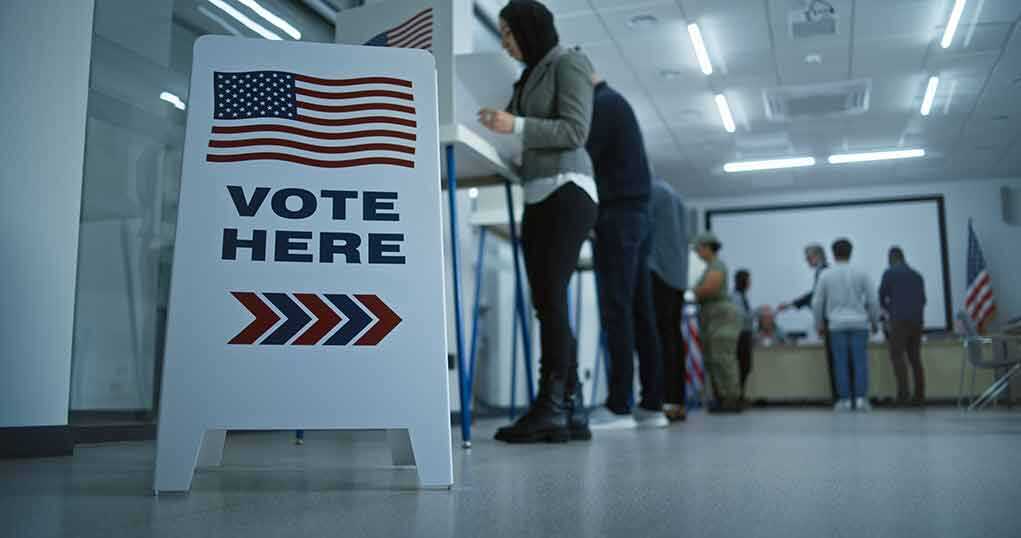
Michigan Democrats picked Abdul El-Sayed as their Senate nominee on August 5, 2026, after he narrowly beat Representative Haley Stevens in the primary. The Associated Press waited until nearly all statewide ballots were counted before calling the race, with El-Sayed ahead by just 14,893 votes out of more than 1.5 million cast. That is a margin of less than one percentage point.
El-Sayed left his own election-night party without declaring victory, since the outcome stayed too close to call for hours. The tight finish shows just how split Michigan Democrats really are heading into a general election their party badly needed to win. It also shows the party base is tired of letting Washington insiders pick their nominees for them.
Establishment Money Couldn’t Buy the Seat
Stevens entered the race with the backing of retiring Senator Gary Peters and other Democratic establishment figures, giving her the kind of institutional muscle party leaders usually count on to clear the field. NBC News reported El-Sayed overcame a “huge advertising disadvantage” against her campaign. Despite being heavily outspent, he still came out on top.
The Associated Press described El-Sayed as someone who “harnessed Democratic frustration with the party establishment” to pull off the win. For a party that has spent years telling voters to trust the experts and fall in line, watching a grassroots long-shot steamroll a Peters-backed insider is a telling sign of just how little patience primary voters have left for being told who to support.
Democratic Civil War Spills Into the General Election
El-Sayed went on to defeat Republican Mike Rogers, a former congressman and Federal Bureau of Investigation (FBI) agent, in the November general election for the open Senate seat. That victory made him the first Muslim ever elected to the United States Senate, a historic first confirmed in post-election reporting. The seat had been held by Peters, who chose not to seek re-election.
"Let them know the bad guys lost" boasts Abdul El-Sayed in Michigan who won the US senator race despite AIPAC spending more than $30 million to defeat him in the Democratic primary and another reported $9 million in the general election pic.twitter.com/PMjhNirDh4
— Arab News (@arabnews) November 4, 2026
What happened next tells its own story about the state of the Democratic Party. Stevens, the very establishment candidate El-Sayed had defeated in the primary, later endorsed Rogers, the Republican, rather than back her own party’s nominee. That is not a small thing. A sitting Democratic congresswoman chose a Republican over a fellow Democrat rather than embrace the party’s leftward shift, a split conservative voters should watch closely as it plays out in Washington.
El-Sayed’s rise fits a pattern conservatives have flagged for years: the Democratic Party’s progressive wing increasingly overpowers its moderate, establishment flank, even when that wing’s own endorsements, fundraising, and institutional weight get thrown behind a preferred candidate. NBC News framed the primary result as a “Midwest victory for the left,” and the general election outcome only cements that shift for Michigan’s next six years in the Senate.
Sources:
michigan.gov, nbcnews.com, houstonpublicmedia.org