
A U.S. intelligence warning says Iran has stepped up plots to target Americans, as federal cases show years of kidnapping and murder-for-hire schemes reaching into New York City.
Story Highlights
- Federal cases show Iranian-directed plots from kidnapping to murder-for-hire on U.S. soil.
- Justice Department linked an Islamic Revolutionary Guard Corps general to an alleged hit team.
- U.S. bombers left a United Kingdom base amid a suspected Iran-linked threat, officials said.
- Threat picture aligns with Iran’s long record of transnational repression against dissidents.
Documented Plots Move From Kidnapping To Assassination
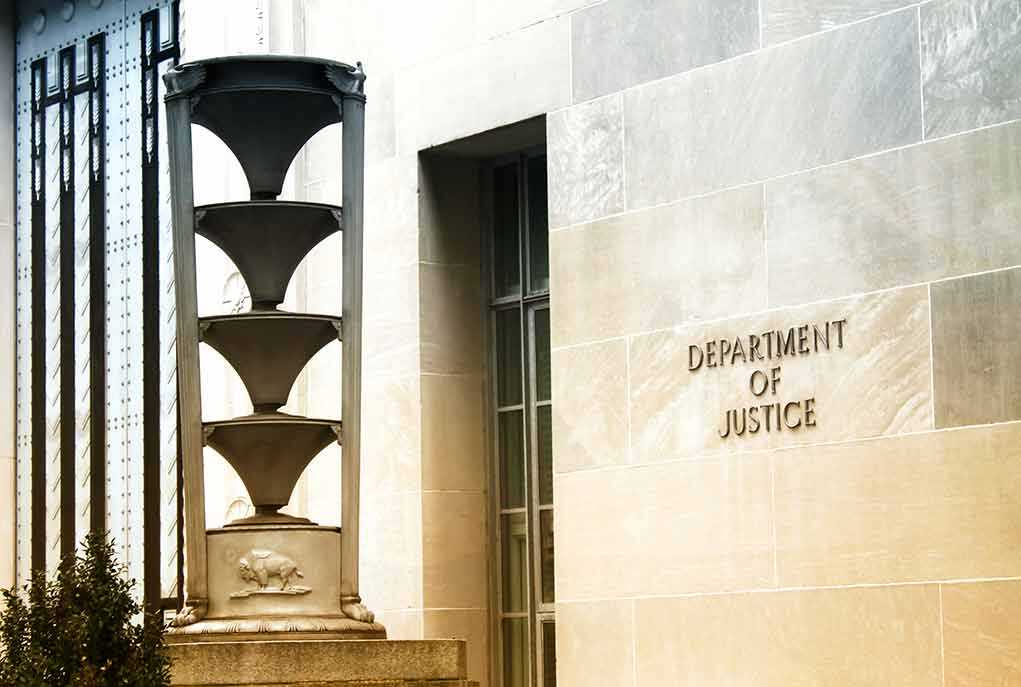
Justice Department records describe a steady pattern. In July 2021, a New York indictment charged an Iranian intelligence officer and others with a plot to kidnap a U.S.-based journalist in Brooklyn. Prosecutors said the scheme was directed by the Government of Iran and began in 2020, targeting a critic living under U.S. protection. The case established a government-backed effort to surveil and seize a dissident. The charges remain allegations until proven, but they outline methods, money flows, and roles.
In January 2023, federal prosecutors in Manhattan alleged the plot escalated. A superseding indictment said an Eastern European criminal network was hired in 2022 to murder a U.S. citizen of Iranian origin in New York City. The document tied the plan to earlier attempts to kidnap the same person in 2020 and 2021, showing persistence and a shift from abduction to a contract killing on American streets. The underlying indictment details contacts, payments, and operational steps.
U.S. Says Senior Iranian Security Officials Directed A Murder-For-Hire Network
On October 22, 2024, the Justice Department announced new murder-for-hire charges. Officials named Islamic Revolutionary Guard Corps Brigadier General Ruhollah Bazghandi, a former intelligence officer, and alleged network members. Prosecutors said they contracted an Eastern European criminal group to kill a U.S. citizen who opposed the Iranian regime, and linked this to prior targeting of the same person. A separate U.S. Attorney release in New York echoed the chain of command and operational scope.
These filings mark more than one-off crimes. They show repeated attempts across years, involving surveillance, intimidation, coercion, and violence. The cases focus on dissidents and U.S. residents rather than uniformed troops. But they demonstrate capability, intent, and reach by Iranian security elements and proxies inside the United States. For homeland security, that matters. Plots that start with exiles can spill into wider threats if left unchecked.
Security Actions In The United Kingdom Underscore Operational Concern
Reporting from the United Kingdom described a rapid U.S. force-protection move. After arrests near Royal Air Force Fairford, officials redeployed all twelve U.S. B-1 bombers back to home stations. Coverage cited a suspected Iran-linked plot against the base and said authorities treated the threat as credible enough to clear out the fleet. Public records on the arrests remain limited, but the aircraft withdrawal itself is confirmed by officials in those reports.
🇺🇲🇮🇷US warns Iran has increased efforts to target American personnel in the region.
The Director of National intelligence Jay Clayton sent unclassified one page memo to Secretary of State Marco Rubio stating that US intelligence has received information through various channels… pic.twitter.com/bkjjr2QiHK
— Global Surveillance (@Globalsurv) October 24, 2026
The intelligence warning about increased efforts to target U.S. personnel lands in this context. Federal Bureau of Investigation (FBI) agents and prosecutors have already built cases on kidnapping and murder-for-hire tied to Iran’s security services. The Justice Department’s own releases attribute direction to senior figures. That aligns with a wider history of transnational repression by Tehran against critics abroad, documented by legal and research sources over decades.
What It Means For Americans And U.S. Policy
For families, the message is simple. U.S. agencies are treating the Iranian threat as real, organized, and persistent. For policymakers, the record supports firm action. That includes strong law enforcement, tight screening of criminal proxies, and pressure on any facilitators. It also supports clear red lines that protect our people at home and overseas. The open indictments show how plots take shape. That knowledge helps stop the next attempt before it reaches a front door or a base gate.
Sources:
cbsnews.com, cambridge.org, justice.gov, static.foxnews.com, pbs.org