
Iran’s regime claims it can manage and even restrict the world’s oil chokepoint, challenging U.S. authority and global shipping rules.
Story Snapshot
- Iran’s Revolutionary Guard and officials assert control over the Strait of Hormuz.
- A new Iranian “authority” and maps extend claimed oversight deep into key waters.
- United Nations shipping leaders and U.S. partners reject Iran’s sovereignty push.
- President Trump says America controls the strait as Tehran pushes back.
Iran’s Stated Control Claims and New “Authority”
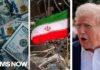
Iran’s Revolutionary Guard declared Tehran controls the Strait of Hormuz and warned foreign militaries not to “interfere,” placing the vital waterway at the center of a power test. Iranian officials told the United Nations shipping agency that “parts” of the strait fall under Iran’s territorial waters, asserting they can manage traffic. State-linked outlets showcased a “Persian Gulf Strait Authority,” which published a map asserting Iranian armed forces oversight across wider zones than before, signaling a push to formalize their reach.
Euronews reported the new Iranian map extends claimed regulation into waters near the United Arab Emirates and Oman, drawing fast warnings from Gulf states to shippers through the United Nations maritime system. Separate reporting says Iran aims to control inbound traffic and gain visibility over outbound vessels, with power to intervene under a proposal with Oman as talks continue. These steps position Iran as a gatekeeper at the mouth of the Gulf, where a fifth of traded oil can pass in normal times.
Global Pushback and International Law Friction
United States officials and Gulf partners have rejected Iran’s claim to manage passage through an international strait. Advisories told mariners not to follow Tehran’s unilateral “rules”. The United Nations shipping agency’s governing council urged countries to dismiss Iran’s sovereignty effort and its unilateral creation of a control body for traffic. Britannica’s summary explains the shipping lanes lie mostly in Omani waters, some in Iranian waters, but transit is governed by global maritime law, not a single country’s will.
Reuters reporting describes a de facto reality since the war: Iran seeks leverage by vetting ships, setting checkpoints, and sometimes extracting fees or conditions for safe passage. That model stops short of legal control but can still slow commerce and raise costs. For American families, that matters at the pump and in prices for goods that depend on stable energy routes. Any tolls, delays, or closures can flow straight to higher energy and shipping costs.
Dueling Messages From Washington and Tehran
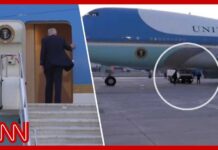
President Trump told Americans the United States has control of the strait, stressing that Iran cannot choke off global trade or blackmail energy markets. Tehran publicly rejected that message and said the waterway would not reopen on U.S. terms, tying passage to its demands and behavior changes from Washington. The clash is not just rhetoric; it shapes risk premiums, convoy planning, and insurance costs for the tankers that keep economies moving.
Iranian military spokesmen have said they are “controlling” the strait and will use any means to secure it, a phrase that keeps shipowners and insurers on edge. Senior Iranian sources told Reuters they want recognition of control and even the ability to levy fees on ships entering or leaving the Gulf, and may force the issue if needed. That stance tests freedom of navigation and invites more patrols, escorts, and coalition pressure to keep sea lanes open.
What It Means for Energy Prices and U.S. Strategy
Energy markets react to threats at chokepoints. Traders price in risk when Iran claims oversight or closure, and when maps expand claimed zones. That can push up oil and fuel costs even without a shot fired. United States leaders, working with allies, can blunt that by ensuring escorted transit, signaling penalties for harassment, and keeping pressure on insurers and shippers to resist illegal demands. Strong, clear rules at sea protect wallets at home and deter coercion abroad.
Iran asserts control over Strait of Hormuz after Trump touts US ‘wall of steel’ naval blockade https://t.co/H9WmxG6Dzh
— K.RAGAVAN..(ModiKA PARIVAR) (@write2ragavan) August 13, 2026
Conservatives see a familiar pattern: an authoritarian regime tries to turn geography into leverage, while global bodies and partners push back. The facts show Iran asserting more control through announcements, documents, and on-water practices. The counter-force is law, resolve, and presence. The United States and its partners say transit is not up for sale or negotiation. Holding that line keeps energy flowing, defends free commerce, and stops a dangerous precedent.
Sources:
cbsnews.com, apnews.com, bbc.com, bbc.co.uk, jpost.com, aljazeera.com, reuters.com, bloomberg.com, insurancejournal.com, trtworld.com