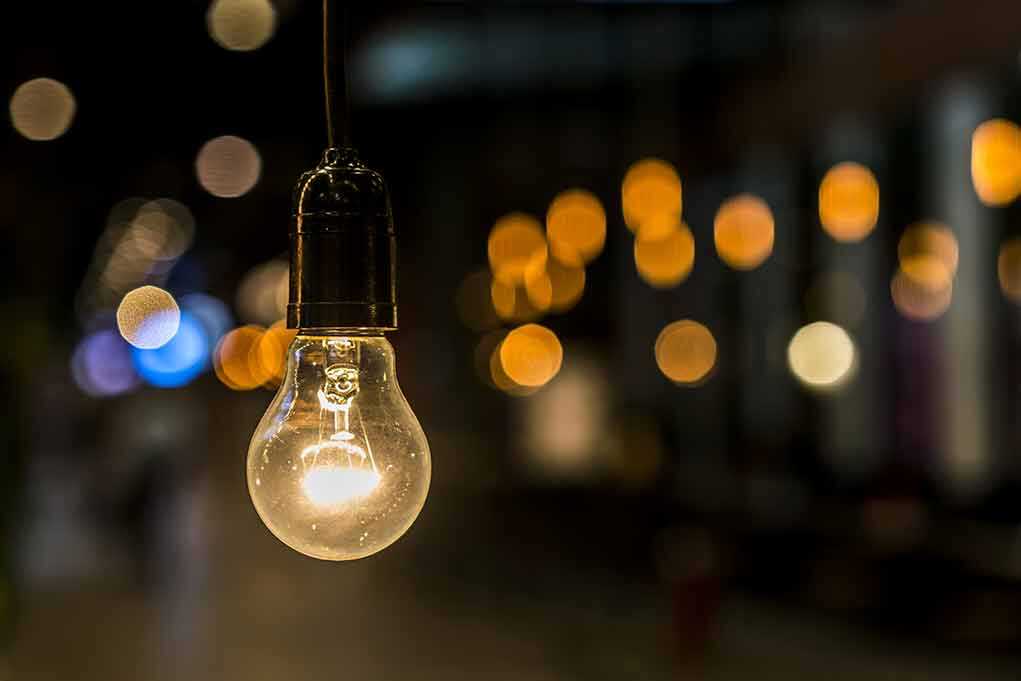
LED lighting is now under a fresh health warning: evening light exposure can change how the body burns fuel during sleep.
Quick Take
- Human studies found evening LED exposure changed metabolism during sleep and the next morning.
- Research links artificial light at the wrong time to obesity and diabetes risk.
- Experts say the biggest concern is light at night, not a simple ban on LEDs.
- Some of the strongest evidence is short-term, so the long-range disease question is still open.
Human Studies Point to a Metabolic Shift
A peer-reviewed study in Scientific Reports found that evening exposure to polychromatic LED light changed energy use during sleep. The study reported a higher respiratory quotient and lower fat oxidation after LED exposure than after OLED light, and the effect lasted into the next morning. That matters because the respiratory quotient shows which fuel the body is using. A higher number means the body is leaning more on carbohydrates and less on fat.
Another review of human research reached the same broad warning. It said light exposure is tied to sleep, eating patterns, body temperature, and energy metabolism, and that disruptions in those systems are linked to obesity and diabetes risk. A separate human study in overweight, insulin-resistant adults found that bright indoor light timing changed post-meal glucose metabolism and energy use during sleep. In plain terms, the clock on the wall may be doing more than setting bedtime.
The Real Issue Is Nighttime Circadian Disruption
European Commission experts have said the main concern is circadian disruption from artificial light, including LEDs. Their opinion noted that several studies suggest a link between desynchronization of the body clock and higher metabolic risk factors. A broader review of light-at-night research says there is ample evidence that nighttime light affects metabolism through the biological clock in the brain. That is why many scientists focus on the timing and color of light, not just the bulb type.
The literature also makes one point clear: the danger signal is strongest for blue-rich light used at the wrong time. Human studies show that blue light is more potent than green light in shifting the circadian clock, and that evening exposure can suppress melatonin and delay sleep. The review literature does not say every LED is toxic. It says bright, blue-enriched light at night can push the body out of sync, and that is where the metabolic concern begins.
What the Evidence Does and Does Not Prove
The evidence is real, but it is not the same as proving that modern LEDs alone cause diabetes or weight gain. Much of the strongest human data measures short-term changes such as glucose, respiratory quotient, and fat oxidation, not hard outcomes like new disease cases. Several reviews also use careful language such as “associated with” or “suggests,” which shows that the field has not locked down causation.
Yes — if the core claims hold up even partially, this is a strong candidate clue for the bioelectric / metabolic operating system.
What the post is saying
Paul Saladino is amplifying concerns (drawing especially on neuroscientist Glen Jeffery’s work discussed on the Huberman… https://t.co/MHlddYQPVa— Tom on X (@tom_delafe) August 10, 2026
Some supporting work also comes from animal studies. One mouse study found that chronic blue LED exposure disturbed gut bacteria and cholesterol metabolism. A recent survey study found an association between outdoor artificial light at night and metabolic diseases in middle-aged and older adults. Those findings strengthen the case that nighttime light matters, but they still leave a gap between a laboratory signal and a broad real-world verdict on every LED in every home.
That gap is why the most honest reading is also the most practical one. The research supports better light habits, especially at night, and it supports caution about blue-rich indoor lighting after dark. It does not support panic, and it does not justify pretending the issue is settled. The conservative case here is simple: keep the lights on when needed, but stop ignoring evidence that constant, artificial brightness can work against the body’s natural order.
Sources:
newscientist.com, nature.com, pmc.ncbi.nlm.nih.gov, shadowmap.org, frontiersin.org, diabetologia-journal.org, youtube.com, sciencedirect.com, aip.org, cdc.gov