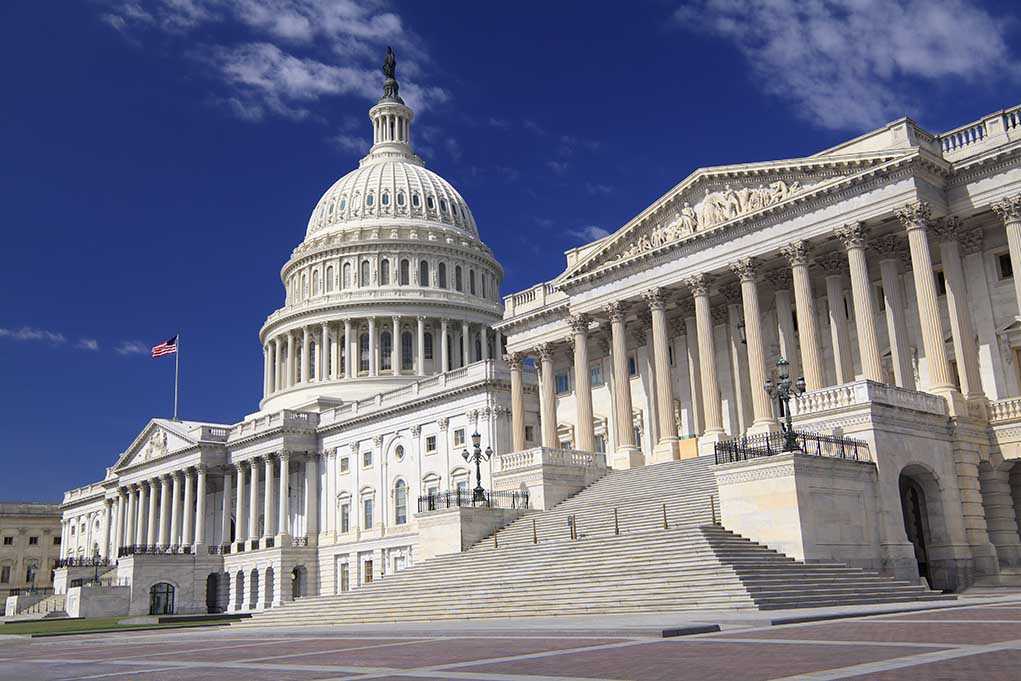
ProPublica says at least 75 nonpartisan election-security staff are gone from federal offices, raising sharp questions about who now holds the keys to America’s voting systems.
Story Snapshot
- Watchdog reporting claims election-guarding offices lost dozens of veteran civil servants.
- Political appointees reportedly filled key roles, including some tied to the 2020 dispute.
- Scholars debate whether “guardrails” are eroding or holding under pressure.
- Evidence centers on staffing and norms, not formal powers, which remain intact.
What the new reporting says about election security staffing
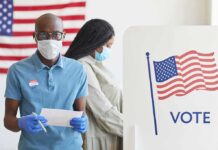
ProPublica reports that President Trump’s second-term leadership reshaped agencies that help safeguard elections. The outlet says at least 75 nonpartisan career staff are gone from election-related federal offices, and many roles now belong to political appointees. The summary claims the ranks include people who helped Trump contest the 2020 result. These are strong allegations from a watchdog source. The accounts focus on personnel changes, which can influence how agencies prepare for threats and coordinate with states.
The same reporting argues the “guardrails” that constrained the 2020 push are now weaker because many who resisted then have left government. The claim does not cite a single directive that changed legal authority. Instead, it cites who holds sensitive posts. That matters because trusted career staff often carry know-how and relationships that help during crises. Losing that experience can slow responses, even when agencies keep the same laws and budgets.
How this fits a longer fight over norms and power
The Brennan Center says the United States needs to restore norms that prevent misuse of emergency powers and protect independent decision-making inside the executive branch. That view holds that formal checks can stand while practical checks wear down. Brookings takes the other side, saying the “guardrails of democracy held” and institutions kept their legal power. Both positions can be true in part. Laws still exist, but real-world capacity can slip if expertise and independence fade over time.
For conservative readers, the core issue is simple: fair rules, clear chains of command, and local control. States run elections, not Washington. Federal agencies should help states fight foreign hackers, stop fraud, and share threat data, not steer outcomes. If staffing shifts speed up help for states, that is good. If they sideline skill and invite groupthink, that is bad. The facts presented so far speak to staffing and culture, not proof of illegal pressure or lost statutory powers.
Why the staffing claims matter to trust and turnout
Elections rely on trust as much as on machines. Voters want to know that rules are even, that ballots are secure, and that officials serve the law, not a party. Watchdog claims gain attention because they suggest concentrated loyalty inside roles that should be steady and technical. The report names a big number and ties some appointees to the 2020 dispute, which alarms critics. The article, however, does not provide internal memos or orders that prove a plan to bias federal help. That limitation deserves mention.
Senate Failed To Pass Save Act, Enters Summer Recess! https://t.co/m1rQTRj6ok
— D. Luigi (@DLuigi23) August 9, 2026
Conservatives should demand sunlight without swallowing spin. Congress can ask for staffing rosters, job descriptions, and conflict screens. Agencies can publish how they vet appointees who will touch election security. States can insist on written protocols before they share data with federal partners. These steps defend equal treatment, protect federalism, and keep the focus on stopping fraud and foreign threats. That is the balance our system needs: tough oversight, clear roles, and zero tolerance for mission drift.
What to watch next
Lawmakers can seek documents that show how roles changed, why vacancies occurred, and how expertise is being replaced. Independent inspectors general can audit whether help to states slowed or improved. If service quality holds steady or rises, fears may ease. If response times slip or warnings get filtered, alarms will grow. The law still sets the guardrails. The test now is whether day-to-day practice matches the law’s promise, with skilled people in place to keep elections honest and secure.
Sources:
cambridge.org, propublica.org, whitehouse.gov