

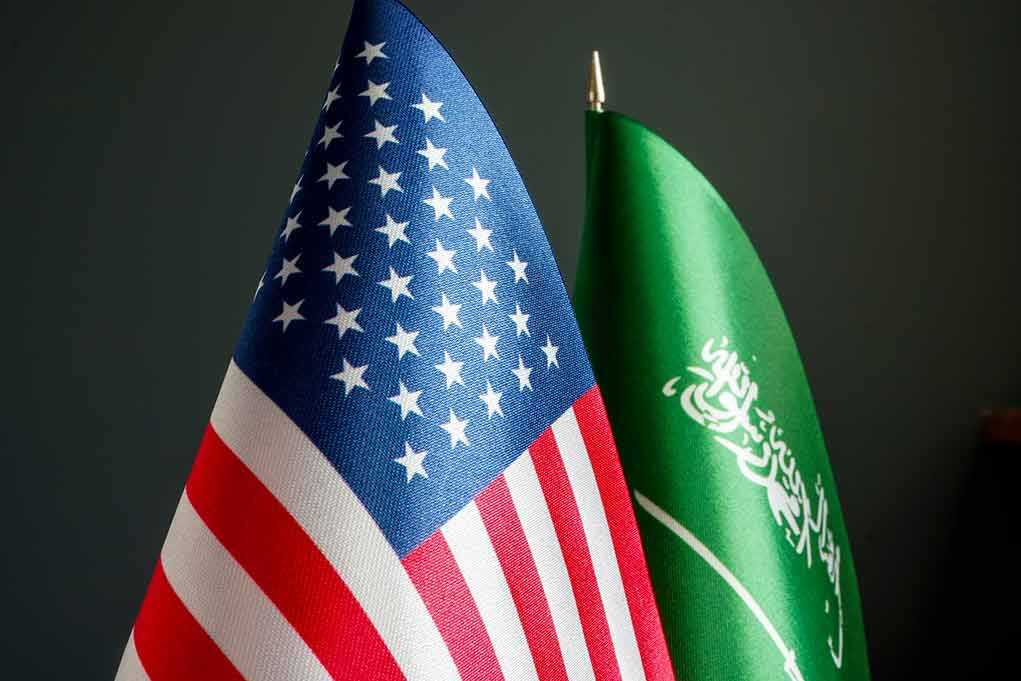
A new U.S.–Saudi nuclear deal is set to give Riyadh uranium enrichment rights with weaker safeguards, raising hard questions about security and American interests in the Middle East.
Story Snapshot
- The Trump administration has completed a civil nuclear agreement with Saudi Arabia built around a decades-long, multi‑billion‑dollar partnership.
- The deal opens Saudi Arabia’s nuclear program to U.S. companies and technology, including the potential for a uranium enrichment facility in the kingdom.
- Key nonproliferation guardrails, like strict enrichment limits and the International Atomic Energy Agency’s Additional Protocol for intrusive inspections, appear relaxed or omitted.
- Supporters call the deal a win for American industry and regional strategy, while critics warn it could fuel a nuclear arms race with Iran and other rivals.
Trump’s Nuclear Deal With Saudi Arabia Comes Into Focus
President Donald Trump’s team has now finished negotiations on a civil nuclear agreement with Saudi Arabia that would anchor a long‑term energy and industrial partnership between the two countries. The White House fact sheet describes a Joint Declaration that “builds the legal foundation for a decades‑long, multi‑billion‑dollar nuclear energy partnership” and makes U.S. companies Riyadh’s “partners of choice” for its civilian nuclear program. This step clears the way for a formal agreement under U.S. law, known as a Section 123 accord, which must go to Congress before major reactor exports and technology transfers can move ahead.
Energy Secretary Chris Wright and Saudi Energy Minister Prince Abdulaziz bin Salman signed the Joint Declaration during a visit by Crown Prince Mohammed bin Salman, publicly confirming that the civil nuclear talks had reached completion. U.S. officials and industry advocates frame the deal as a major commercial opening, with American reactor vendors positioned to build large nuclear power plants in Saudi Arabia and capture a share of a vast new market. Supporters argue that bringing Saudi Arabia’s nuclear plans under a U.S.‑led framework will tie the kingdom’s program to American safety standards and give Washington more insight into its activities.
Enrichment Rights and Weaker Safeguards Raise Red Flags
Even as the administration sells the agreement as a clean civilian partnership, key reporting indicates that Washington is relaxing long‑standing nonproliferation guardrails to secure the deal. A document sent to Congress describes a proposed 123 Agreement that drops measures the U.S. had previously called essential to prevent Saudi Arabia from moving toward nuclear weapons, including tight limits on uranium enrichment and rapid, intrusive inspections. Media and expert accounts say the draft would allow a uranium enrichment facility on Saudi soil and does not include the International Atomic Energy Agency’s “Additional Protocol,” which grants inspectors broader access and authority for snap visits to undeclared sites.
CNN and other outlets report that the Trump administration has agreed in principle to let Saudi Arabia enrich uranium for its program without putting in place the strict international safeguards typically used to block weaponization. Arms‑control specialists warn that this approach breaks with the model used in past U.S. nuclear deals, where partners either renounced enrichment and reprocessing or accepted tougher monitoring. Critics describe the emerging pact as a “gilded sweetheart deal” that offers fuel‑cycle help to a volatile region power, while counting on bilateral checks that may not match the strength or independence of standard global rules.
Commercial Gains, Regional Risks, and Conservative Concerns
Backers of the agreement stress the upside for American workers and companies, saying Saudi nuclear projects will support high‑quality jobs, exports, and investment in U.S. reactor and fuel‑cycle technology. They note that Saudi Arabia holds sizable uranium reserves and aims to use nuclear power to free more oil for export and diversify its economy. Some analysts argue that partnering directly with Riyadh on nuclear energy could keep the kingdom aligned with Washington instead of turning to rival suppliers like China or Russia for reactors and know‑how.
Lawmakers and nonproliferation experts, however, worry that giving Saudi Arabia enrichment rights with softer oversight could spark a dangerous chain reaction across the Middle East. Iran already has an advanced nuclear program and tense relations with both the U.S. and Saudi Arabia, and other regional players like Turkey and Egypt may feel pressure to match any new Saudi capabilities. Critics in Congress say any civil nuclear deal must not fuel an arms race, and they call for stricter conditions, including the Additional Protocol and clear limits on fuel‑cycle technology, before they can support such a pact.
What This Means for U.S. Policy and Security‑Minded Conservatives
For Americans who value strong national defense and careful use of taxpayer dollars, this agreement mixes opportunity with risk. The deal promises big economic gains and a chance to shape Saudi Arabia’s nuclear future with U.S. standards and hardware, which many see as better than leaving the field to hostile or less responsible powers. At the same time, easing hard‑won safeguards around enrichment and inspections could lower the bar for other countries that seek similar terms, making it harder to stop bad actors from edging toward nuclear weapons.
Congress will now play a decisive role, since Section 123 agreements require review and can be blocked if lawmakers object. The coming debate will test how far the U.S. is willing to bend traditional nonproliferation rules to chase commercial deals and regional leverage, and whether additional conditions are added before the accord fully takes effect. For conservatives, the key questions are simple but serious: does this deal truly strengthen American security and energy leadership, or does it trade away proven safeguards in a region where mistakes can be deadly for our troops and our allies?
Sources:
reuters.com, cnn.com, ans.org, armscontrol.org, thebreakthrough.org, wsj.com, energy.gov, youtube.com, brookings.edu, houseofsaud.com, timesofisrael.com, whitehouse.gov, wagingpeace.org