Rescuers in Nepal pulled a woman alive from her mud-buried home 10 days after catastrophic floods, a rare victory amid staggering loss.
Story Highlights
- A Nepali woman was rescued alive about 10 days after the floods and airlifted to safety.
- Authorities reported mass rescues and evacuations centered around Nuwakot and nearby districts.
- Fatalities and missing persons figures have been high across the Nepal–Tibet border region.
- Rescue coverage has mixed multiple sites and missions as operations unfolded at once.
Rescue After 10 Days Shows Human Grit
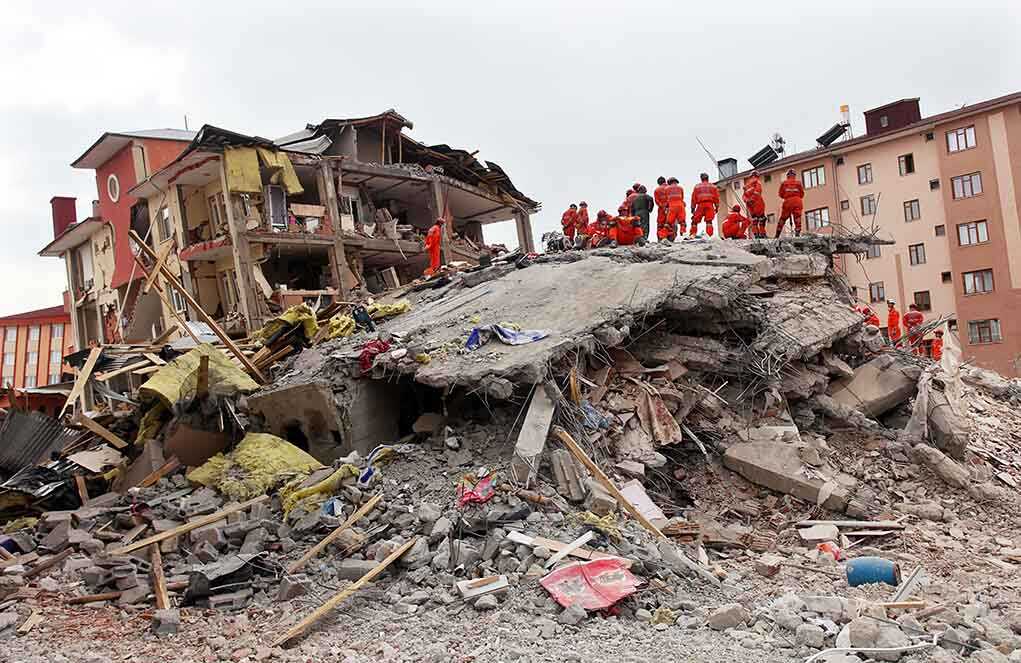
Local teams and soldiers in Nepal pulled a woman alive from a destroyed home roughly 10 days after the deadly floods. Crews airlifted survivors to an army camp in Nuwakot for treatment and shelter, as helicopters and ground teams worked through landslides and broken roads. Searchers said the scene across the valley looked like ruins, but they kept digging. This rescue offered hope to families still waiting for news. Officials stressed that every hour mattered for people still trapped.
Reporters tracked many rescues across nearby towns at the same time. That created confusion about exact names, ages, and locations in early stories. But the core facts were clear: a woman survived in a buried structure for about 10 days and was flown out with others toward safety. Footage and on-the-ground accounts showed a massive push by Nepal’s army and police. Crews moved fast to clear debris, reach pockets of life, and evacuate the wounded.
Wider Disaster Toll And Ongoing Search
Nepal’s wider disaster zone stretched from hard-hit valleys to hydropower sites and tunnels. Officials restarted search flights and ground sweeps when weather allowed. They reported thousands missing and warned that many bodies were hard to identify because of damage and time in the elements. Rescue leaders focused on finding survivors first, while also collecting DNA from the deceased to help families match remains later. Aid groups moved food, water, and medical supplies where roads were passable.
Rescue teams reached remote pockets as communications slowly improved. Reuters and other outlets described scenes where entire blocks vanished under mud, rock, and timber. Evacuations sent survivors to hospitals in Kathmandu and to staging points in Nuwakot. Helicopters ferried people out when bridges failed, and engineers tried to reopen key roads. Authorities balanced hope with realism as hours turned into days. The survival of the rescued woman showed why crews refused to quit.
Why This Matters To Us At Home
American readers watched a simple truth play out: when crisis hits, strong local control, fast logistics, and clear chains of command save lives. Nepal’s rescue of a woman after 10 days came from discipline, not hashtags. It came from soldiers, medics, and neighbors who pushed through risk to do the job. That lesson tracks with our values. We believe in preparedness, not posturing; action, not empty talk; and protecting families when minutes count.
🇳🇵 ✅ **𝗪𝗢𝗠𝗔𝗡 𝗥𝗘𝗦𝗖𝗨𝗘𝗗 𝗔𝗟𝗜𝗩𝗘 𝗢𝗡 𝗗𝗔𝗬 𝟭𝟭 𝗔𝗙𝗧𝗘𝗥 𝗡𝗘𝗣𝗔𝗟 𝗙𝗟𝗢𝗢𝗗
✅ Chandrika Shrestha, 64, was found unconscious on the fourth floor of her flood-buried home in Betrawati, Nuwakot, 11 days after the catastrophic Bhotekoshi flood swept through the… pic.twitter.com/IcJxyu8twU
— 🇺🇦 Vortex Report (@VortexReportX) September 5, 2026
Disasters abroad also test global supply lines and energy projects that touch our markets. When floods knock out power sites and roads, costs ripple. That is why America needs resilient infrastructure, responsible budgets, and secure borders to handle shocks without chaos at home. President Trump’s team focuses on readiness and rapid response, while avoiding the bloated spending and red tape that slow help. The Nepal rescue is a reminder: competence and courage save lives, not slogans.
Sources:
bbc.com, prameyanews.com, timesofisrael.com