

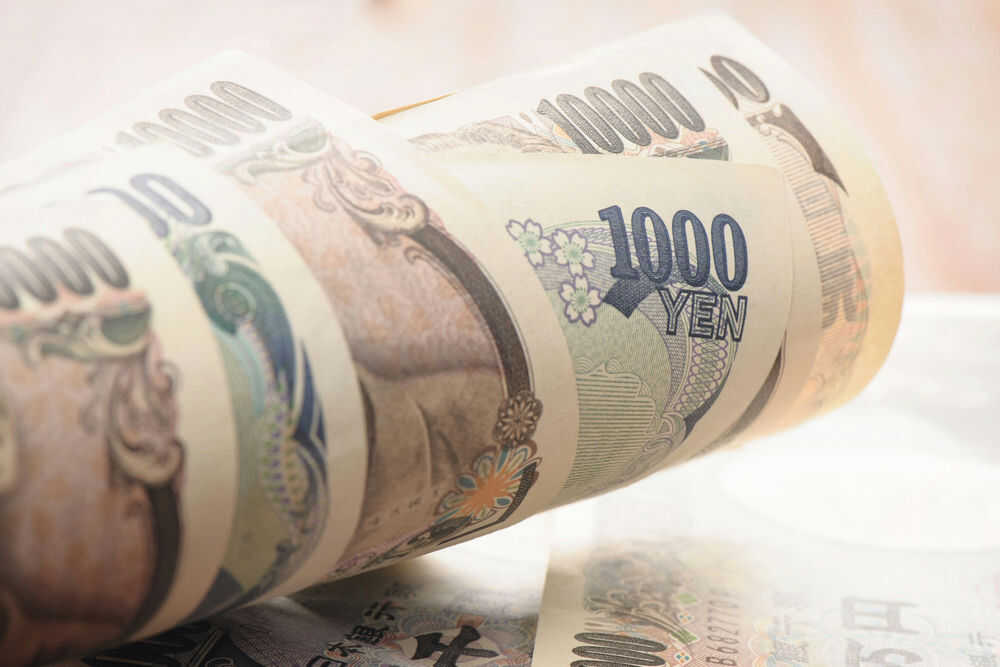
Japan’s yen is collapsing even after rate hikes and record interventions, exposing how years of big-government spending and distorted markets can blow up a currency and threaten American retirees’ savings.
Story Snapshot
- Japan’s weak yen is driven by wide interest rate gaps and deep structural problems, not just “market noise.”
- Tokyo has hiked rates and burned tens of billions defending the yen, yet the currency keeps sliding toward 160 per dollar.
- Heavy government debt and bond-buying limit real tightening, showing the danger of fiscal and monetary overreach.
- A sudden yen rebound could slam U.S. stocks and bonds, putting American retirement accounts at risk.
Why The Yen Is So Weak Despite Rate Hikes
Japan’s currency has sunk to its lowest real level in more than fifty years, even though the Bank of Japan has moved interest rates up from negative territory and toward one percent. Market experts say the main driver is still the wide gap between U.S. and Japanese interest rates, which makes it attractive to borrow in cheap yen and buy higher-yielding dollar assets. This “carry trade” pressure keeps traders selling yen day after day as long as the yield gap stays large.[1][3]
Analysts at Goldman Sachs expect the yen to stay weak, around 150 or more per dollar, because the U.S. Federal Reserve has kept rates high and delayed cuts while Japan still hikes very slowly. When Washington pays savers five percent and Tokyo pays about one, global money naturally flows into the dollar and out of the yen. That basic math undercuts Japan’s currency, no matter how often officials talk about “stability” or “gradual tightening.”[9]
Debt, Bond Caps, And The Trap Of Big Government
Deeper research points to a more troubling cause: Japan’s huge government debt has forced its central bank to cap long-term bond yields, even when other countries let yields rise with inflation. Brookings Institution economists warn that this bond-yield cap shifts the strain from the bond market into the currency market, so the weak yen becomes the release valve for unsustainable public finances. When the Bank of Japan keeps buying bonds to hold down yields, it effectively fights against its own government’s efforts to prop up the yen.[8]
Japan’s Ministry of Finance has already intervened many times, selling dollars and buying yen to slow the slide. But those actions barely move the needle because the central bank’s bond-buying and yield control work in the opposite direction, weakening the yen again. This tug-of-war between the finance ministry and the Bank of Japan is a warning for Americans: when government runs up debt and leans on the central bank to keep borrowing cheap, you lose the discipline of real markets and end up attacking your own currency.[12]
Structural Pressures: Demographics, Energy, And Policy Drift
Japan also faces long-running structural problems that make a weak currency more likely. East Asia Forum notes that the yen’s “new normal” reflects cost-push inflation from higher import prices, an aging population, and cautious policy that stays behind the curve. Japan imports most of its energy and much of its food, so a falling yen quickly hits families and small businesses with higher costs. That squeeze looks a lot like the inflation pain Americans felt after years of overspending and green-energy fantasies at home.[15]
Other economists point to lagging productivity and policy changes that sought higher inflation, like the two percent target championed under former Prime Minister Shinzo Abe. When a country pushes easy money and stimulus but lets competitiveness slip, its currency often takes the hit over time. The International Monetary Fund even argues that a weaker yen helps Japan because export gains can outweigh higher import costs, showing how global institutions can downplay the real pain for households when the policy fits their inflation-friendly agenda.[10][13][14]
What Japan Can Do – And Why It Matters To Americans
Japan has only three real options to strengthen the yen: raise interest rates faster, cut back on bond-buying and debt, or reduce big-government distortions that scare away investment. Foreign exchange intervention – selling dollars and buying yen – can slow the fall but usually cannot change the overall path of the currency unless policy behind it also changes. Analysts warn that without a clear move toward tighter money and smaller deficits, the yen will likely stay weak and volatile for months or years.[1][8][9]
The Japanese yen has fallen to its weakest level against the US dollar since 1986.
Several forces are conspiring against the currency.
The biggest is the wide interest-rate gap between Japan and the US.
Japan has kept borrowing costs far below those in most major economies,… pic.twitter.com/zONPvl0Fpr
— Finimize (@finimize) June 30, 2026
For American conservatives, Japan’s situation is more than a distant headline. Reuters has already called the weak yen a “ticking time bomb” because a sharp rebound could trigger a violent unwind of the carry trade and hit U.S. bond and stock markets. That kind of shock would slam retirement accounts and savings here at home. Japan’s story shows what happens when politicians chase short-term growth with debt and central bank tricks instead of sound money, limited government, and real productivity. If we let Washington repeat that playbook, our own dollar – and our financial freedom – could be next.
Sources:
[1] Web – Why is the japanese yen so weak, and what can Japan do to strengthen …
[3] Web – [PDF] 1 June 16, 2026 Bank of Japan Change in the Guideline for Money …
[8] Web – Bank of Japan expected to raise rates this month, sources say
[9] Web – Bank of Japan Raises Policy Rate to 1.0% in June 2026 Meeting
[10] Web – Monetary Policy Meetings : 日本銀行 Bank of Japan
[12] Web – Bank of Japan Prepares to Hike Rates to 1.0%
[13] Web – Bank of Japan lifts policy rate to 31-yr high of 1.0% on heightened …
[14] Web – As of 16 June 2026, the policy interest rate set by the Bank of Japan …
[15] Web – BOJ to Hike Rates to 1% in June. Highest Rates in 30 Years Loom …