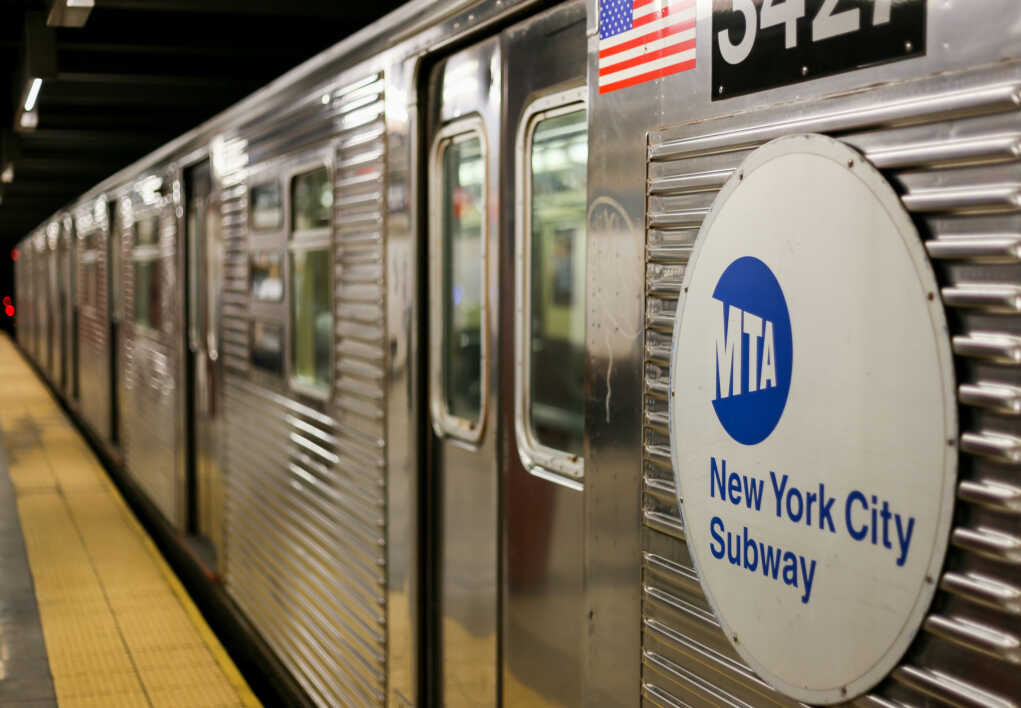
New York commuters are getting relief, but the Long Island Rail Road strike exposed how quickly political messaging can outrun the actual contract details.
Quick Take
- The strike ended after the Metropolitan Transportation Authority and five unions reached an agreement [1]
- Governor Kathy Hochul said service would resume Tuesday at noon, with limited operations first [1][2][3]
- The dispute centered on wages and health-care terms, not a vague protest [1][3][4]
- Officials said the deal protects riders and taxpayers, but the public record provided does not include the signed contract [1][3]
Strike Ends After Weekend Bargaining
The Long Island Rail Road strike ended after the Metropolitan Transportation Authority and five unions reached an agreement, ending a three-day shutdown that halted service for roughly 3,500 workers and disrupted hundreds of thousands of riders [1][2]. Governor Kathy Hochul said the deal would allow service to resume Tuesday at noon, with commuters urged to work from home if possible while transit crews restored operations [1][2][3].
The shutdown showed how fragile commuter rail becomes when labor talks break down. Reports said the strike suspended service across the system and forced riders onto shuttle buses and other backups, adding major time to trips between Long Island and New York City [1][2]. For families and workers who rely on predictable schedules, that kind of disruption is more than an inconvenience; it is a direct hit to daily life and to a regional economy already strained by high costs.
What the Dispute Was Really About
Reporters said the bargaining fight centered on wages and health-care terms, with the unions demanding a larger raise package than the Metropolitan Transportation Authority offered [1][3][4]. ABC7 New York’s reporting said the sides had been locked in a three-year dispute, and union representatives argued that late changes on health care were a nonstarter [1]. That matters because it shows the strike was about concrete contract terms, not simply a public relations battle over inconvenience.
Hochul said the agreement delivers raises for workers while protecting riders and taxpayers, and Fox Business reported that officials framed the settlement as a way to avoid fare or tax pressure [1][3]. That is the kind of claim taxpayers should always scrutinize carefully. The public reporting provided here does not include the signed agreement, a cost analysis, or the side letters that would show exactly what was traded away and what was preserved.
Why the Announcement Matters Beyond the Rails
The rapid shift from strike coverage to “service is back” coverage is a familiar media pattern, and it can crowd out scrutiny of the actual deal [1][2][3]. When government officials control most of the public messaging, they can define a settlement as “fair” before the details are publicly tested. Conservatives should be alert to that dynamic, because limited transparency often helps government and labor bureaucracies, not the people who pay the bills.
LIRR strike resolution announced: Gov. Kathy Hochul says the MTA and five LIRR unions reached a deal, with phased service set to resume tomorrow at noon.
The strike suspended Long Island Rail Road service for three days, disrupting hundreds of thousands of daily commuters,… pic.twitter.com/uu8z2agxoo
— kautious (@kautiousCo) May 19, 2026
The immediate relief for commuters is real, but so is the larger lesson: public transportation systems that depend on endless bargaining, political theater, and taxpayer backstops will always leave working families hostage to disruptions [1][2]. The strike’s end restores trains, but it also underscores how much leverage labor and transit officials can exert over ordinary people when the government fails to keep essential services stable and accountable.
Sources:
[1] Web – LIRR unions, MTA reach agreement to end 3-day strike, Gov. Hochul …
[2] YouTube – LIRR strike ends as MTA, unions reach deal on Day 3
[3] Web – Nation’s busiest commuter railroad to resume service after strike …
[4] YouTube – LIRR strike ends; unions speak