

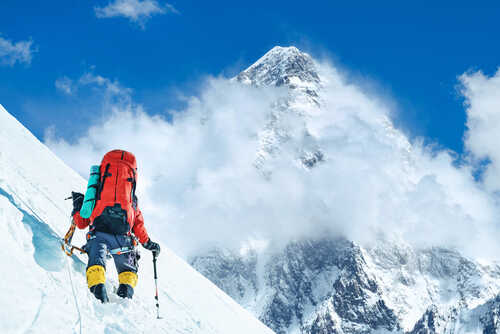
A sudden and severe blizzard on Mount Everest traps 1,000 hikers, highlighting the dangers of mass tourism and unpredictable weather.
Story Highlights
- Approximately 1,000 hikers were trapped by a sudden blizzard on Mount Everest.
- Rescue operations are underway, complicated by challenging weather conditions.
- The incident underscores the risks of overcrowding and extreme weather.
Massive Blizzard Strikes Mount Everest
A massive blizzard unexpectedly hit the slopes of Mount Everest, leaving approximately 1,000 hikers stranded across various tourist campsites. The extreme weather caught both trekkers and local authorities off guard, as the scale of trapped individuals is unprecedented in recent history. Rescue operations commenced swiftly, but the hazardous conditions pose significant challenges to reaching and assisting those in need.
The blizzard’s rapid onset and severity highlight the vulnerability of tourists to the unpredictable weather patterns prevalent in the Himalayan region. The Everest area is notorious for such sudden weather changes, especially during peak trekking seasons. Despite this, many trekkers, lured by the adventure and allure of Everest, continue to flock to the area, often underestimating the risks involved.
Watch: Mount Everest: Blizzard traps nearly 1,000 hikers on slopes
Rescue Efforts and Challenges
Rescue teams, including the Nepalese Army and police, are working tirelessly to reach the stranded hikers. The rescue operations, however, are hindered by the harsh weather conditions, which include heavy snowfall and poor visibility. Despite these obstacles, some hikers have been successfully reached and are in the process of being evacuated to safety. The effort involves coordination between local authorities and international rescue teams, underlining the global nature of the response.
As the operation continues, the Nepalese government faces both logistical and reputational challenges. The incident has drawn international attention, putting pressure on local authorities to manage the crisis effectively. The scale of the operation is significant, and the ability to safely evacuate such a large number of people from the mountain’s treacherous terrain will be a testament to their emergency response capabilities.
Implications for the Future
The immediate focus remains on ensuring the safety of the trapped hikers, but the incident is likely to prompt a broader review of trekking regulations and safety protocols in the region. The Nepalese government and tour operators may need to reassess their approaches to managing large tourist volumes during peak seasons. Additionally, this event could influence international perceptions of high-altitude trekking safety, potentially affecting tourism and associated local economies.
Experts have long warned of the dangers associated with overcrowding and unpredictable weather on Mount Everest. This latest incident may serve as a catalyst for change, encouraging more stringent measures to ensure the safety of adventurers drawn to the world’s highest peak. The balance between economic benefits and the safety of trekkers will remain a key discussion point in the aftermath of the blizzard.
Sources: