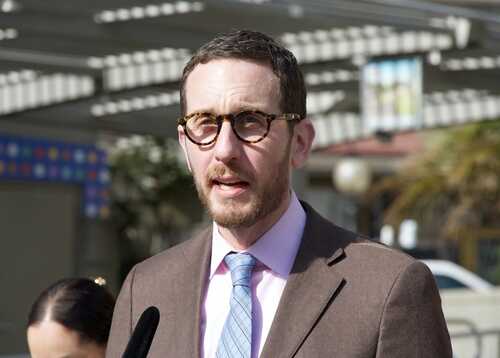
California’s fight against secret policing takes a bold leap with the introduction of the “No Secret Police Act,” raising both eyebrows and the stakes.
At a Glance
- California proposes a ban on law enforcement wearing masks, except for SWAT and health scenarios.
- Bill aims to combat fears of “secret police” and boost transparency and public trust.
- Critics claim the bill threatens officer safety and exceeds state jurisdiction over federal agents.
- Supporters argue for visible officer identification to foster community respect and trust.
The Proposal Unveiled
State Senator Scott Wiener and Berkeley Mayor Jesse Arreguin debuted the controversial “No Secret Police Act” (SB 627). This legislation proposes banning masks for most law enforcement, sparking debates around public safety, transparency, and constitutional rights. Advocates emphasize the need for accountability to prevent the chilling effects of anonymous policing seen, they argue, in secret police regimes worldwide.
Senator Wiener argues that masked officers foster mistrust and anxiety within communities. The proposal intends to mandate visible identification on police uniforms, reducing depersonalized and menacing encounters. Supporters highlight the importance of face-to-face accountability in fostering community trust and order.
Criticism and Safety Concerns
The legislation has not been without its critics. Homeland Security vehemently opposes the bill, citing dangers to officer safety and potential repercussions from revealing identities during sensitive operations. Fox News reporter Bill Melugin pointed out the jurisdictional overreach California potentially faces in seeking to regulate federal practices. The California Police Chief Association expresses concerns over balancing officer safety with transparency.
“Finding a balance between public transparency and trust, along with officer safety, is critical when we’re talking about creating state laws that change the rules for officers that are being placed into conflict situations. We have been in touch with Senator Wiener, who reached out ahead of the introduction of this bill, and we will engage in discussions with him and his office to share our concerns so that we ensure the safety of law enforcement first responders is a top priority.” – Jason Salazar, president of the California Police Chief Assn.
Critics argue that the risk of doxxing and enhanced targeting of officers—particularly those involved with controversial federal agencies like ICE—heightens the stakes. They warn about limited state influence over federal law enforcement operations, potentially leading to bureaucratic confrontations.
Motivations Behind the Bill
From community accounts of masked federal agents conducting immigration raids, the need for legislative action has been underscored. These operations, often shrouded in anonymity, have stirred fears and confusion. Proponents stress a move towards visible law enforcement interaction as critical to preventing such scenarios. The amendment to Senate Bill 627 represents a shift towards enhancing public confidence through transparency.
“We’re really at risk of having, effectively, secret police in this country.” – state Sen. Scott Wiener (D-San Francisco)
The burgeoning fear of militarized policing practices has driven SB 627’s supporters to fight for openness, urging that accountability is fundamental to democracy. As debate around this legislation intensifies, the conversation reflects deep-seated concerns about balancing civil liberties with law enforcement needs.