
Devastating wildfires in Chile have claimed at least 20 lives, razed entire towns, and exposed how human negligence turns natural conditions into deadly infernos.
Story Highlights
- Wildfires kill 19-20 people, injure 75, and force 50,600 evacuations in Chile’s Biobío and Ñuble regions since January 16, 2026.
- 325 homes destroyed, 1,140 damaged, over 6,000 at risk; coastal town of Lirquén largely wiped out.
- President Gabriel Boric declares a state of emergency, deploys 3,000 firefighters amid high winds, heat, and low humidity.
- Human causes dominate in 99% of cases, per Boric; police investigate origins as deadliest fires since 2024’s 130 deaths.
- International aid from Mexico, Argentina, Brazil arrives; toll expected to rise significantly with smoldering risks ongoing.
Timeline of the Crisis
Fires ignited on January 16, 2026, across Chile’s central-southern Biobío and Ñuble regions, where dense forests meet populated coastal areas like Lirquén and Penco. By January 18, 24 blazes burned 20,000 hectares, prompting President Gabriel Boric to declare a state of catastrophe. Nearly 3,000 firefighters deployed immediately. High temperatures, strong winds, and low humidity fueled rapid spread, destroying infrastructure and vehicles.
Government Response and Challenges
On January 19, Boric held a press conference announcing 19 confirmed deaths—18 in Biobío, 1 in Ñuble—and 50,000 evacuations. He warned the toll would rise significantly, citing tremendous difficulties from weather conditions. Military coordination activated under the emergency declaration. Police probe human origins, aligning with Boric’s statement that 99% of Chilean wildfires stem from human behavior rather than unavoidable forces.
The National Service for the Prevention of Disasters tracked 15-24 active fires by January 20, reporting 325 homes destroyed and 1,140 damaged. Over 6,000 more structures face threat in worst-hit zones. International partners including Mexico, Argentina, and Brazil sent firefighters and supplies, bolstering local efforts strained by hot embers and re-ignition risks.
Watch:
Human and Economic Toll
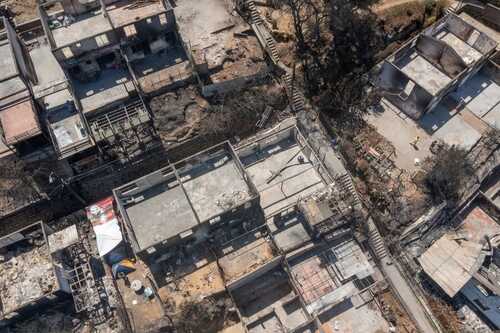
The death toll reached 20 by January 20, with 75 injured and 630 people in shelters. Families fled with only the clothes on their backs; coastal Lirquén saw total destruction, parts of Penco affected. Drone footage revealed body bags, burned vehicles, and leveled homes. Aid includes food, clothing, and vet clinics for scorched pets. Short-term homelessness hits 1,500; long-term rebuilding looms for razed towns.
Forestry and agriculture suffer from 20,000-30,000 hectares scorched. Tourism disrupts coastal areas. Social trauma mounts as locals refuse some evacuations, clinging to faith amid total loss. This marks Chile’s deadliest fires since 2024’s central coast blazes that killed 130, underscoring vulnerabilities at urban-forest interfaces and the perils of preventable human-started fires.
Lessons for Prevention
Recurring summer wildfires plague Chile due to dry conditions, but Boric emphasizes human actions as the dominant trigger. Unlike the 2010 earthquake’s 500+ deaths, these rapid blazes highlight failures in personal accountability and forest management. Al Jazeera’s Lucia Newman noted instant spread from forests to homes, with smoldering ground posing ongoing dangers. Better prevention demands confronting negligence head-on, not just reactive aid.
Sources:
Chile fights wildfires that killed 19 and left 1500 homeless | ClickOrlando
2026 Biobío wildfires | Wikipedia