After a lightning raid captured Nicolás Maduro, the Trump administration is signaling that Venezuela’s new rulers can cooperate—or face the same hard end.
Story Snapshot
- Secretary of State Marco Rubio is set to tell the Senate Foreign Relations Committee that the U.S. is prepared to use force if Venezuela’s acting government defies U.S. demands.
- The warning is aimed at Venezuela’s interim leader Delcy Rodriguez and is framed around Maduro’s recent capture in a U.S. operation in Caracas.
- U.S. goals include expanded access for U.S. companies in Venezuela’s energy sector and cooperation on anti-drug efforts.
- The State Department also signaled a diplomatic opening, including plans to reopen the U.S. embassy that has been shuttered since 2019.
Rubio’s Senate message: compliance backed by credible force
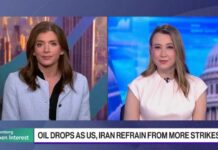
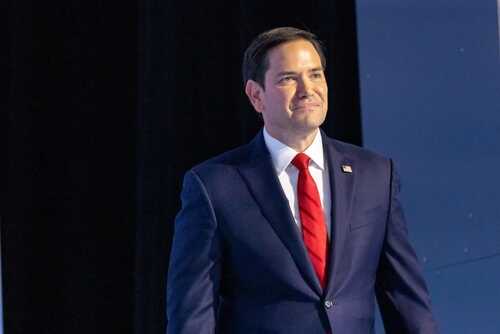
Marco Rubio’s prepared testimony for the Senate Foreign Relations Committee lays out a clear posture: Washington intends to keep pressure on Venezuela’s post-Maduro leadership while offering a path to normalized channels if Caracas aligns with U.S. objectives. Rubio is expected to argue the administration’s recent actions were “law enforcement operations,” not a war, while still warning that the U.S. is ready to use force to ensure “maximum cooperation.”
Delcy Rodriguez, now serving as Venezuela’s acting president, has publicly emphasized that her government has “respectful and courteous” lines of communication with the Trump administration and is building a “working agenda.” That combination—stern deterrence paired with an opening for talks—marks the administration’s stated attempt to shape outcomes without deploying ground troops or launching an open-ended occupation. The testimony is scheduled for January 28.
Watch:
The raid that changed the leverage: Maduro captured in Caracas
U.S. leverage in these talks is inseparable from the January 3 raid in Caracas that reportedly captured Nicolás Maduro and his wife, Cilia Flores, and removed him from power. Venezuelan accounts cited in coverage said the operation triggered heavy fighting and that more than 100 people were killed defending Maduro, though reporting varies on the exact toll. The U.S. sources highlighted the operation’s success without describing American casualties.
Rubio’s warning is blunt by design: he is expected to tell lawmakers that Rodriguez risks “the same fate” as Maduro if she defies U.S. demands. Supporters of a strong constitutional republic will naturally ask where deterrence ends and undeclared war begins. The reporting also shows Democrats pushing for a war powers resolution and raising constitutional concerns—an important reminder that major foreign actions still trigger separation-of-powers debates at home.
Anti-drug campaign at sea raises questions about proof and oversight
Another pillar of Rubio’s stated approach is intensified counter-narcotics enforcement. Coverage described U.S. strikes since September against drug-smuggling boats in the Caribbean and Pacific—36 strikes that reportedly killed at least 126 people. The same reporting notes lawsuits from families tied to these deaths, underscoring that lethal interdiction creates legal and moral scrutiny even when framed as anti-crime operations rather than warfare.
Secretary of State Marco #Rubio is expected to warn that oil-rich #Venezuela’s leader will suffer the fate of US-deposed predecessor Nicolas Maduro if she fails to comply with US wishes.https://t.co/69tMBxWaY7
— Al Arabiya English (@AlArabiya_Eng) January 28, 2026
Sources:
US-Venezuela: Rubio to warn of future military action if new leaders stray from US goals
Rubio to warn Venezuela leader of Maduro’s fate if defiant