

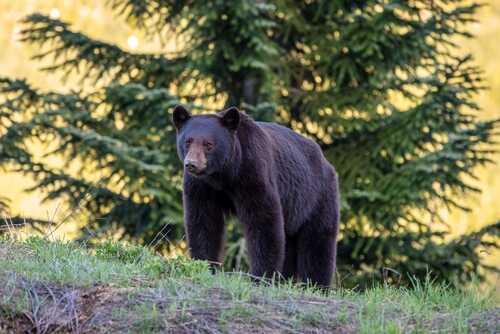
Florida’s first black bear hunt in a decade demonstrates how science-based wildlife management can successfully balance conservation with public safety.
Story Highlights
- 52 bears harvested during controlled 23-day season, well below historical quotas
- Over 160,000 hunters applied for limited permits, showing massive support for wildlife management
- Hunt generated conservation funding while reducing dangerous human-bear conflicts
- Strict regulations prevented 2015’s rapid overharvest through permit caps and selectivity measures
Science-Based Management Returns After Decade Hiatus
Florida Fish and Wildlife Conservation Commission concluded its first black bear hunting season since 2015, with hunters harvesting 52 bears across designated Bear Management Units from December 6-28. The carefully regulated season marked a return to active population management after rising human-bear conflicts throughout rural Florida communities. Unlike the problematic 2015 hunt that closed early after harvesting 295 bears in just two days, the 2025 season used fixed permit caps equal to harvest quotas to ensure sustainable take rates.
The commission implemented strict selectivity measures including feeding stations and trained hunting dogs to target larger male bears while avoiding females with cubs. This approach addresses legitimate conservation concerns while providing necessary population control in high-density areas where bears increasingly threaten property and public safety. The 23-day season allowed hunters proper selectivity rather than the rushed harvest that sparked controversy a decade ago.
Watch:
Overwhelming Hunter Interest Demonstrates Public Support
More than 160,000 hunters applied for approximately 187 available permits, paying $100 for residents and $300 for non-residents to participate in the controlled harvest. This massive response reflects both pent-up demand for hunting opportunities and widespread recognition that active management is necessary for healthy wildlife populations. The permit fees directly fund habitat conservation and wildlife management programs, creating a sustainable funding model that benefits all Florida wildlife.
The application process included rigorous phases from September through October, ensuring only qualified hunters received permits. Private landowners with properties exceeding 5,000 acres and containing at least 50% suitable bear habitat could enroll in the Bear Habitat Management Program, providing additional hunting access while supporting conservation goals. This partnership between FWC and private landowners exemplifies how voluntary cooperation achieves better outcomes than government mandates.
Hunters kill 52 black bears during Florida’s bear hunt, its first in a decadehttps://t.co/QgO0K7WU4x pic.twitter.com/xOdN6bm1v0
— The Washington Times (@WashTimes) December 31, 2025
Addressing Human-Bear Conflicts Through Active Management
Rising human-bear encounters throughout Florida’s rural communities drove the decision to resume hunting after years of ineffective alternatives. Property damage, dangerous encounters, and expanding bear populations in residential areas created safety concerns that passive management could not address. The targeted harvest in Bear Hunting Zones within high-density Bear Management Units reduces local populations while maintaining overall species stability through immigration from protected connectivity areas.
The controlled harvest demonstrates how responsible hunting serves both conservation and public safety objectives. By focusing on mature males in specific zones, the hunt minimizes impact on breeding populations while addressing conflict hotspots where bears pose greatest risks to communities. This targeted approach protects both human safety and long-term bear population health, proving that well-regulated hunting is an essential wildlife management tool.
Sources:
Florida Fish and Wildlife Conservation Commission – Bear Hunting Information
Backcountry Hunters & Anglers – Florida Black Bear Management: The Full Story
WUSF – More Than 160,000 Apply for Florida’s First Bear Hunt in a Decade