
As Trump considers air strikes on Venezuela, questions about legality and the true intentions of these military actions loom large.
Story Highlights
- U.S. military escalation in the Caribbean raises legal and strategic concerns.
- Potential air strikes on Venezuela could further destabilize the region.
- The Trump administration cites anti-drug operations, but regime change motives are suspected.
- Military experts warn of uncertain outcomes and escalation risks.
Escalation of U.S. Military Activity Near Venezuela
In August 2025, the Trump administration significantly increased its military presence in the Caribbean, deploying warships and F-35 jets near Venezuela. This move, officially directed at combating drug trafficking, has sparked international controversy and raised questions about the legality of potential air strikes targeting the Venezuelan government. The destruction of alleged Venezuelan drug boats by U.S. forces, which resulted in fatalities, has further fueled tensions between the two nations.
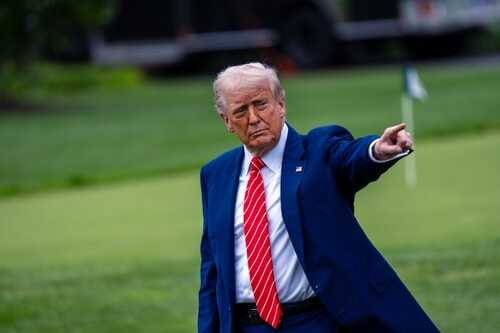
Amid these developments, President Trump has made public statements that leave room for speculation about the administration’s true intentions. While the official narrative focuses on counter-narcotics efforts, many analysts and experts suspect that the ultimate goal may be to weaken or even topple the regime of Venezuelan President Nicolás Maduro. Such actions could have far-reaching implications for regional stability and U.S. relations with Latin American countries.
Watch: Trump Mulls Air Strikes on Venezuela. Will He Pull the Trigger? | Firstpost PoV | N18G
Legal and Geopolitical Implications
The legality of potential U.S. air strikes inside Venezuela remains a contentious issue. Without explicit authorization from international bodies like the United Nations, such actions could be viewed as a violation of international law. Legal scholars and military experts have expressed concerns about the strategic wisdom of this approach, cautioning against the risks of escalation and unintended consequences. The Trump administration’s consideration of drone strikes against drug targets raises further questions about proportionality and the potential for civilian casualties.
In this context, the role of key stakeholders becomes critical. Secretary of State Marco Rubio, a known advocate for intervention in Venezuela, has influenced the administration’s policy direction. Meanwhile, Venezuelan President Maduro has warned of an “armed struggle” if the U.S. proceeds with military actions, highlighting the potential for a broader conflict.
Potential Consequences and Expert Perspectives
The immediate risks of military confrontation between the U.S. and Venezuela are significant. Any escalation could lead to increased regional instability, with potential spillover effects on neighboring countries. The possibility of retaliatory actions by Venezuela or allied groups cannot be ruled out, further complicating the geopolitical landscape. In the long term, U.S. military intervention in Latin America could set a precedent under the guise of anti-narcotics operations, straining diplomatic relations and contributing to political polarization in both the U.S. and Venezuela.
Military experts, such as those interviewed by Firstpost, have voiced skepticism about the effectiveness of air strikes in weakening Maduro’s grip on power. They emphasize the importance of considering alternative strategies that prioritize diplomacy and regional cooperation over unilateral military action.
Sources:
Wikipedia: Proposed United States invasion of Venezuela
NBC News: Trump administration weighs military strikes inside Venezuela