
A towering golden statue near the National Mall mocks President Trump’s Vietnam-era draft history, turning Veterans Day week into a political stunt aimed at conservatives’ values and patriotism.
Story Snapshot
- An artist installed “The Foot Soldier,” a satirical Trump statue, near the National Gallery of Art Sculpture Garden.
- Public records show Trump held four student deferments and later received a 1968 medical disqualification.
- Trump has said the medical basis was bone spurs, a claim critics highlight in the statue’s design.
- The official Selective Service ledger confirms disqualification but does not list the medical condition.
Satirical Statue Targets Trump’s Vietnam-Era Draft Record
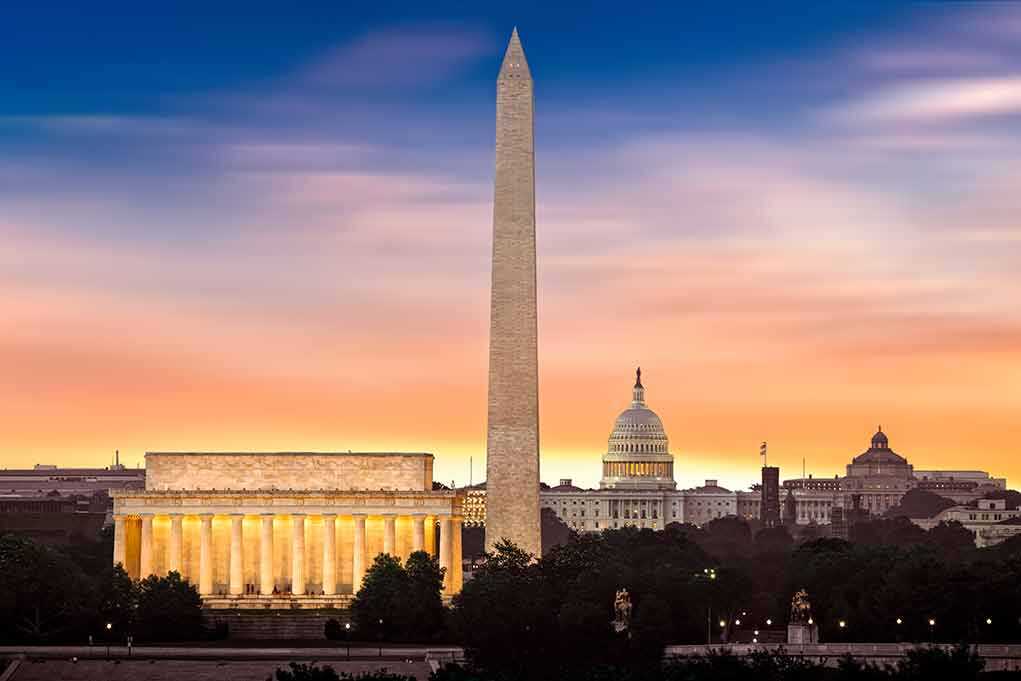
Organizers placed a larger-than-life golden statue, called “The Foot Soldier,” close to the National Gallery of Art Sculpture Garden in Washington, days before Veterans Day. Reporting describes President Trump seated and peering at the bottom of his right foot, a visual jab at the bone spurs explanation he has given for his medical deferment. The installation, framed as public art, clearly aims to provoke debate about service, patriotism, and fairness in the draft era.
Placement near national cultural grounds ensures high visibility, tourist traffic, and media coverage. The timing links the display to American veterans and their sacrifice. The artist’s message argues that Trump avoided service while others fought. The work uses spectacle rather than documents, but it lands because it echoes long-running press accounts about Trump’s deferments and later medical disqualification during the Vietnam draft period, subjects that still draw strong reactions across the country.
What The Records Actually Show About Trump’s Classifications
Press summaries of Selective Service files report that Trump received four student deferments while in college, which was common at the time. After graduation, a 1968 physical exam led to his medical disqualification and a 1-Y classification, which limited service to wartime or national emergency. Those records track dates and categories but do not identify the condition. That gap fuels critics’ narratives, even as the ledger itself documents the official result in black and white.
Trump has publicly said the disqualification was due to bone spurs in his heels, describing it as a minor foot condition. His comments years later helped fix the specific medical claim in public memory, inviting scrutiny and satire. The statue’s focus on the foot connects directly to those statements. While the surviving government note does not list the diagnosis, the established timeline of deferments followed by medical disqualification is well-documented in contemporary reporting on the Selective Service records.
A Familiar Vietnam Draft Story Meets Today’s Culture Clash
Vietnam-era deferments were widespread and shaped by education and class, making the draft a lightning rod for fairness debates that still echo today. Many men used lawful categories, from college study to hardship claims, to postpone or avoid service. Public art that shames one individual simplifies a complex system that Congress and draft boards built. The statue channels anger, but it also shows how culture warriors keep past fights alive to score present-day political points.
Conservatives can separate fact from theater here. The artwork is an opinion piece in metal and paint, not a new archive release. The official record confirms Trump’s 1968 disqualification after a physical; it does not list the medical reason. Trump has said bone spurs explained it. That is why the statue targets his foot. Readers who respect veterans can also recognize when cultural actors use Veterans Day settings to punch at a president they oppose, even without adding new factual proof.
Why This Matters For Today’s Voters And Families
Washington’s culture industry often uses national spaces to advance messages that divide Americans by design. Families who teach their kids to honor service see a statue that sneers more than it teaches. Veterans Day should unite the country around duty and sacrifice, not mock half the nation. Citizens deserve clear records and honest debate, not performance pieces that blur facts with scorn. That standard protects free speech while upholding respect for those who wore the uniform.
Trump's foot soldier statue sparks attention
Satirical art installation takes a dig at Trump's military record
Golden Trump statue mocks his Vietnam War draft deferment@BislaDiksha has more pic.twitter.com/mg7RMkJwR4
— WION (@WIONews) November 10, 2026
Leadership today faces real threats: border chaos, high prices, and global tension. Those issues warrant focus and solutions, not distractions that recycle old fights as art. Voters can acknowledge the documented deferment history and still reject attempts to weaponize memory against a sitting president. The oath our troops take points to the Constitution. So should we—by insisting on truth, proportion, and respect when we speak about service and those who serve.
Sources:
seattletimes.com, courant.com, syracuse.com