Saudi Crown Prince Mohammed bin Salman’s return to the White House signals a dramatic reversal of the Biden-era “pariah” policy.
Story Snapshot
- Crown Prince Mohammed bin Salman visits the White House after Biden’s attempts to isolate Saudi Arabia.
- The Trump administration’s foreign policy prioritizes American interests over globalist agendas.
- Renewed US-Saudi ties challenge prior leftist narratives and restore strategic energy partnerships.
- Constitutional concerns resurface as foreign powers regain access to top US leadership.
Crown Prince’s White House Visit Marks Policy Reversal
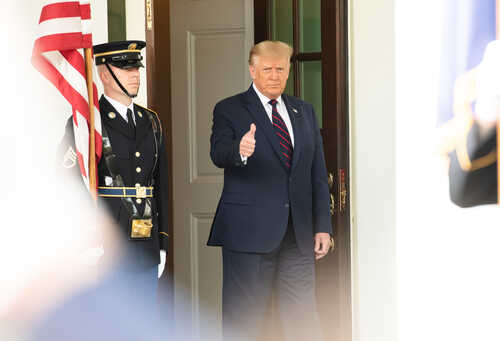
Crown Prince Mohammed bin Salman, the chief executive of Saudi Arabia, arrived at the White House Tuesday, ending a period of strained relations imposed by the previous administration’s “pariah” campaign. This approach left critical gaps in America’s strategic energy partnerships and emboldened adversaries in the region. Trump’s decision to welcome the Crown Prince not only restores diplomatic ties but also signals a clear rejection of past ‘leftist’ globalist policies.
WATCH: Saudi Crown Prince Mohammed bin Salman Announces Major Plans During White House Visit | AC1E
Trump’s America-First Foreign Policy Restores Key Alliances
President Trump’s renewed engagement with Saudi Arabia aligns with his administration’s America-first doctrine, prioritizing national security and economic stability. By embracing strategic partnerships with Saudi Arabia, Trump counters the narrative that foreign relations must be dictated by progressive social agendas. Instead, the focus is shifted back to defending American jobs, energy prices, and constitutional sovereignty. This shift appeals to conservative values, emphasizing that effective leadership requires strength and pragmatism over virtue signaling.
Energy Security and Economic Implications
Reinvigorating the US-Saudi relationship is expected to have significant effects on energy markets and inflation, issues that have frustrated American families since the previous administration’s fiscal mismanagement. During the Biden years, rising fuel costs and supply chain disruptions were exacerbated by diplomatic hostilities with Saudi Arabia. Trump’s outreach promises increased stability in oil production and lower prices at the pump, relieving economic pressure on working Americans.
Constitutional and National Security Concerns
While the restoration of diplomatic ties offers clear strategic benefits, it also raises questions about the influence of foreign powers on American decision-making. The renewed partnership must be carefully managed to ensure that American values—including constitutional protections and national security—are not compromised for short-term gains. Vigilance remains essential as the Trump administration balances diplomatic engagement with the imperative to defend traditional principles and the rule of law.
Restoring Conservative Principles in US Foreign Policy
The return of the Saudi Crown Prince to the White House is more than a symbolic gesture; it reflects a broader shift toward conservative governance rooted in constitutional fidelity and practical leadership. By reaffirming America’s commitment to strong alliances and economic security, the administration signals that the era of disregard for foundational values is over. The coming months will reveal how this renewed strategy shapes both domestic prosperity and global stability.