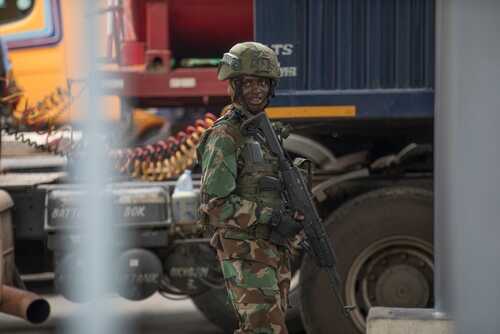
Rwanda has brazenly violated a Trump-brokered peace deal just days after signing it, as proxy rebels seized a strategic Congolese city.
Story Highlights
- M23 rebels backed by Rwanda captured Uvira city days after December 4 Washington Accords signing
- Trump administration publicly rebuked Rwanda for breaking U.S.-mediated peace agreement
- Strategic seizure threatens regional stability and undermines American diplomatic credibility
- Conflict disrupts critical mineral supplies needed for U.S. technology and defense sectors
Rwanda Betrays Fresh Peace Agreement
Rwanda-backed M23 rebels seized control of Uvira, a key city in eastern Democratic Republic of Congo, within days of signing the Washington Accords on December 4, 2025. President Trump had personally brokered the peace deal between Rwanda’s Paul Kagame and DRC’s Félix Tshisekedi. The swift violation demonstrates how quickly America’s adversaries will exploit diplomatic goodwill when it serves their strategic interests, leaving American credibility damaged in a resource-rich region.
Strategic Border City Falls to Proxy Forces
M23 fighters consolidated control over Uvira near the Burundi border by December 13, with aftermath footage showing destroyed military vehicles and artillery shells scattered throughout nearby Luvungi. The Tutsi-led rebel group, which the UN and Western intelligence agencies consistently link to Rwandan military support, effectively controls a critical border crossing. This seizure threatens regional stability as over 120 armed groups operate in eastern DRC, creating a powder keg that could explode into wider conflict.
Trump Administration Responds Firmly
U.S. officials publicly scolded Rwanda for breaking the Washington Accords, marking a significant diplomatic rebuke of a nation that receives substantial American foreign aid. The administration’s response reflects growing frustration with allies who exploit American diplomatic efforts while pursuing destabilizing proxy warfare. This pattern of post-agreement violations mirrors previous failed peace initiatives, including the collapsed 2022 Luanda Agreement, suggesting Rwanda operates with calculated disregard for international commitments when territorial gains are possible.
RM @RepGregoryMeeks: Since Trump hosted yet another signing of the DRC-Rwanda peace deal last week, the Rwanda-backed M23 militia seized the city of Uvira & displaced hundreds of thousands. If Trump truly wants to end the war he must push all parties to abide by the peace… pic.twitter.com/hnpd0LYfUX
— House Foreign Affairs Committee Dems (@HouseForeign) December 10, 2025
Economic and Security Implications Expand
The conflict disrupts mining operations for coltan and gold, critical minerals essential for American technology and defense industries. Eastern DRC’s instability already affects global supply chains, and renewed fighting threatens to worsen shortages that could impact U.S. manufacturing capabilities. The humanitarian crisis has displaced over 7 million people, creating refugee flows that strain neighboring countries and potentially require increased American humanitarian assistance, adding costs to taxpayers while benefiting no clear American interests.
Rwanda’s violation exposes the fundamental weakness of diplomatic solutions when dealing with nations that view agreements as temporary tactical advantages rather than binding commitments. The Trump administration faces pressure to respond decisively to preserve American diplomatic credibility while protecting strategic mineral access in an increasingly volatile region where Chinese influence continues expanding unchecked.
Watch:
Sources: