Expert warnings about volcanic hotspots reveal hidden threats that could pose catastrophic risks to global communities.
Story Highlights
- Experts identify volcanoes with the greatest catastrophic potential, distinguishing them from mere activity.
- Mount Merapi and Campi Flegrei pose immediate threats due to their proximity to major population centers.
- Increased volcanic activity in 2024-2025 underscores the need for enhanced monitoring and preparedness.
- Supervolcanoes like Campi Flegrei could have far-reaching impacts on climate and global systems.
- Communities near active volcanoes face ongoing evacuation and infrastructure challenges.
Volcanic Threats to Populated Areas
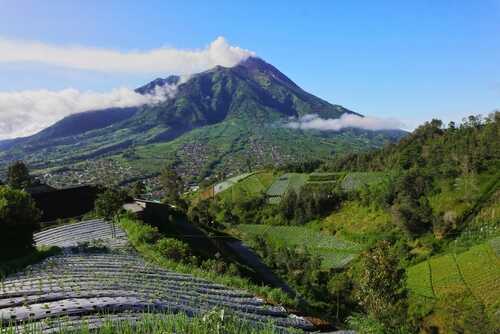
In 2025, experts warn of volcanoes that pose significant threats to nearby populations and global systems. Mount Merapi in Indonesia and Campi Flegrei in Italy are among the most dangerous due to their explosive potential and proximity to densely populated areas. These volcanoes, unlike Kīlauea, which is the most active, threaten with pyroclastic flows and potential super eruptions that could devastate local and global environments.
Volcanic activity in 2024-2025 has intensified, with Mount Lewotobi Laki Laki in Indonesia forcing thousands to evacuate due to recent eruptions. The Reykjanes Peninsula in Iceland, with seven eruptions in 2024 alone, highlights the unpredictability of volcanic zones, where dormant systems can suddenly become highly active. These developments stress the importance of ongoing monitoring and preparedness to mitigate risks.
The most dangerous volcanoes revealed as expert warns these hidden hotspots pose the greatest threats https://t.co/8pmQPo9KT8 pic.twitter.com/PGC9nLlA7N
— New York Post (@nypost) November 26, 2025
Monitoring and Preparedness Efforts
The Global Volcanism Program at the Smithsonian Institution is at the forefront of tracking and documenting active volcanoes worldwide. Real-time seismic activity tracking, gas emission analysis, and satellite surveillance provide crucial early warnings. However, gaps in monitoring, especially for underwater volcanoes and those in remote regions, remain a challenge. Partnerships between scientific communities and local governments are crucial to improving prediction and response capabilities.
International collaboration enhances the ability to predict eruptions and safeguard lives. Nonetheless, resource constraints in developing nations like Indonesia limit monitoring capacity, highlighting the need for support from wealthier nations with advanced technology. This global effort is essential for protecting communities and maintaining economic stability in volcanic regions heavily reliant on tourism and geothermal energy.
Watch:
Long-Term Implications for Global Systems
Volcanic eruptions have far-reaching impacts beyond immediate destruction. Large-scale eruptions can inject ash into the stratosphere, affecting global temperatures and precipitation patterns. The agricultural sector faces challenges with soil composition changes and reduced crop yields due to volcanic ash. These long-term effects emphasize the need for comprehensive strategies to address potential climate impacts and ensure food security.
Communities near volcanoes face ongoing threats of displacement and infrastructure damage. In regions like Hawaii and Vanuatu, tourism-dependent economies are disrupted by volcanic activity, necessitating economic restructuring. Understanding and mitigating these impacts are vital to safeguarding livelihoods and supporting communities in adapting to a changing landscape.
Sources:
Most Active Volcanoes in the World
6 Volcanoes That Could Shut Down the World
Most Dangerous Volcano in the World