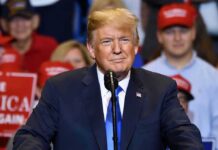

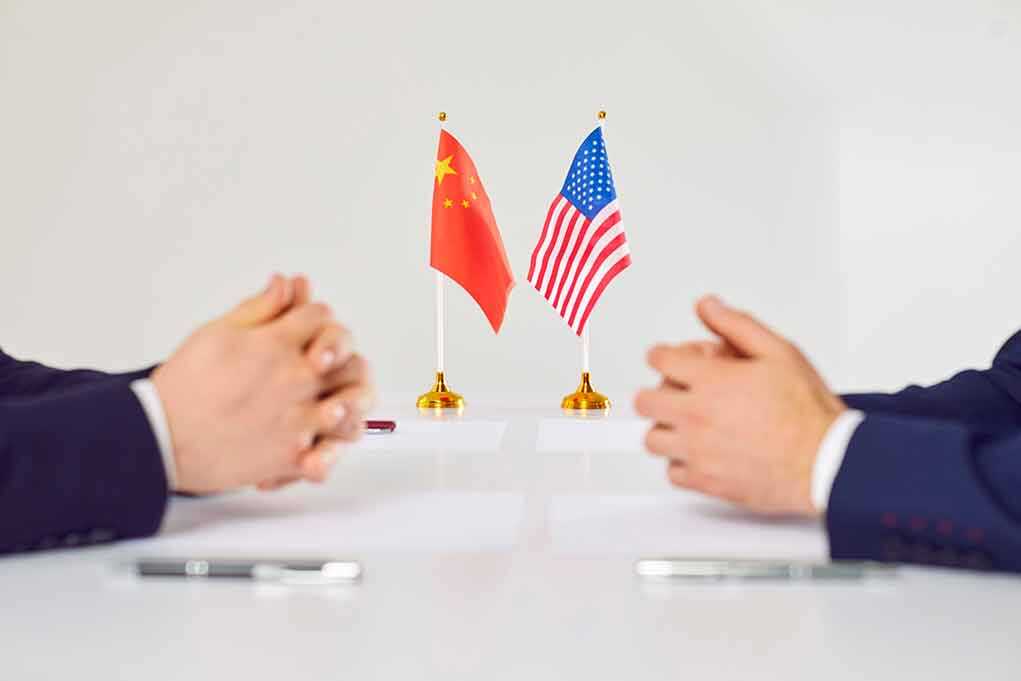
After months of tension and tariff fights, President Trump and China’s Xi agreed to pursue “strategic stability,” signaling a pause in escalation that protects American interests while keeping pressure on Beijing.
Story Highlights
- White House says Trump and Xi set a framework for “constructive” and “stable” ties built on fairness and reciprocity.
- Summit delivered calm and modest economic steps, avoiding a slide toward crisis while talks continue.
- Analysts call the result a “fragile truce,” but it still reduces risk and buys time for U.S. leverage to work.
- Next steps include September talks in the United States and decisions on Taiwan arms sales that will test this stability.
What Trump Secured and Why It Matters Now
White House officials said President Trump and China’s Xi agreed to build a “constructive relationship of strategic stability” on fair and reciprocal terms. That language matters. It sets rules for engagement and signals calmer waters after years of trade and security flare-ups. It also keeps the focus on U.S. jobs, farmers, and industry. The outcome lowers the risk of sudden shocks in markets or defense while the United States keeps tariffs and other tools in reserve to defend American workers.
Reuters reported the Beijing talks produced stability and a stalemate, with modest deals and no grand bargains. That may frustrate some, but a managed stalemate beats a rush toward crisis that would slam small businesses and family farms. Tamping down risk while holding firm on reciprocity keeps China on notice without giving up leverage. The White House framing aligns with this approach: keep talks open, keep pressure steady, and demand fair play for American producers.
How a “Fragile Truce” Still Serves U.S. Interests
Some analysts described the outcome as a “fragile truce,” not a full reset. That label is fair. The contest with China is structural and long-term. But a truce that reduces risk is not surrender. It is strategy. It gives the United States time to strengthen supply chains, onshore key manufacturing, and enforce trade rules. It also helps President Trump keep energy and transport costs from spiking, which would hit families and retirees. A cooler line with Beijing means steadier prices at home.
Experts at Brookings called the calm “uneasy,” with friction on trade and geopolitics still real. That caution should sharpen our focus, not dim it. Stability lets America set terms patiently. It also gives space to curb fentanyl precursor flows and target illegal dumping without spiraling into a panic that rewards China’s state planners. When the other side expects chaos, showing controlled strength can be disarming and effective. It also avoids the big-government overreach that often comes with emergency politics.
Testing Points Ahead: Taiwan, Trade Tools, and U.S. Leverage
Key tests are coming. Reporters said Trump discussed arms sales to Taiwan with Xi and expects to decide soon. That decision will show whether Beijing respects red lines without the United States blinking. At the same time, the administration’s tariff tools remain in place even as courts and agencies sort out details. The goal is simple: keep leverage high while avoiding sudden moves that spike costs for American families or hand Beijing a propaganda win.
Next, President Xi is set to visit the United States in September, with artificial intelligence and trade on the agenda. Those talks can lock in practical steps on enforcement and illicit chemical flows while keeping the pressure on fair access for U.S. goods. Skeptics argue that China’s core behavior has not shifted much. That is exactly why holding the line matters. A calm field keeps American industry in the game while we harden the economy against supply blackmail and political coercion.
Cutting Through the Spin: What Conservatives Should Watch
Look for three signals. First, enforcement. Are Chinese firms facing real checks on dumping and theft? Second, resilience. Are more critical parts and medicines made here at home? Third, deterrence. Do Taiwan and our allies see clear U.S. support without mixed signals? Reuters noted that, for now, Washington and Beijing remain in a competitive standoff. That is fine, so long as America sets the pace, keeps our energy supply strong, and reins in wasteful spending that weakens our hand abroad.
Bottom line: The summit did not solve the rivalry. It did something more useful in the near term. It lowered the chance of a sudden crisis while the United States keeps leverage and pursues concrete wins for workers and farmers. That is a conservative play: peace through strength, patience over pageantry, and accountability for a regime that has long gamed the system. Stay alert, demand fair trade, and back policies that rebuild American industry on our soil.
Sources:
theamericanconservative.com, reuters.com