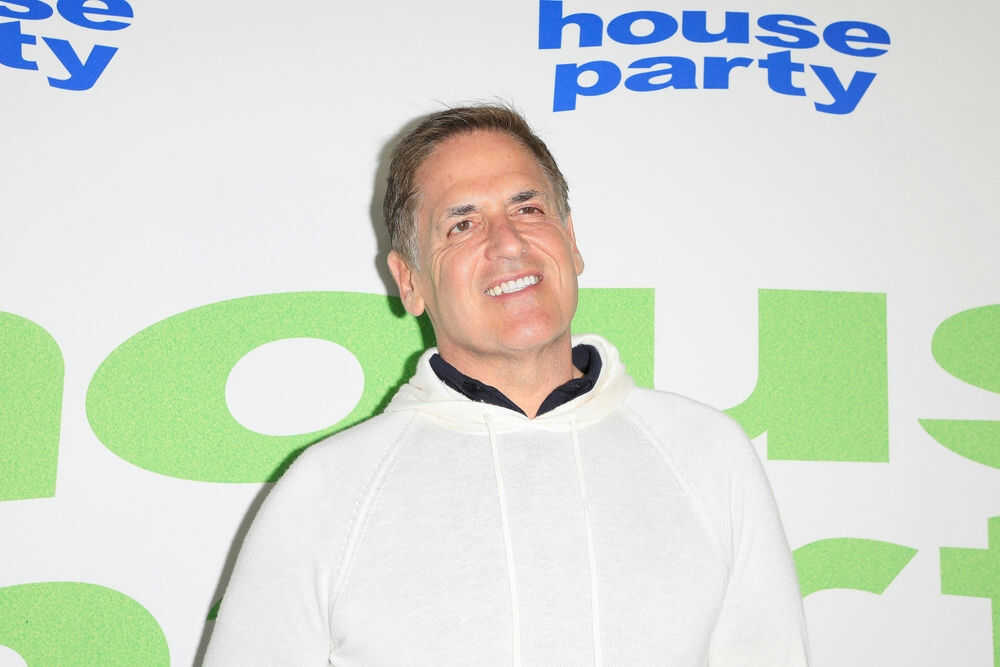
Billionaire Mark Cuban demands higher taxes on the ultra-wealthy but refuses to pay more himself, exposing elite hypocrisy that infuriates Americans on both sides of the aisle.
Story Highlights
- Mark Cuban, worth $5.5 billion, advocated tax hikes on CNBC but dodged voluntary extra payments, sparking a viral clip with 28 million views.
- High-profile retweets from Elon Musk, Ted Cruz, and Vivek Ramaswamy amplified accusations of “two-faced” progressive preaching.
- Cuban later donated $1 million to the IRS portal but critics note it doesn’t erase years of pushing policies he won’t personally fund.
- The incident fuels midterm debates, validating frustrations with elites who prioritize power over the working class’s American Dream.
Viral CNBC Exchange Ignites Outrage
On April 18, 2026, during CNBC’s Squawk Box, Mark Cuban pushed for progressive tax hikes on the ultra-wealthy to fund social programs. Host Becky Quick pressed him on using the IRS’s 2025 voluntary higher tax portal. Cuban deflected, saying he already pays his fair share and taxes belong to government decisions. A 45-second clip, paired with his past “tax the rich” tweets, posted by @EndWokeness, gained 15 million X views in 48 hours. This moment highlights how elites advocate burdens they evade, eroding trust in a system failing everyday Americans seeking success through hard work.
Elite Hypocrisy Resonates Across Political Lines
Cuban’s $288 million 2025 tax payment on his $5.5 billion fortune draws scrutiny amid his history of supporting wealth taxes, like Elizabeth Warren’s in 2019. Retweets from Elon Musk (“Classic”), Ted Cruz, and Vivek Ramaswamy propelled #CubanTaxes to trend. Even as Democrats revive hikes for incomes over $10 million during 2026 midterms, Cuban’s stance underscores shared bipartisan anger at deep state figures who lecture while protecting their wealth. Republicans leverage this for tax cut extensions, exposing double standards that block limited government and individual liberty.
Cuban’s Response and Political Fallout
By April 20, Cuban posted on X that context matters and voluntary portals miss the policy point. On April 22, he donated $1 million to the IRS portal, verified officially, claiming it proves his commitment. Fox News segments and a Bill Maher appearance followed, where he dismissed critics as MAGA trolls. A YouGov poll showed his independent approval drop 15 points. GOP ads in swing states now feature the clip, boosting fundraising by $2 million and slowing Democratic wealth tax momentum from 58% to 52% public support per Pew.
This backlash affects tech billionaires broadly, with working-class voters embracing the “elites vs. us” narrative. In Trump’s second term, with GOP congressional control, such incidents reinforce America First priorities against obstructionist fiscal mismanagement.
Broader Implications for Tax Policy and Trust
The IRS portal, launched under Biden’s Fair Share Initiative, saw only 1,247 users and $12 million collected in 2025, underscoring low elite buy-in. Experts like Forbes’ Danny Crichton call Cuban’s deflection standard virtue-signaling without legislative bite. Conservative Kevin Williamson argues high taxes stifle innovation, as Cuban’s empire demonstrates. Amid 3.2% GDP growth and record wealth gaps, this saga alerts conservatives to globalist overspending threats while nodding to left frustrations with untouchable elites, urging a return to founding principles of fairness and accountability.
Lefty billionaire’s two-faced response on paying more taxes goes viral Billionaire Tom Steyer was blasted for his comments on whether he should pay more taxes. https://t.co/GcBLbzq2PD pic.twitter.com/4D9imjh4dh
— UnfilteredAmerica (@NahBabyNahNah) April 25, 2026
Sources:
CNBC full interview transcript
Forbes article on 2026 Cuban taxes