

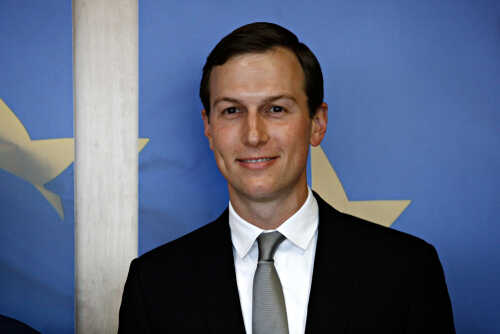
Jared Kushner’s ambitious plan to transform Gaza into a luxury coastal destination has sparked both intrigue and controversy at the World Economic Forum in Davos.
Story Highlights
- Kushner unveils a $25-70 billion plan to rebuild Gaza with skyscrapers and tourism zones.
- Plan hinges on security conditions and Hamas demilitarization.
- Trump endorses the plan as a “phenomenal” real estate opportunity.
- Critics question feasibility and potential displacement of residents.
Jared Kushner’s Vision for Gaza
On January 22, 2026, Jared Kushner unveiled a bold plan at the World Economic Forum to rebuild Gaza, aligning with President Trump’s vision for the Middle East. The plan aims to revitalize the war-torn region with skyscrapers, tourism zones, and modern infrastructure. The project’s cost is estimated between $25 billion and $70 billion, with funding from private investments. Key to this development is the demilitarization of Hamas and securing the region’s stability.
The plan, presented as a phased construction project starting in Rafah, promises rapid development similar to other Middle Eastern cities. Kushner emphasized the potential for economic growth and job creation, turning Gaza into a “Riviera of the Middle East.” However, the proposal has sparked debate over its feasibility and the displacement of current residents, many of whom are already living in precarious conditions.
Watch:
Challenges and Criticism
Despite the ambitious goals, several hurdles remain. Experts have raised concerns about the plan’s feasibility, pointing out that rebuilding Gaza could take decades, not the two to three years suggested by Kushner. The UN, EU, and World Bank have estimated reconstruction costs at $70 billion, highlighting the immense scale of the task ahead. Additionally, high-rise buildings near Israeli bases pose security threats, which critics argue have not been adequately addressed.
Furthermore, the plan’s reliance on Hamas’s demilitarization raises significant challenges. While Hamas has expressed willingness to ceasefire, the group’s resistance rights and the complexity of de-escalation efforts pose significant obstacles. The proposal has been met with skepticism from the international community, with critics questioning whether it prioritizes real estate over genuine peacemaking.
The Role of the Board of Peace
Central to the plan’s implementation is the newly formed Board of Peace, a Trump-backed initiative tasked with overseeing the region’s demilitarization and reconstruction efforts. The board aims to facilitate the handover of control to a reformed Palestinian Authority, although this move faces opposition from Israeli leadership. The Board of Peace’s effectiveness in executing such an ambitious project remains to be seen, as the geopolitical complexities of the region present significant challenges.
Despite these obstacles, Kushner and Trump remain optimistic about the plan’s potential to transform Gaza into a thriving economic zone. They argue that prosperity can pave the way for lasting peace, attracting investment and tourism to the region. However, the success of this endeavor will depend on overcoming deeply entrenched political and security issues that have long plagued Gaza.
Sources:
Jared Kushner unveils Gaza rebuilding plan at Davos
Kushner’s master plan for post-war Gaza