

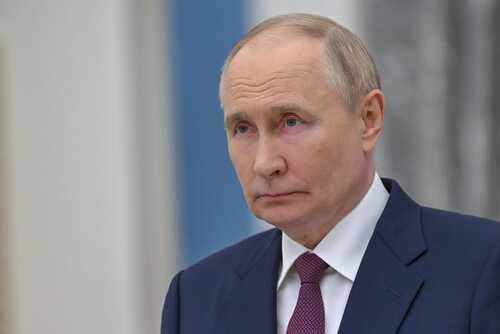
A new diplomatic maneuver by Russia aims to mediate between Israel and Iran, raising concerns about U.S. influence in the region.
Story Highlights
- Putin positions Russia as a mediator between Israel and Iran amid regional tensions.
- Russia’s involvement aims to de-escalate potential U.S. military actions against Iran.
- Israel and Iran respond to Putin’s outreach with a focus on diplomacy.
- This move could strengthen Russia’s influence in the Middle East significantly.
Russia’s Diplomatic Initiative
On January 16, 2026, Russian President Vladimir Putin engaged in significant diplomatic talks with Israeli Prime Minister Benjamin Netanyahu and Iranian President Masoud Pezeshkian. The Kremlin revealed this strategic outreach, aiming to mediate escalating tensions in the Middle East. These talks underscore Russia’s attempt to position itself as a neutral broker, potentially preventing U.S. military actions against Iran amidst regional unrest.
Russia’s involvement comes at a critical time, with Iran facing internal protests and international scrutiny. By offering mediation, Putin seeks to reinforce Russia’s strategic partnership with Iran while maintaining open communication with Israel. This move not only highlights Russia’s diplomatic ambitions but also raises questions about the shifting power dynamics in the region, traditionally dominated by U.S. influence.
Watch:
Impact on U.S. and Middle Eastern Relations
The Kremlin’s initiative could impact the U.S.’s role in the region, especially with President Trump’s administration weighing military options against Iran. Putin’s calls with Netanyahu and Pezeshkian emphasize diplomacy over conflict, potentially delaying any immediate military interventions. Israel, concerned about Iran’s military capabilities, may find Russia’s mediation an opportunity to stabilize the situation without escalating tensions further.
For Iran, engaging with Russia provides a diplomatic channel to counteract international pressure. This partnership could strengthen Iran’s position in the region, leveraging Russia’s support to navigate ongoing protests and international sanctions. The outcome of these talks remains uncertain, but the potential for de-escalation could benefit all parties involved, reducing the risk of conflict and promoting regional stability.
Long-Term Implications for Regional Stability
If successful, Russia’s mediation could establish the nation as a prominent peace broker in the Middle East, altering the geopolitical landscape. This development might encourage other countries to seek Russia’s diplomatic intervention in future conflicts, thereby increasing its influence and reducing U.S. dominance in the region.
However, skepticism remains regarding the effectiveness of Russia’s mediation, given the complex history and entrenched positions of the involved parties. The situation’s resolution will depend heavily on the willingness of Israel and Iran to engage in genuine dialogue, facilitated by Russia’s diplomatic efforts.
Sources: